
Last updated November 3, 2026
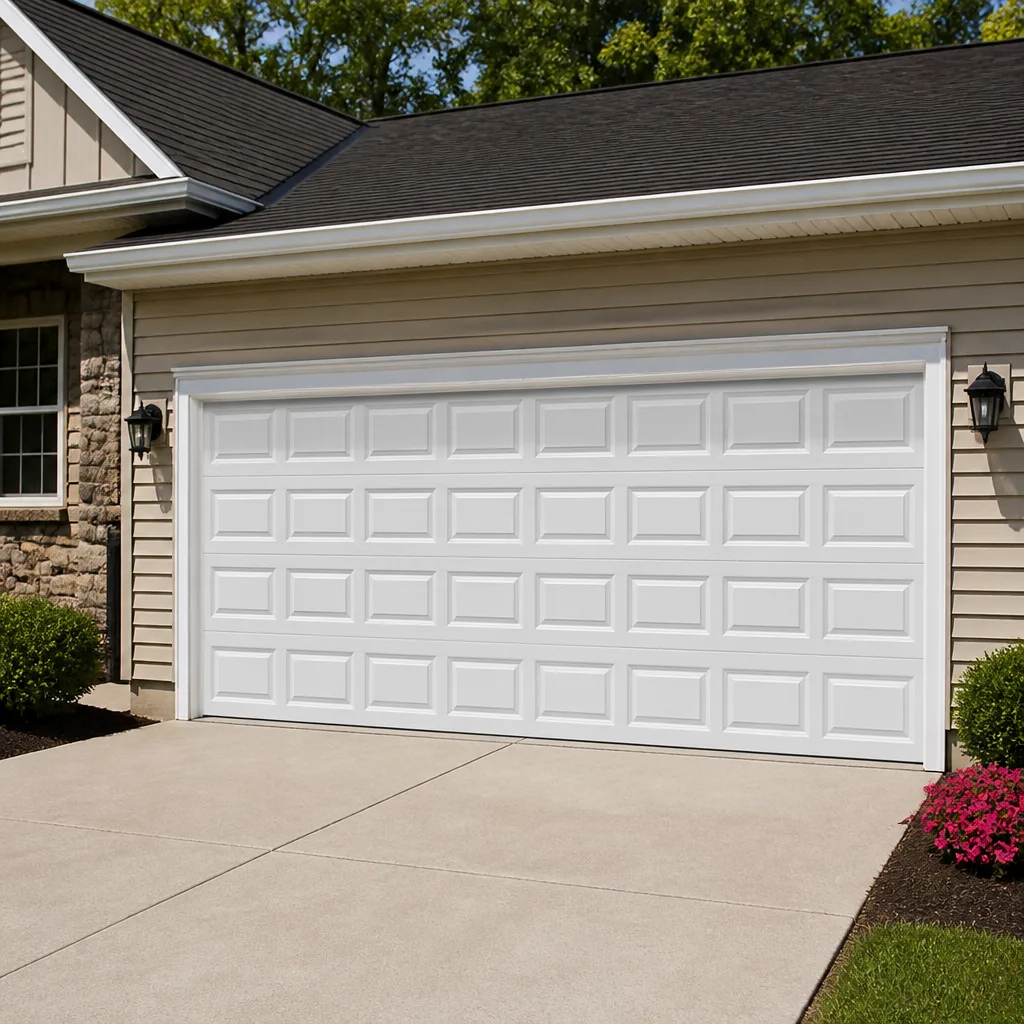 Raised-panel steel
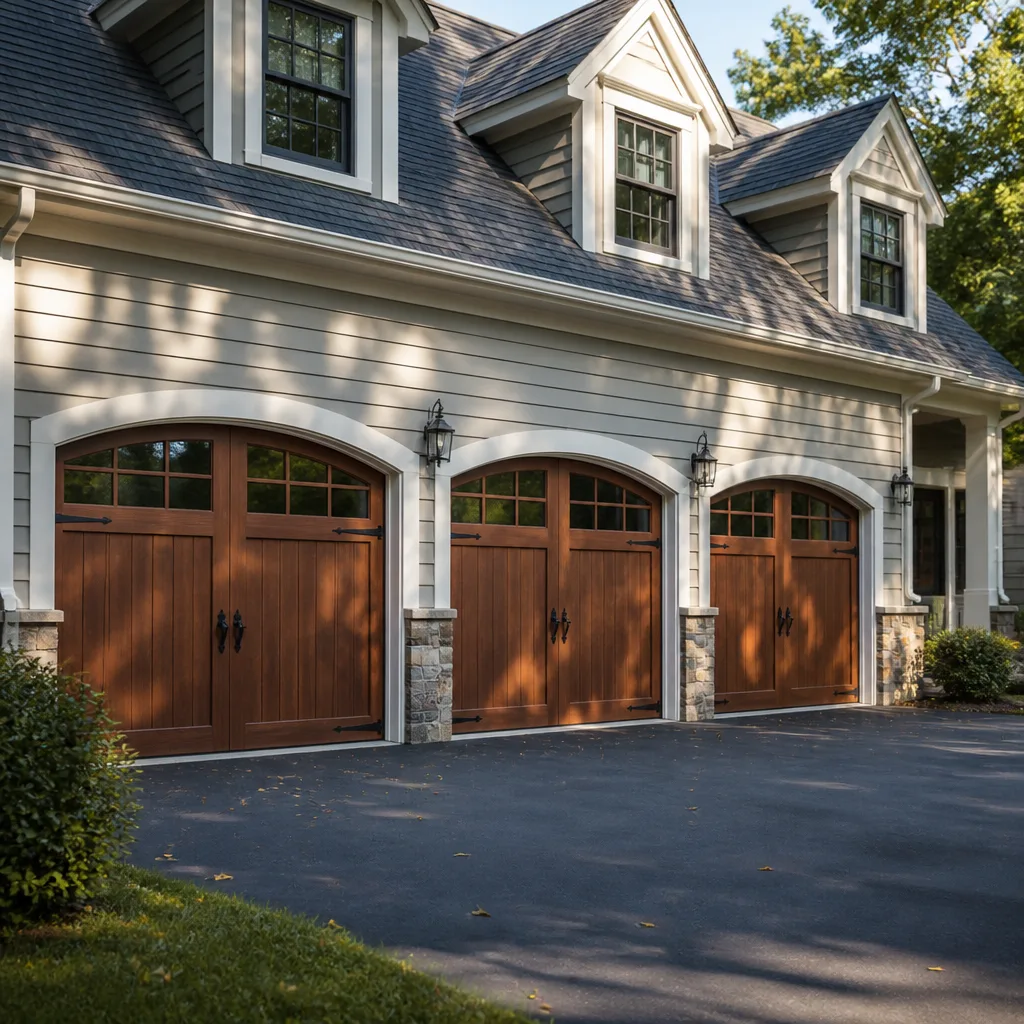 Carriage house
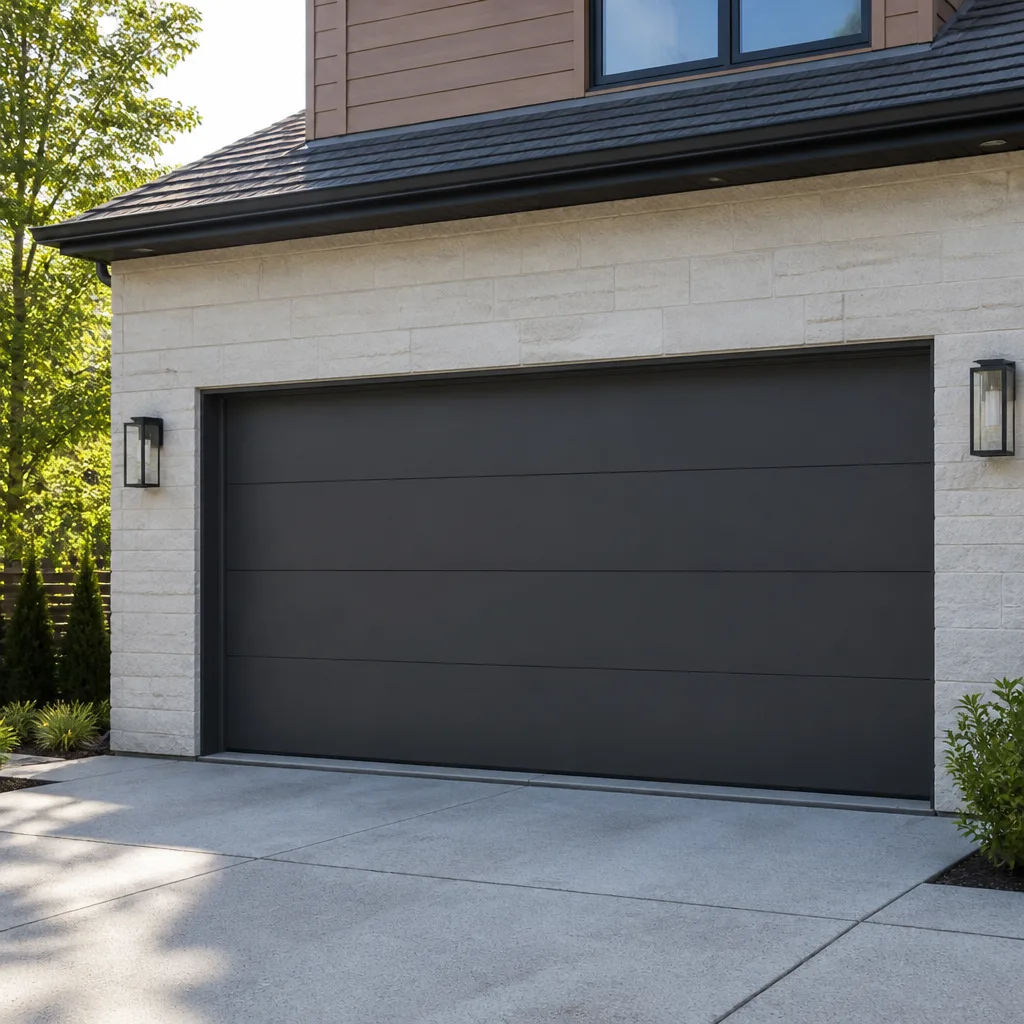 Modern flush
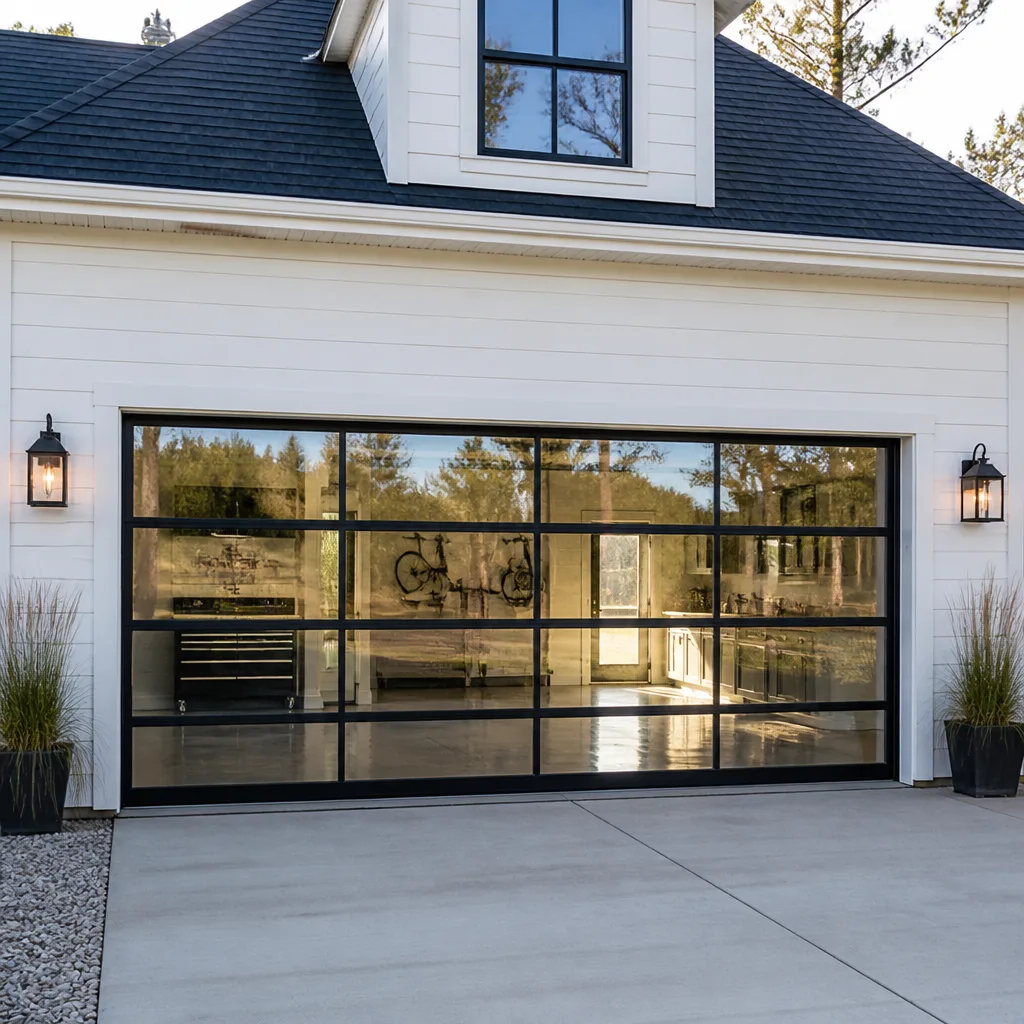 Full-view glass
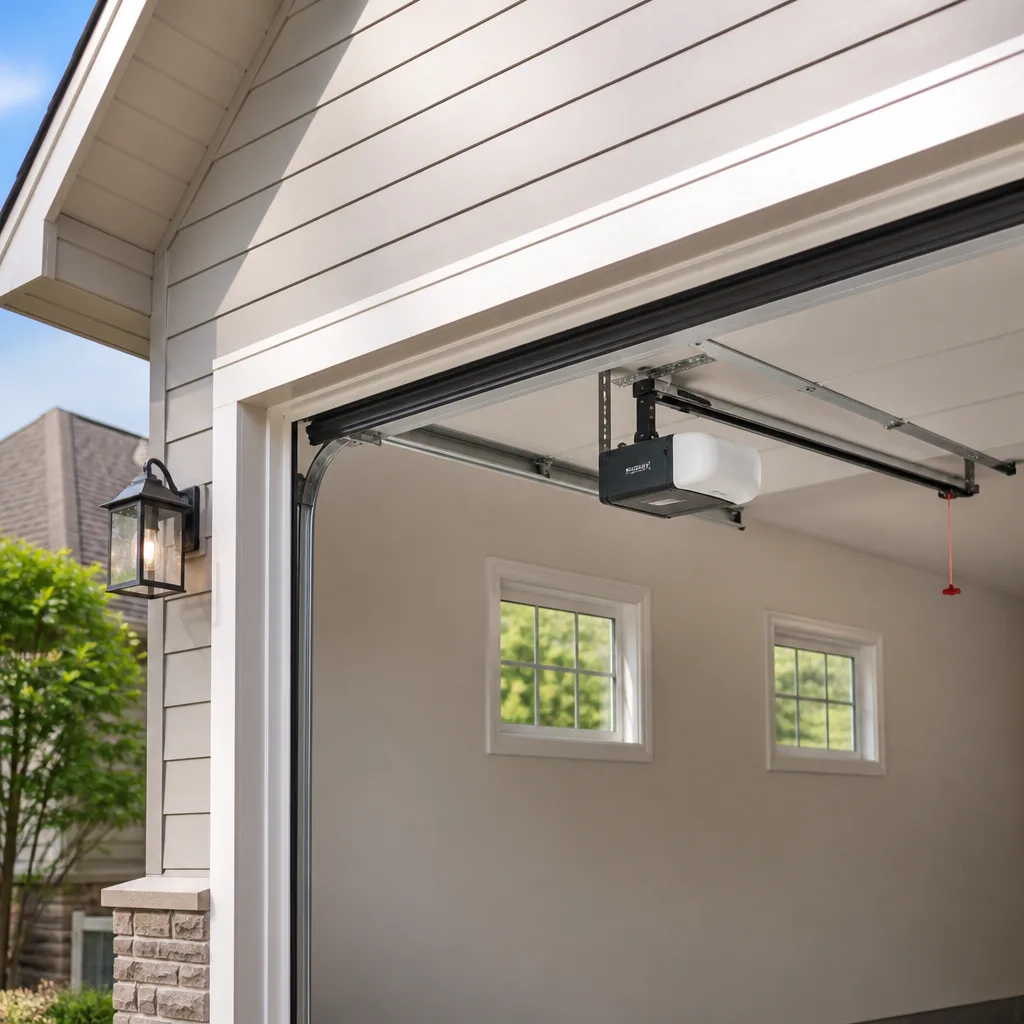 LiftMaster openers
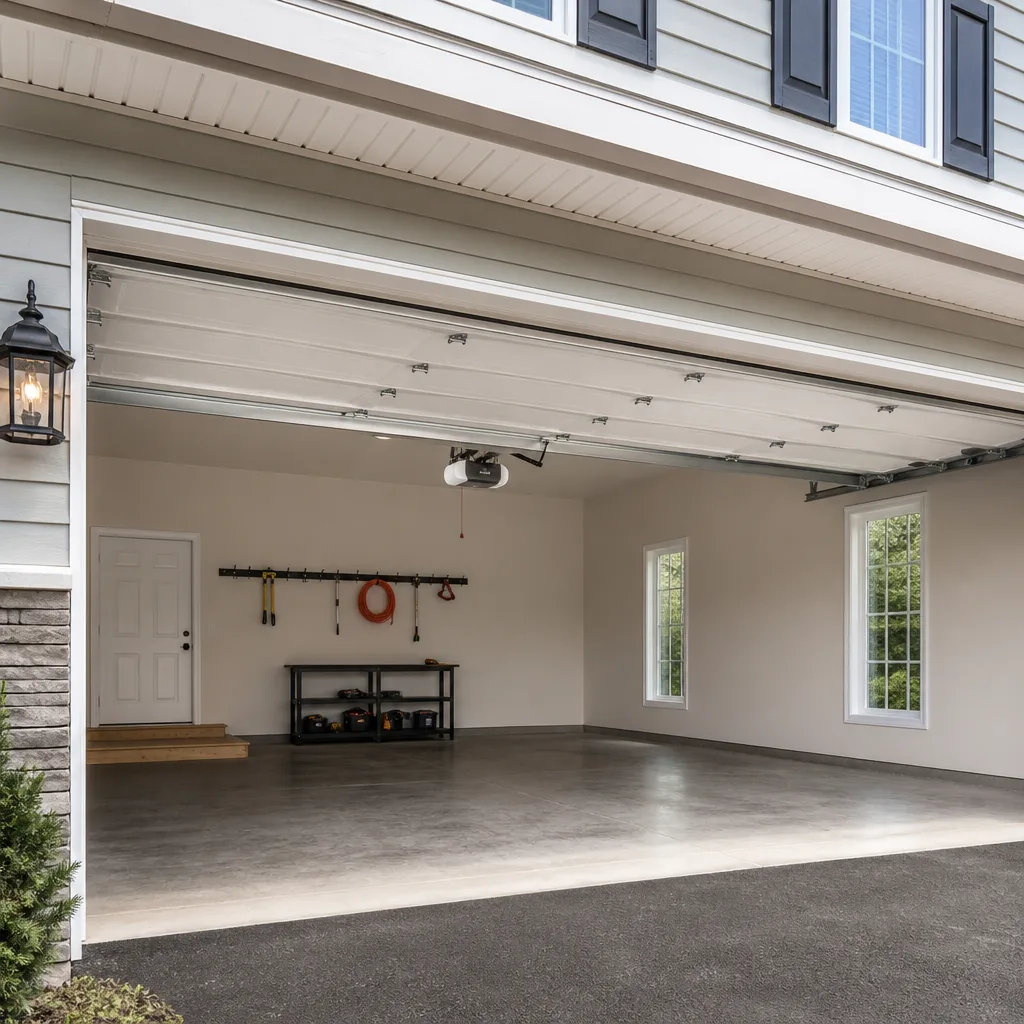 Chamberlain openers
Full 25-point door and opener safety check with every visit - springs, cables, rollers, tracks, and your LiftMaster or Chamberlain opener included
You get a price before we start. It does not change when the truck arrives.
Get your free estimateSeasonal Garage Door Care for Moreno Valley: Year-Round Homeowner’s Guide
Most garage door maintenance advice online reads like it was written for someone in Ohio. Four seasons. Snow melt. Freezing rain. That calendar means nothing in Moreno Valley. What actually kills garage doors here is a two-season stress cycle: brutal summer heat that bakes components from June through September, followed by Santa Ana wind events that slam doors from October into January. We’ve repaired doors in Sunnymead Ranch, Box Springs, and Hidden Springs that failed specifically because homeowners followed generic advice and missed what Moreno Valley’s climate actually does to a door. This guide replaces the four-season template with a two-cycle maintenance calendar built for where you actually live, and it tells you exactly what to check, when to check it, and what you can safely handle versus what needs a specialist’s hands. For more on garage doors in Moreno Valley, see our full overview.
Styles & brands we work with
- Raised-panel steel
- Carriage house
- Modern flush
- Full-view glass
- LiftMaster openers
- Chamberlain openers
Quick Answer
Moreno Valley garage doors need a two-service-per-year schedule, not quarter-specific care. Prepare your door in April or early May before sustained 100°F heat arrives, then do a second service pass in October before Santa Ana winds and winter rains hit. Those two windows cover inspection, tightening, lubrication, and seal checks, and they’ll prevent most failures we see in Moreno Valley year-round.
Table of Contents
- Moreno Valley’s Real Maintenance Calendar: Two Clocks, Not Four Seasons
- Pre-Summer Prep (April – May): What to Inspect Before the Heat Arrives
- Santa Ana Wind Readiness (October – November): Tightening, Seals, and Track Alignment
- Why Moreno Valley’s Mild Winters Are Ideal for Full Lubrication Service
- Spring Panel and Finish Inspection (February – March): UV and Wind Recovery
- What Seasonal Garage Door Service Costs in Moreno Valley
- Common Mistakes to Avoid
- When to Call a Professional
- Frequently Asked Questions
- The Bottom Line
Moreno Valley’s Real Maintenance Calendar: Two Clocks, Not Four Seasons
If you’ve ever wondered why your garage door behaves differently in August than it does in March, the answer is thermal expansion. Moreno Valley’s summer high temperatures routinely exceed 100°F, and your garage interior can run 15 to 20 degrees hotter than that. Steel expands. Nylon rollers soften. Grease in the opener’s internal gear thins and migrates. And those changes shift how the door balances on its springs. The same door that opens smoothly on a 70-degree March morning can strain and bind in July.
Then the Santa Anas arrive. A 40 mph gust hitting a 16-foot-wide door creates a pressure load of several hundred pounds against the panel face, the hinges, and the track. And that’s on the mild end of a Santa Ana event. Winds in Moreno Valley’s higher-elevation neighborhoods near Box Springs and the foothills can push harder. When you pair wind loading with components already stressed by summer heat, you get the failures we see most in the field: snapped cables, bent track sections, damaged bottom seals, and doors knocked off their plane. This is our actual seasonal reality, and it’s why the maintenance schedule below is built around heat and wind, not generic seasonal checkboxes.
The Two-Service-Year Model
- Service Pass #1: April – May. Pre-heat inspection. Focus on spring tension, opener motor ventilation, track hardware, and safety sensor alignment before temperatures climb.
- Service Pass #2: October – November. Pre-wind inspection. Focus on bottom seal integrity, cable condition, hinge tightness, and track alignment before Santa Ana season.
That’s it. Two targeted passes beat four generic ones every time in Moreno Valley. If you want to think of it as “pre-summer” and “pre-wind” instead of “spring” and “fall,” you’ll be closer to how the door actually wears here.
Pre-Summer Prep (April – May): What to Inspect Before the Heat Arrives
April in Moreno Valley is your window. Once May turns the corner into June, the sun angle sharpens and daytime highs start pressing into the 90s. By July and August, anyone working on your door is going to be working in a genuinely hostile environment, and the components themselves are under maximum stress. The prep you do in April and early May is the difference between a door that handles summer and a door that throws a cable in August.
Component-by-Component Pre-Heat Checklist
- Spring tension. Heat alone doesn’t change spring rate, but seasonal door use shifts it. If the door drifts down when disconnected from the opener, or the opener motor strains noticeably on the up-cycle in May, the springs need attention before they’re asked to lift a hot, expanded door in July. This is a professional adjustment item. Springs are under high tension.
- Opener motor ventilation. Your garage ceiling can reach 120°F in a Moreno Valley summer afternoon. Opener motors with clogged vents, or older units with marginal circuit boards, overheat and thermal-trip. Check that the motor housing isn’t buried in dust and that nothing blocks its vents. If the opener has ever stalled mid-cycle on a hot day, that’s the early warning sign.
- Track hardware torque. Heat expands the track brackets bolted to your garage framing. Loose bolts allow track flex, and track flex is how doors jump their rollers. Run a socket over the track brackets and door hinge bolts in May. Tighten anything that moves.
- Sensor alignment. Direct summer sun angles can blind older safety sensors, especially late afternoons. Test the sensor set in May, and if the door reverses for no visible reason during the hottest hours, the sun is likely the culprit. A small sensor hood or minor bracket adjustment usually fixes it.
- Bottom seal condition. Heat bakes the rubber bottom seal, and Moreno Valley’s dry air accelerates rubber cracking. A cracked seal lets hot air and dust pour into the garage all summer. Replace the seal in May if it has visible cracks or stiffened edges.
We can’t tell you how many August service calls in Moreno Valley trace back to a skipped May inspection. It’s the most productive hour you can spend on your door all year if you’re inclined to handle basic checks yourself, and if you’d rather have a pro handle it, the second service pass in our calendar is the right place to put that call.
Santa Ana Wind Readiness (October – November): Tightening, Seals, and Track Alignment
Santa Ana wind season is the other stress peak in Moreno Valley, and it’s arguably the more destructive one. These are high-gust, low-humidity events that can hammer a door for 24 to 48 straight hours. The damage is cumulative. A door that survives the first gusts with slightly loose hardware is more likely to fail on the second or third gust of the day as each impact works the hardware further out of tolerance.
What Wind Actually Does to a Garage Door
A sustained gust against a closed door pushes the panels inward. The panel load transfers through the hinges into the rollers, which push against the track. If the track brackets are loose, the track flexes outward under load, and the roller can pop free. Once one roller jumps, the whole panel section can rack and bind. Cables go slack. The door comes off its plane. This is the classic Santa Ana failure sequence, and a garage door repair call after a wind event in Moreno Valley almost always follows this pattern. Our complete garage door repair guide for Moreno Valley homeowners covers these failures in detail.
Pre-Wind Checklist for October
- Track bracket torque check. This is the most important wind-prep task. Every bracket that holds the vertical and horizontal track to the wall or ceiling gets checked and tightened. Six to eight pounds of torque is generally right for lag bolts in solid wood framing, but the specific spec varies by bracket.
- Bottom seal replacement. Wind-driven dust and airborne grit get pulled under the door during Santa Ana events. A damaged seal turns the gap into a dust tunnel. If the seal is cracked from summer heat, October is the replacement window, not December.
- Cable and cable pulley inspection. Look for any visible fraying, kinking, or rust at the cable ends where they attach to the bottom brackets. Wind accelerates cable wear by repeatedly loading and unloading the cable under tension.
- Hinge inspection. Wind load cycles through the door’s hinges. Loose hinge screws allow panel flex. Tighten them all, and inspect for cracks around the hinge stiles, especially on the top and bottom panels where load concentrates.
- Opener force setting test. If your opener’s force limits are set too high, a wind-stressed door is more likely to jam and strip a gear rather than reverse safely. The test takes 60 seconds: block the door with a roll of paper towels on the floor and close it. If the door crushes the roll without reversing, the force setting is too high, and the opener needs a professional recalibration.
Do this work in October. Santa Ana season starts in earnest in November and runs into January, sometimes February. You want the door ready before the first big event, not after it.
Why Moreno Valley’s Mild Winters Are Ideal for Full Lubrication Service
Here’s a counterintuitive piece of field experience: the best time for full garage door lubrication service in Moreno Valley is December through February. Most homeowners never do it then, because most homeowners learned garage door care from the four-season playbook, and that playbook says lubricate in the spring. But Moreno Valley winters are cool and dry, with daytime highs typically in the 60s and low 70s. The door isn’t fighting heat. The operators aren’t fighting heat. And the lack of extreme temperature swings means the lubrication has time to work into the hinge pins, roller bearings, and spring coils without being baked off or thinned out.
What Gets Lubricated, and Why It Matters Here Specifically
- Rollers. Nylon rollers last longer than steel, but their internal ball bearings still need a light synthetic lubricant. A dry bearing under summer heat is a premature roller failure waiting for August.
- Hinge pins. Dry hinges squeak and bind. Binding creates uneven panel load, and uneven load accelerates wear on the rollers and brackets.
- Springs. Torsion springs coil and uncoil with every cycle. Dry springs grind metal-on-metal and wear prematurely. A light spray lubricant along the coil face reduces friction and extends spring life.
- Opener rail and chain or screw. Every opener type from LiftMaster and Chamberlain belt systems to older screw-drive Genie units has a specific lubrication requirement. Most need only annual attention, and winter is the cleanest time to do it while interior temperatures are moderate.
We regularly hear from Moreno Valley homeowners who’ve lived with a loud, grinding door all summer and only call when the noise becomes unbearable. Lubricating in the cooler months keeps the door quieter in the hotter ones. It’s one of the simplest, cheapest things you can do, and the timing is a genuine Moreno Valley advantage that almost no one takes.
Spring Panel and Finish Inspection (February – March): UV and Wind Recovery
By February, the Santa Ana season is winding down and the winter rains we do get have had time to do whatever drainage and water-exposure damage they’re going to do. This is the moment for panel and finish inspection. It’s the one service in the year where appearance and structural condition get equal attention, because the panels have just come through back-to-back environmental assaults: UV exposure from a full summer, then wind-driven grit and rain during the wind season.
What to Look For in February
- Panel cracks and delamination. Steel panels don’t typically crack, but they do dent and warp under high wind load. Fiberglass and vinyl panels can crack along stile lines. Check each panel face in daylight for hairline cracks, especially around hinge mounting points.
- Paint fade and oxidation. Moreno Valley’s sun is unforgiving on dark finishes. February is the right time to touch up small chips and scratches before they become rust spots. A matching touch-up kit from Clopay or Amarr panels costs less than a respray and keeps the panel edge sealed.
- Lower panel water exposure. If irrigation runoff or winter rain pooled at the door base, the bottom panel is the one to inspect for bubbling paint or surface rust along the lower edge. This is the panel that fails first in any garage door system.
- Weatherstripping bead. The side and top weatherstripping take constant direct sunlight on the south and west exposures. Dry rot and brittleness show up in February. Replacement is a low-cost seal and weather preparation job.
- Window and decorative glass seals. If the door has inset windows, caulking failure lets moisture into the panel void. February inspection catches it before it becomes internal rust or fogging.
This is also the season to schedule any panel repair work you’ve been noticing. The weather is mild, the shop is less slammed than peak summer repair season, and you’ll have the door fully sorted before the next thermal stress cycle begins.
What Seasonal Garage Door Service Costs in Moreno Valley
Seasonal maintenance pricing in Moreno Valley depends on what the door needs and what you choose to handle yourself. We’ll give you honest ranges here. These are labors and materials, not bolt-on fees.
Typical Seasonal Service Costs
| Service | Typical Range in Moreno Valley |
|---|---|
| Tune-up service call (inspection, lubrication, tightening, sensor check) | $85 – $140 per visit |
| Bottom seal replacement (parts + labor) | $75 – $150 depending on door width and seal type |
| Spring adjustment (single-spring system) | $60 – $120 |
| Spring adjustment (torsion system, both springs) | $120 – $220 |
| Panel repair (dents, damage from wind or impact) | $180 – $400 per panel, more for matching finish work |
| Full diagnostic service call | $65 – $95 if no repair is needed |
Your price is quoted and agreed before any work starts. No exceptions. If a tech finds something during the service, they’ll show you, tell you what it costs to fix, and you decide. Repair work on garage doors in Moreno Valley follows the same rule every time.
We’ll also say clearly and without hedging: some of these services are genuinely dangerous to attempt yourself. Torsion springs are under enough tension to snap bones. Cables can whip. If the service involves any of the high-tension components, call a professional. It’s not a matter of effort level. It’s a matter of injury risk.
Common Mistakes to Avoid
- Following a four-season garage door calendar designed for the Midwest. Moreno Valley has heat and wind seasons, not winter and summer in the traditional sense. Lubricating in April and inspecting in October is the local logic, not a generic seasonal checklist.
- Ignoring the bottom seal until it falls off. A cracked or torn seal doesn’t just leak air. It lets wind-driven grit inside, accelerates rust on the bottom panel, and makes the garage a rattlesnake shelter in the summer.
- Oiling the torsion spring with WD-40. WD-40 is a water dispersant, not a spring lubricant. It breaks down the existing lubricant coat and leaves bare coils, which then grind and rust faster. Use a dedicated garage door spring lubricant, or call a pro who has the right stuff.
- Adjusting spring tension after a hot summer “because the door feels heavier.” Heat expansion changes how the door feels on the rails. If the door was balanced in March and suddenly feels heavy in August, the problem is often thermal, not a broken spring. Adjusting the springs without a load test can over-tension the system and wear the motor prematurely.
- Waiting to replace wind-bent track brackets until the door jumps the track. Bent brackets and loose hardware don’t fix themselves. Santa Ana season turns a slightly loose track into a catastrophic door failure within one or two wind events.
- Ignoring opener motor noise during the summer. A hot motor that’s whining, grinding in the gear head, or tripping its thermal cutoff is telling you it’s failing. Replace it before August if it’s showing these signs. In Moreno Valley, a dead opener in August is a garage that turns into an oven.
- DIYing the job without checking what the manual actually says for your brand. A Clopay door and a Wayne Dalton door can have entirely different roller, hinge, and lubrication specs. If you don’t know what you’re working on, a generic YouTube video can make the problem worse. We’ve seen homeowners lubricate a Genie screw-drive rail with garage door spray and then wonder why the carriage jammed.
When to Call a Professional
Call a professional when the issue involves spring tension, cable work, or any component under load. If the door hangs unevenly, if the opener strains, if you hear a snap, if the cable has loose wraps, if the track is visibly out of alignment, stop and call. These components are under enough tension to cause serious injury. A tech who works on these systems daily can diagnose in minutes what a homeowner might chase for weeks. If you’re in Moreno Valley and want an on-site assessment, Dynasty Garage Door Repair offers free estimates in Moreno Valley, call (866) 623-1879 and we’ll send a specialist who knows your exact brand. Need help deciding on a replacement? Read our guide on choosing the right garage door brand in Moreno Valley.
Our team handles repair, opener repair, and full installation across the eight most-installed brands: LiftMaster, Chamberlain, Genie, Clopay, Amarr, Wayne Dalton, Craftsman, and Raynor. That’s the advantage of a garage-door-only shop. Every tool, every training hour, every stocked part is for garage door systems, not plumbing or electrical side work. We see doors in Moreno Valley every week that failed from heat stress or wind damage, and we know what to tighten before it breaks. That’s the whole job.
Frequently Asked Questions
Twice a year. Once in April or early May before the summer heat arrives, and once in October before Santa Ana wind season. Those two service passes cover inspection, tightening, lubrication, and seal checks, and they map to how Moreno Valley’s climate actually stresses your door. If you do anything less often, you’re waiting for a failure to tell you when service was due. For more guides & resources, visit our blog. Call (866) 623-1879 for a free estimate on a seasonal tune-up.
Spring tension and opener motor ventilation. Heat expands the door and stresses the opener’s thermal cutoff. Check that the motor housing is clear of dust and the vents are unobstructed, and watch for the door drifting down when disconnected from the opener. That drift tells you spring tension needs adjustment before the heat makes the problem worse.
Yes, if you’re lubricating rollers, hinges, and the spring coil with the right product, and if the door is disconnected from the opener. What you should NOT do is spray the spring with WD-40, which strips lubricant and accelerates rust. And never put your fingers near a spring under tension while it’s lubricated. If you have any hesitation at all, call a pro. The labor cost is small compared to the repair bill for a dry spring that snaps.
Thermal expansion is the most likely culprit. Steel panels expand, hardware binds, and the additional load on the motor can trigger its thermal cutoff. If the issue only happens during the hottest hours and the door works fine once the garage cools down, the cause is likely a door that was marginal on balance in the cooler months and is now pushing past its adjustment width. This is a spring tension issue, not an opener failure, in most cases we see in Moreno Valley.
Yes, repeatedly. Sustained gusts push panels inward, load the hinges, and flex the track. If track brackets are even slightly loose, rollers jump the track and the door comes off its plane. Loose hinges allow panel flex that cracks fiberglass and vinyl panels. Any door that goes through a Santa Ana season without pre-wind tightening is gambling. In Moreno Valley’s more exposed neighborhoods near the foothills, the gamble loses regularly.
A tune-up service call typically runs $85 to $140, depending on the door type and what’s included. Bottom seal replacement adds $75 to $150. Spring adjustments run $60 to $220 depending on the spring configuration. Every price is quoted and agreed before work begins, no exceptions. Call (866) 623-1879 for an exact number on your door.
The Bottom Line
Garage doors in Moreno Valley fail on a two-cycle clock: summer heat and Santa Ana wind. Plan your maintenance around those two stress peaks, not around a Midwest four-season calendar. Prepare in April and May. Tighten, inspect, and replace seals in October. Use the mild winter window for full lubrication, and the February window for panel and finish recovery. Two service passes a year, properly timed, will prevent most failures we see in the field. And when something does go wrong, call a specialist who works on your exact brand. Our team at Dynasty Garage Door Repair is garage-door-only, familiar with the eight most-installed brands including LiftMaster, Chamberlain, Genie, and Clopay, and we’re one call for everything from garage door repair in Moreno Valley to garage door opener repair to full garage door installation. Start with a free estimate by calling (866) 623-1879.
Written by the team at Dynasty Garage Door Repair, serving Moreno Valley since 2017.
See the difference
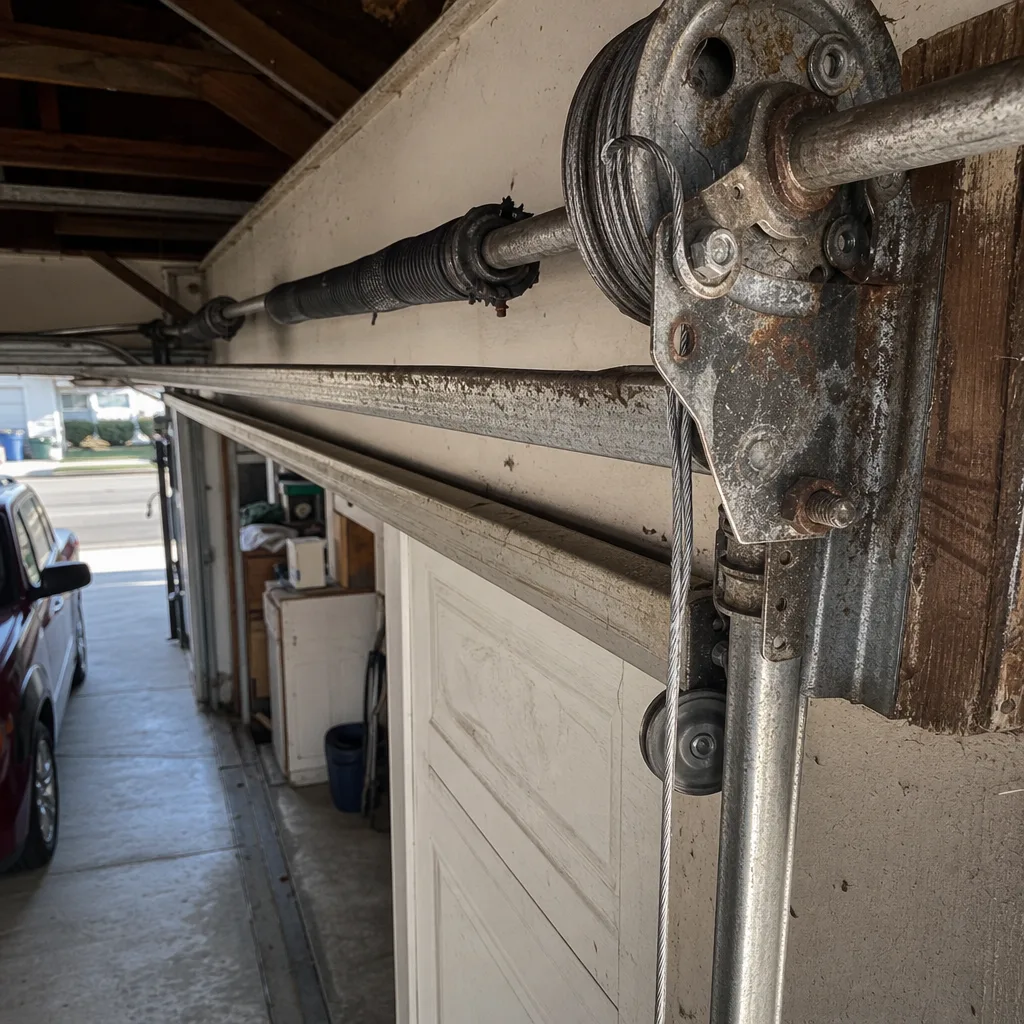 Before
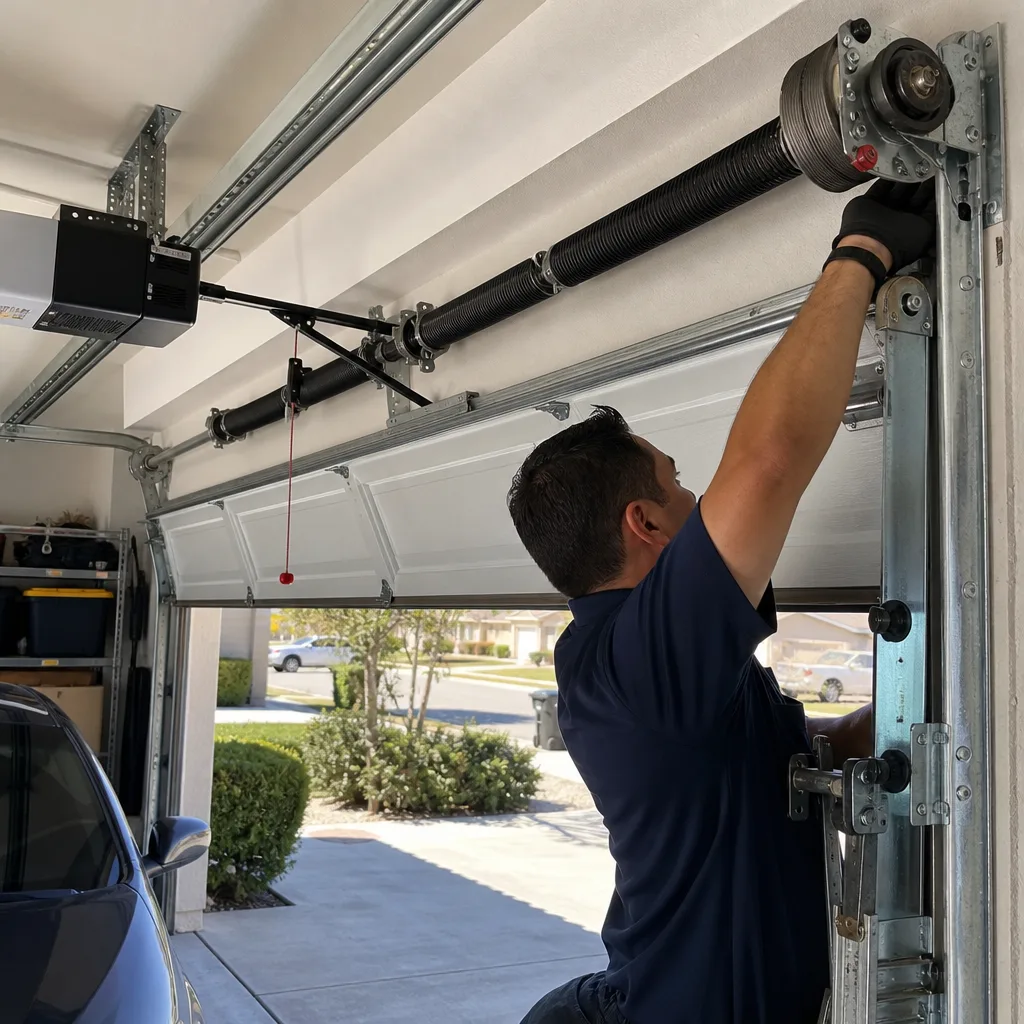 After
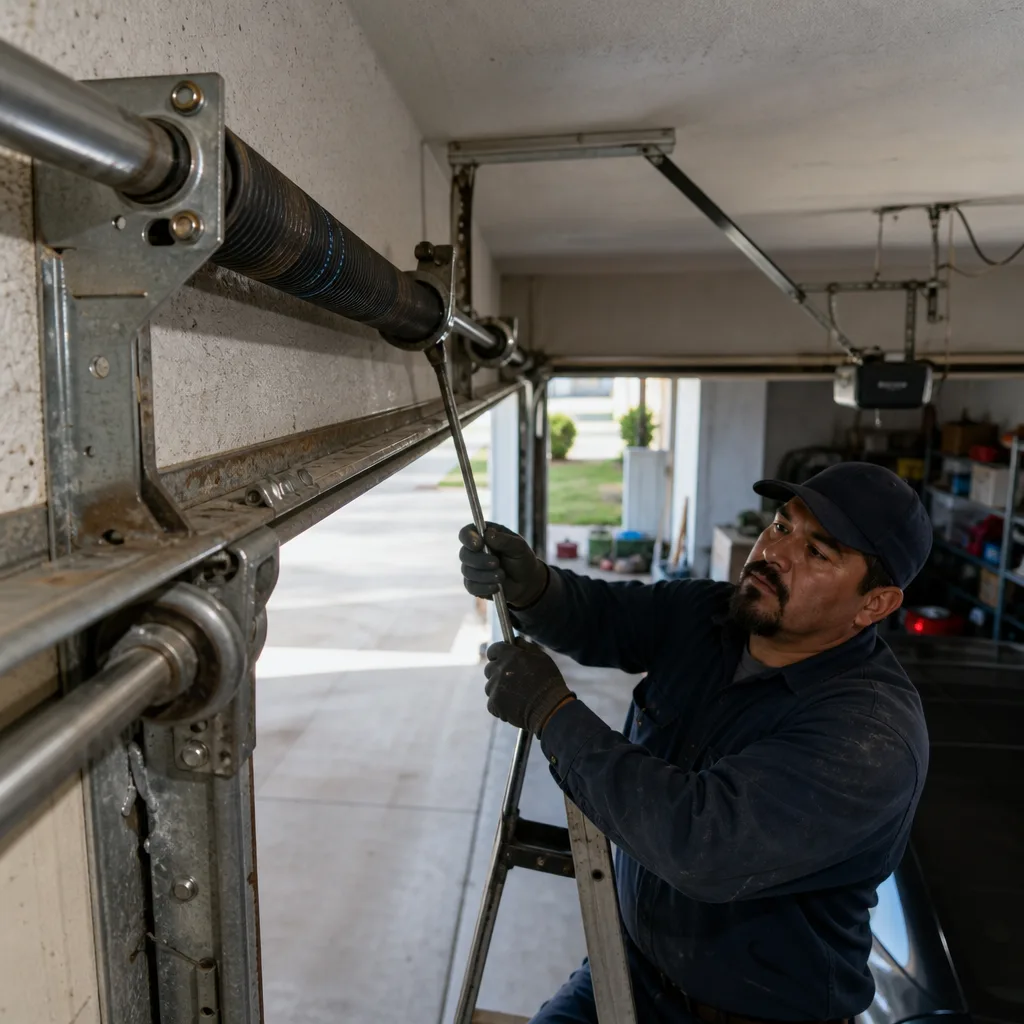 Before
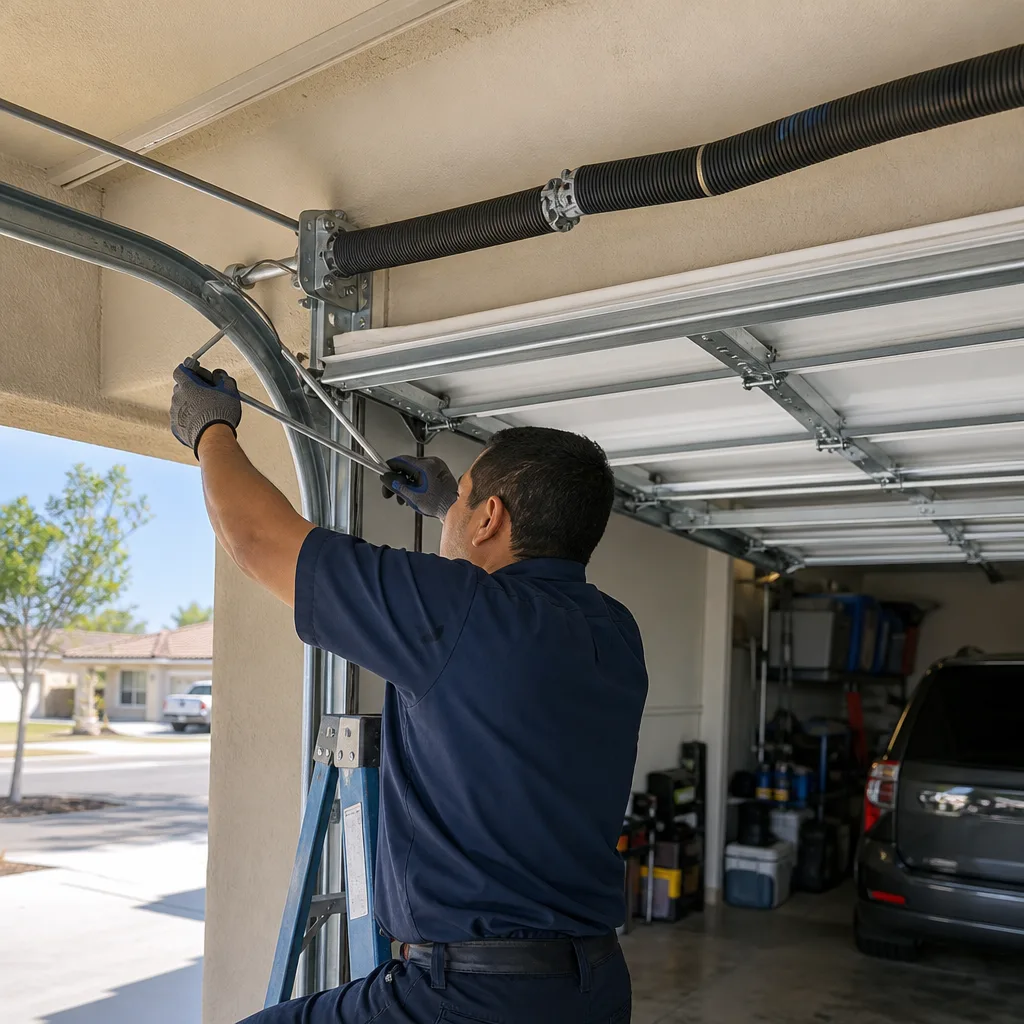 After
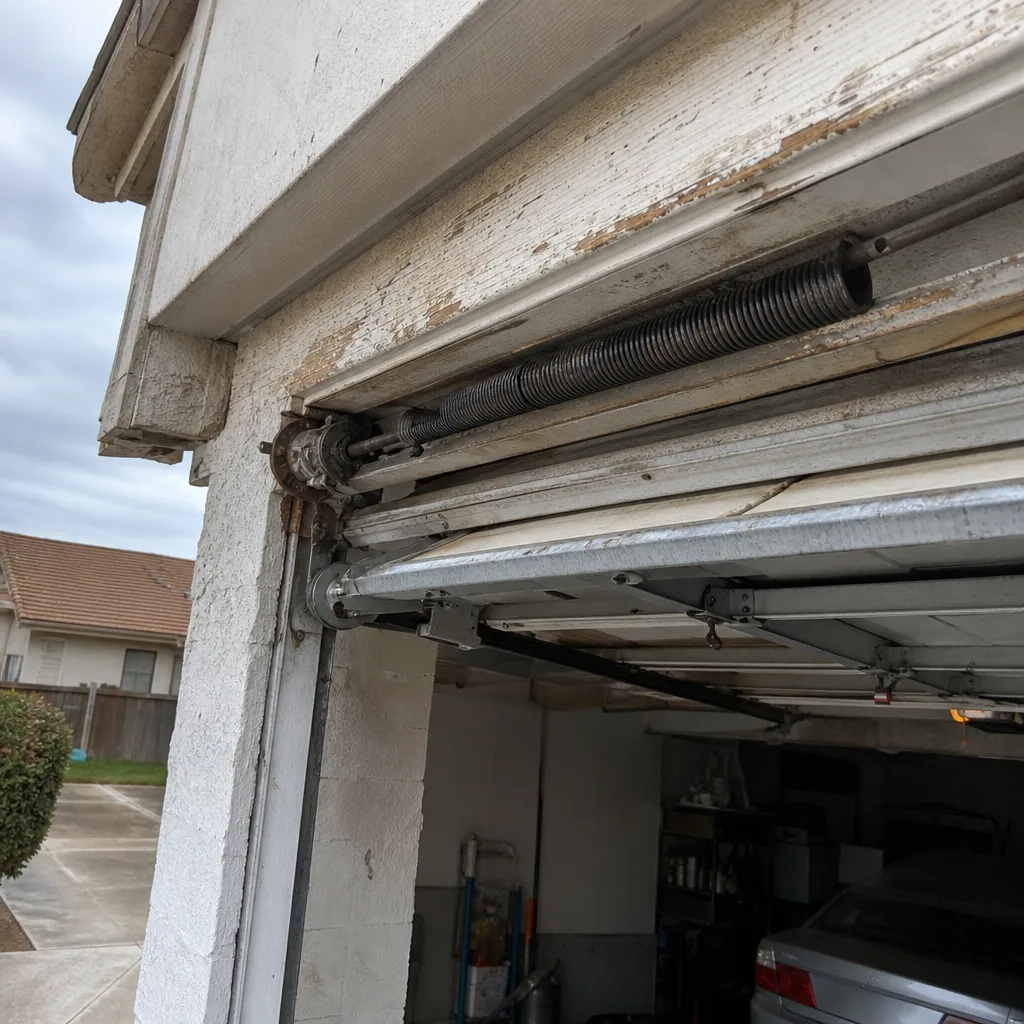 Before
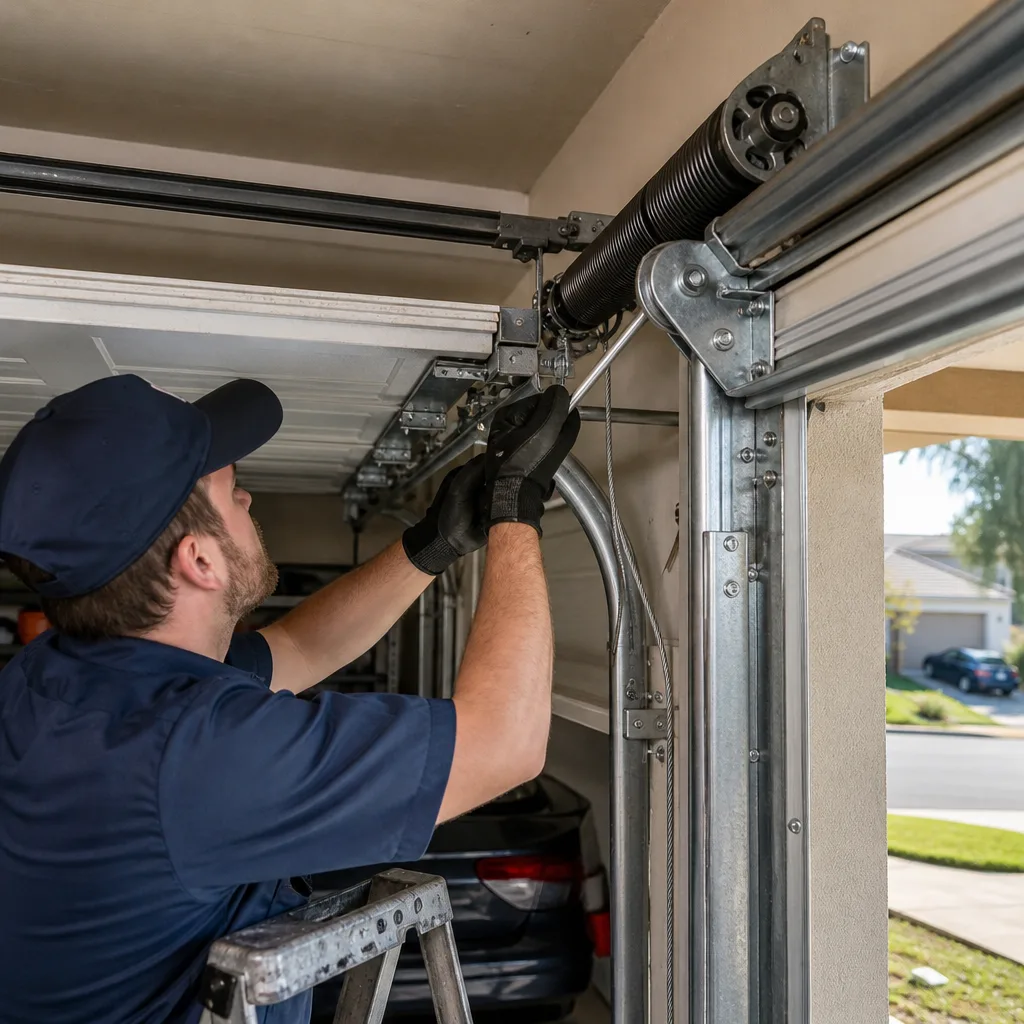 After