
Last updated November 3, 2026
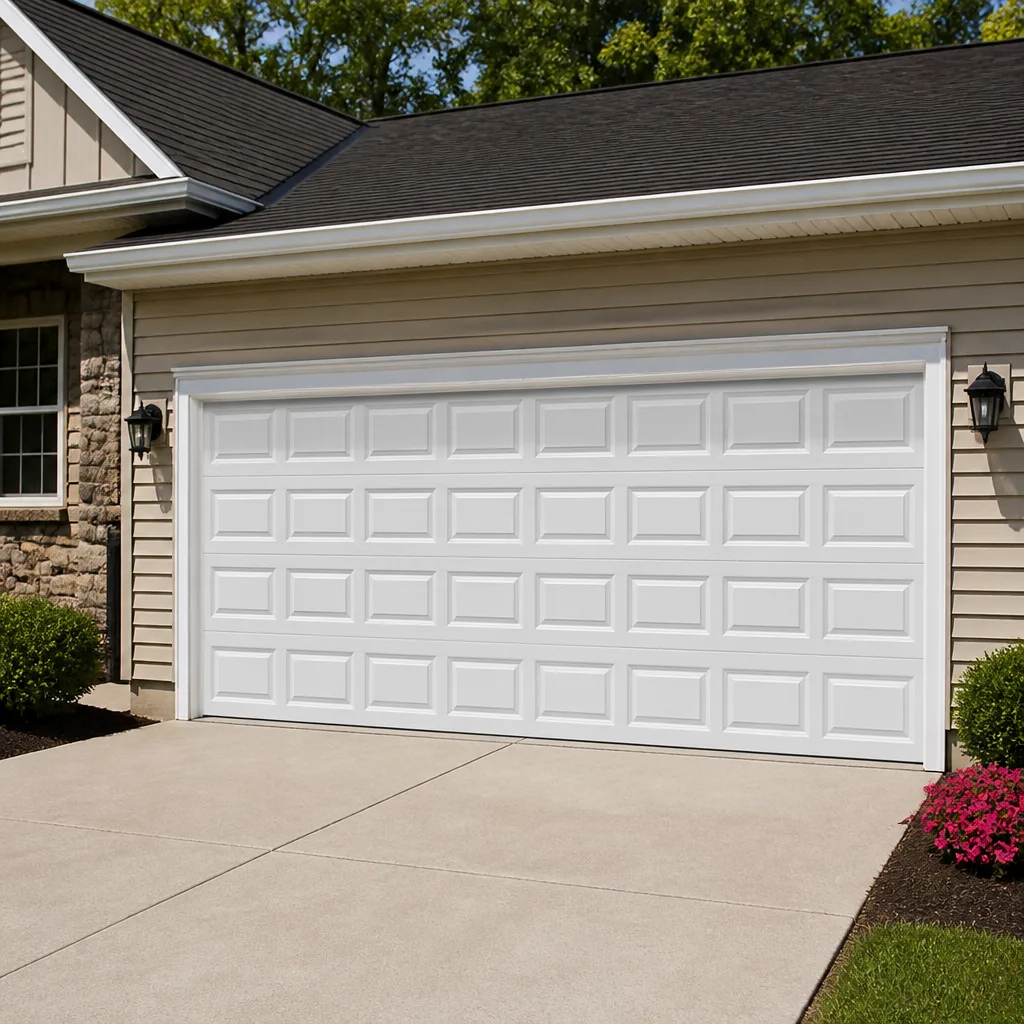 Raised-panel steel
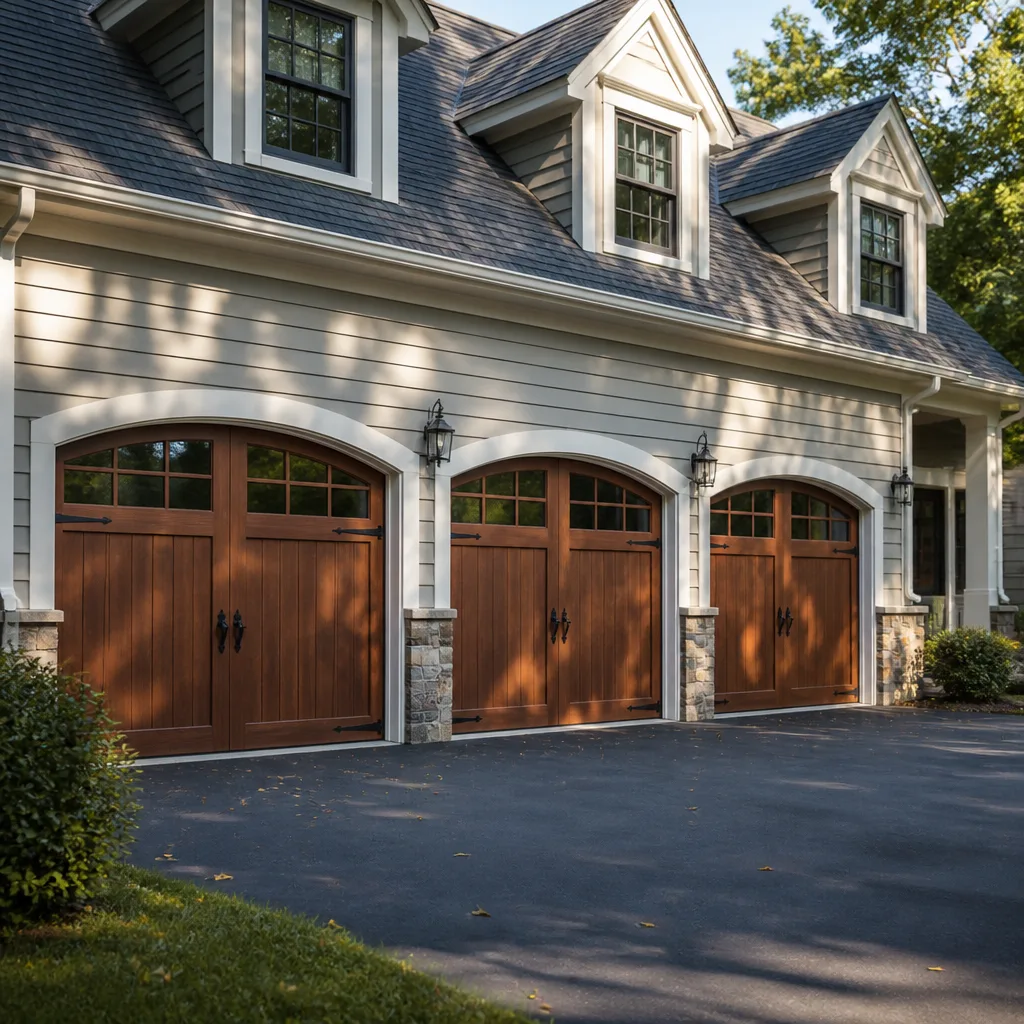 Carriage house
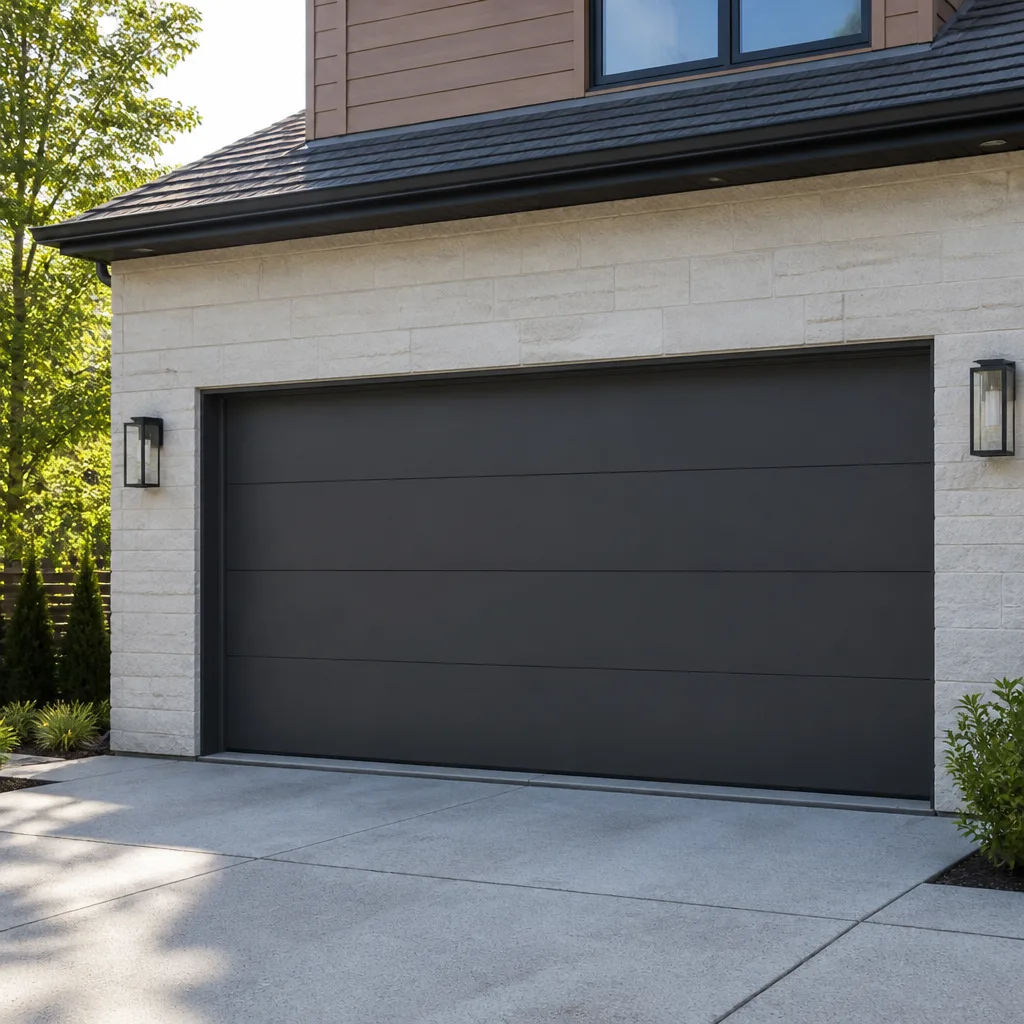 Modern flush
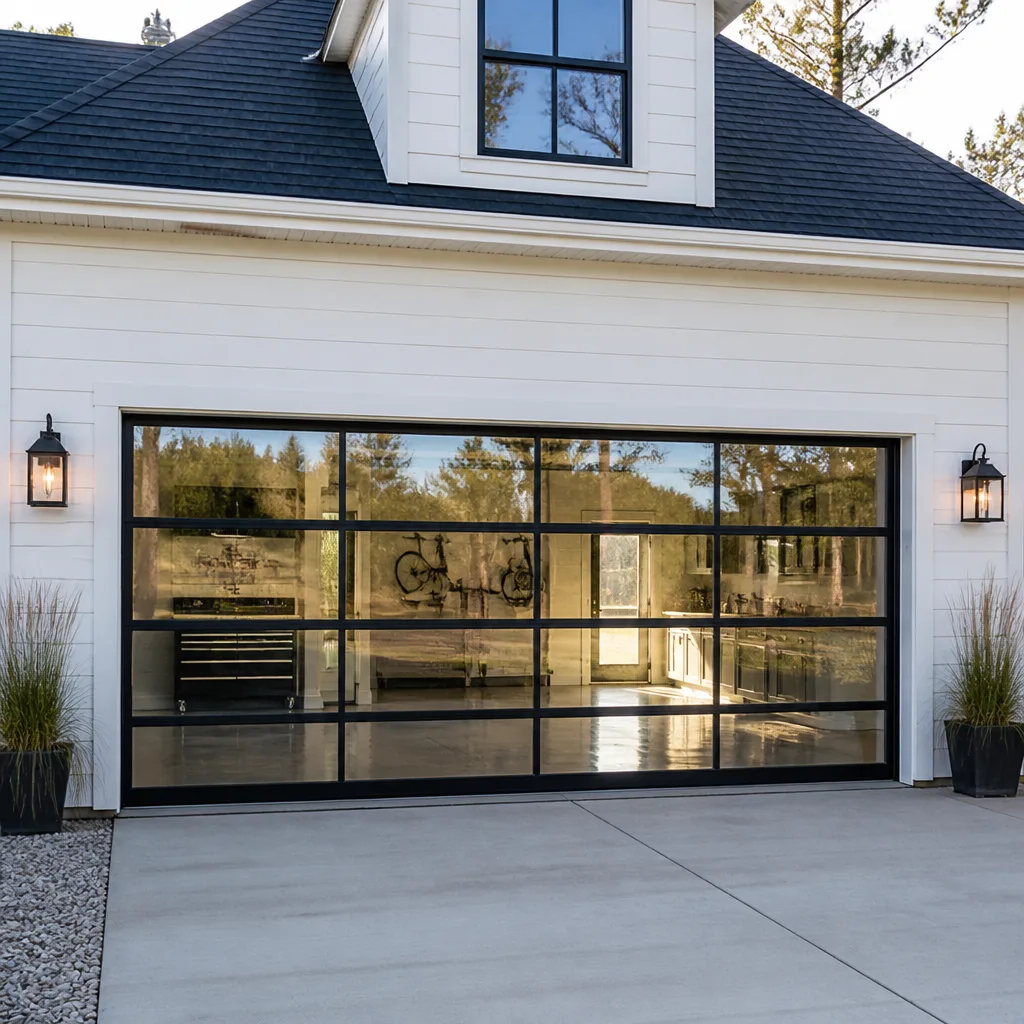 Full-view glass
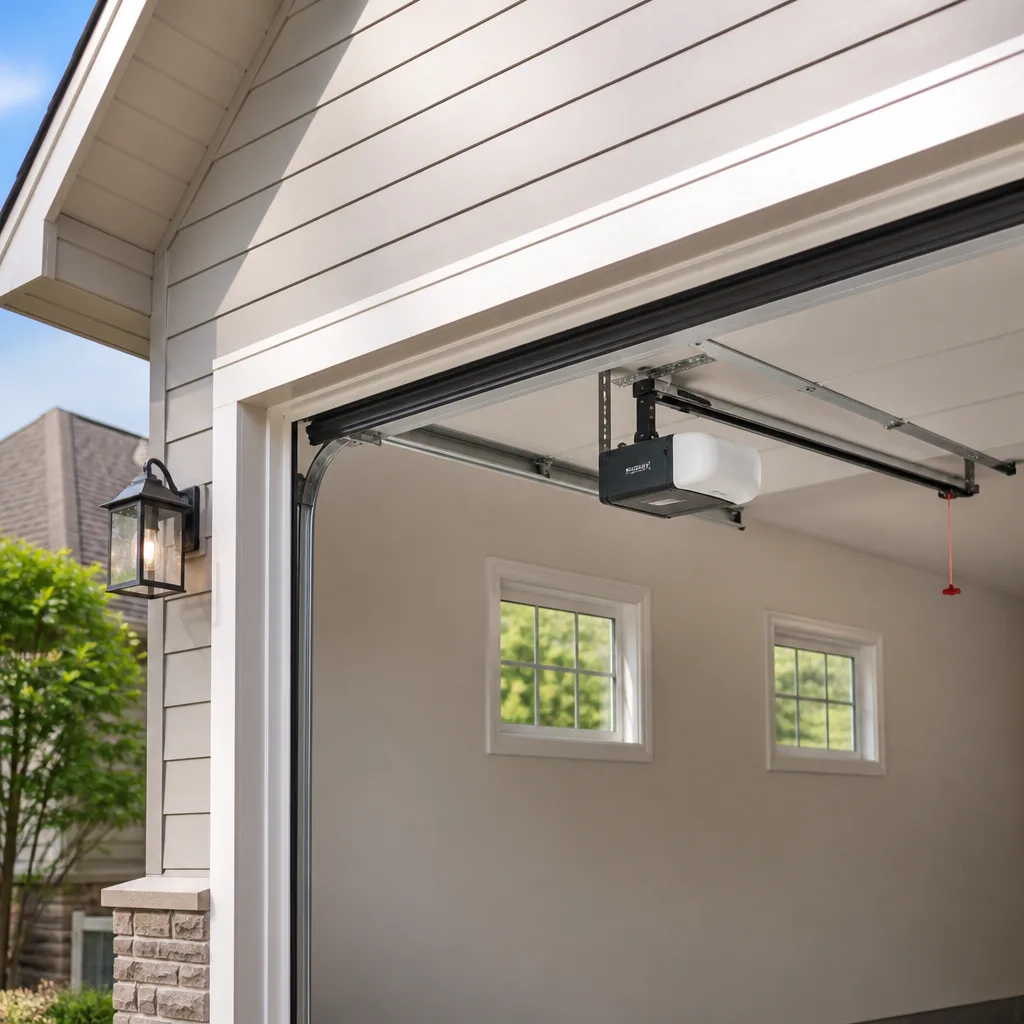 LiftMaster openers
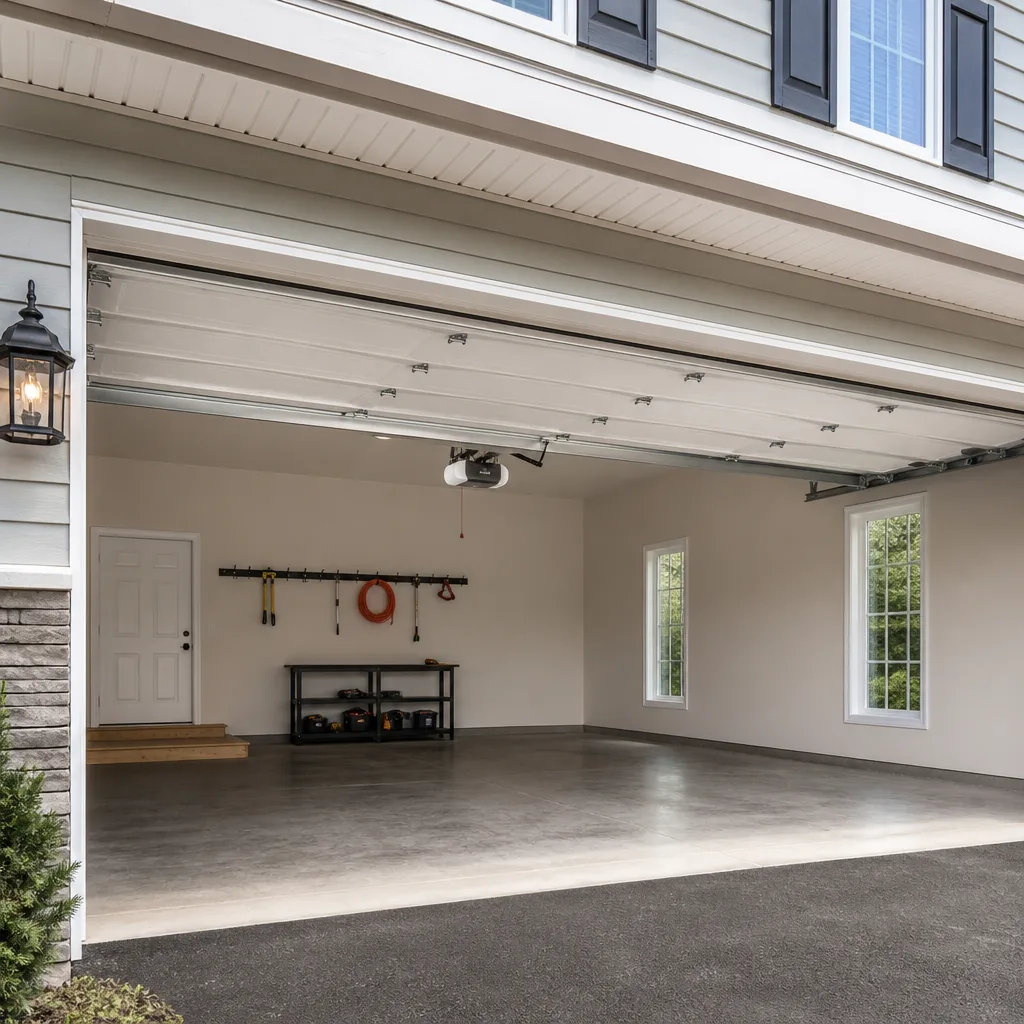 Chamberlain openers
Full 25-point door and opener safety check with every visit - springs, cables, rollers, tracks, and your LiftMaster or Chamberlain opener included
You get a price before we start. It does not change when the truck arrives.
Get your free estimateThe Complete Garage Door Repair Guide for Moreno Valley Homeowners
In 2023, Moreno Valley hit 110°F on multiple summer days. That kind of heat doesn’t just wear you down. It accelerates torsion spring metal fatigue by up to 40% compared to coastal California climates. Most garage door guides online read like they were written for a garage in San Diego, where 75°F is a hot day. Yours is not that garage. This guide is built for Moreno Valley specifically: the heat, the dust, the Santa Ana winds, the specific failure calendar our city follows. You’ll learn which repairs are safe to handle yourself, which ones carry real injury risk, what parts actually cost here, and when the math says to replace instead of repair.
Quick Answer
Garage door repair in Moreno Valley typically costs between $125 and $350 for most mechanical fixes, with torsion spring replacement running $180 to $340 and opener circuit board repair at $150 to $300. The single most important thing a Moreno Valley homeowner can do is replace weather seals before summer heat arrives, inspect springs after the first 100°F week, and never attempt a torsion spring repair without the proper winding bars and training. For anything beyond basic track lubrication and sensor alignment, Garage Door Repair from a door specialist at (866) 623-1879 will almost always be faster and safer than a DIY attempt.
Styles & brands we work with
- Raised-panel steel
- Carriage house
- Modern flush
- Full-view glass
- LiftMaster openers
- Chamberlain openers
Table of Contents
- How Moreno Valley Heat Cycles Destroy Garage Door Parts
- Part-by-Part Repair Cost and Difficulty Matrix
- Brand-Specific Repair Notes for the IE Market
- Permit and HOA Disclosure Reality in Moreno Valley
- The Moreno Valley Maintenance Calendar
- DIY Repairs That Are Safe, and Repairs That Are Not
- Common Mistakes to Avoid
- When to Call a Professional
- Frequently Asked Questions
How Moreno Valley Heat Cycles Destroy Garage Door Parts
Moreno Valley sits in a thermal bowl. Temperatures swing 40 degrees between day and night in summer. Your garage door is a giant metal panel absorbing sun from 10 AM to 7 PM, then cooling rapidly after sunset. That daily expansion and contraction cycle is the single biggest killer of door components here.
What we see most often in Moreno Valley garages during the summer months:
- Torsion springs losing tension. Steel springs fatigue faster at sustained high heat. A spring rated for 10,000 cycles in a coastal climate might give you 6,000 to 7,000 cycles in Moreno Valley. When a spring gives out, the door won’t open at all.
- Weather seals turning brittle. The rubber bottom seal and vinyl side seals bake in the garage’s ambient heat. After two summers, they crack, peel, or flatten permanently. A failed bottom seal lets dust, spiders, and 110-degree air into the garage.
- Opener circuit board failures. LiftMaster and Chamberlain opener logic boards sit inside the motor housing, which traps heat. When the garage interior reaches 115°F, the board components degrade. The first symptom is usually intermittent operation: the remote works, then doesn’t, then works again.
- Cable wear. The steel cables that run alongside the door track collect fine desert dust. Combined with heat-thinned lubrication, that dust acts like sandpaper on the cable drum. We’ve replaced cables in Moreno Valley that had visible strands breaking after just four years of use.
The failure pattern follows a predictable calendar. The first 100-degree week of May or June triggers the first wave of spring failures. July brings opener board complaints. August through September is when seals and cables fail most visibly, as homeowners notice dust intrusion and noisy operation. October, after the Santa Anas die down, is when the accumulated damage shows up as doors sitting visibly crooked in their tracks.
This is why the maintenance calendar in this guide is built around Moreno Valley’s actual seasons, not a generic national schedule. A February tune-up in Moreno Valley means a door that survives July without a breakdown call.
Part-by-Part Repair Cost and Difficulty Matrix
The question every homeowner asks first is “what’s this going to cost me?” The honest answer depends on the part and whether you’re calling someone or doing it yourself. Here’s the breakdown for Moreno Valley specifically, based on what we see day in and day out.
- Torsion spring replacement: $180 to $340 installed. Difficulty: Professional only. These springs are under 100 to 150 pounds of torque. Using the wrong tools kills people. This is not a YouTube repair.
- Extension spring replacement (older doors): $140 to $250 installed. Difficulty: Professional only. Same danger level as torsion springs if the safety cable is missing.
- Cable replacement: $125 to $225 installed. Difficulty: Professional only. Cables share the spring’s tension load. A snapped cable means the spring is still holding force.
- Bottom weather seal replacement: $85 to $160 installed, or $20 to $40 for the seal itself if you do it. Difficulty: DIY-safe. Slide out the old rubber, slide in the new. Takes 20 minutes with a utility knife.
- Roller replacement (all rollers): $90 to $180 installed. Difficulty: DIY with caution. The nylon rollers themselves are cheap, but the bottom roller bracket carries cable tension. Never remove the bottom bracket without a pro.
- Track realignment: $100 to $200 installed. Difficulty: DIY with caution. Loose track bolts are simple. A track that’s pulled away from the wall needs professional attention.
- Opener circuit board replacement: $150 to $300 with labor. Difficulty: Partially DIY. If you can match the exact board part number and follow static-electricity precautions, it’s a screwdriver job. Get it wrong and you’re buying a new opener.
- Opener gear and sprocket replacement: $140 to $260 installed. Difficulty: Professional recommended. This is the most common opener failure for chain-driven LiftMaster and Chamberlain units. The plastic gear is designed to fail as a sacrificial part, but the job requires removing the opener from its bracket.
- Photoelectric sensor replacement: $60 to $120 for the part, plus $80 to $140 labor. Difficulty: DIY-safe. Two wire connections per sensor, plus re-aiming the beam. The most common cause of a door that won’t stay closed.
- Full panel replacement (single panel damage): $200 to $500 per panel, depending on brand and finish. Difficulty: Professional only. Getting the panel to match and the door to balance afterward requires experience.
The price you’re quoted should be agreed upon before any work starts. If a company won’t give you a firm number before touching your door, call someone else. At Dynasty Garage Door Repair, the price you’re quoted is the price you pay, and we walk you through what the repair involves before we pick up a tool.
For a more detailed breakdown of what repair service looks like from start to finish, see our dedicated guide on Garage Door Repair in Moreno Valley.
Brand-Specific Repair Notes for the IE Market
The Inland Empire has more garage door brands installed per square mile than almost any region in California. Track homes from the 1980s and 1990s feature Wayne Dalton and old Genie systems. Newer developments in Sunnymead Ranch and Hidden Springs show Clopay doors with LiftMaster openers. Knowing what brand you have changes the repair approach.
Dynasty Garage Door Repair works with factory familiarity across eight major brands: LiftMaster, Chamberlain, Genie, Clopay, Amarr, Wayne Dalton, Craftsman, and Raynor. That matters because a Wayne Dalton TorqueMaster system and a standard torsion spring setup are completely different animals. A technician who only knows one design will struggle with the other.
What we see in Moreno Valley with specific brands:
- LiftMaster: The dominant opener brand in Moreno Valley homes built after 2010. Most failures we see involve the plastic gear assembly or the logic board. LiftMaster openers respond well to maintenance, but the wall control panel wiring can corrode in garage humidity. Replacement parts are readily available, which keeps repair costs competitive with new opener installs.
- Chamberlain: Essentially LiftMaster’s retail sibling. The myQ smart home integration is the reason people tolerate the older mechanical design. Common failure point in Moreno Valley: the travel limit modules drift in response to thermal expansion, so the door opens halfway then reverses. A simple reprogram fixes this, but it needs to be done with a level and the door in the fully closed position.
- Craftsman: These openers are everywhere in homes built between 1995 and 2015. The gear and sprocket kit is the most replaced part. Craftsman doors themselves are workhorses, but the torsion springs on older Craftsman installations are often pair-matched from the factory. When one fails, replace both. A single new spring on an old Craftsman system creates balance problems.
- Raynor: Less common in tract housing, but the preferred brand for custom and carriage-style doors in Moreno Valley’s higher-elevation neighborhoods. Raynor doors use thicker steel and heavier springs. The repair costs run slightly higher because parts are not as universally stocked. We keep Raynor-specific hardware in our truck inventory because sourcing delays in the IE can stretch weeks during peak season.
- Genie: The older Genie screw-drive openers are still running in plenty of Moreno Valley garages from the 1990s. They’re loud but nearly indestructible. The weak point is the carriage that rides the screw, which wears out after two decades. Genie direct-drive and belt units from the past ten years are quiet and reliable, but the circuit boards are sensitive to heat. We replace Genie boards more than any other brand.
- Clopay: The most common panel door in newer Moreno Valley subdivisions. Clopay doors are well-built, but the bottom panels on Clopay models take a beating from irrigation overspray and algae growth on north-facing garage fronts. We see more bottom panel and seal replacements on Clopay doors than any other panel brand.
- Amarr: Popular in the custom home market. Amarr doors have excellent insulation values, which matters when your garage faces west. The trade-off: the heavier insulated panels put more load on springs and cables. Amarr owners in Moreno Valley should expect spring replacement roughly every 7 to 9 years, regardless of cycle count.
- Wayne Dalton: The TorqueMaster spring system is unique to Wayne Dalton. It houses the spring inside a tube, making it impossible to see the spring condition from outside. The repair requires different tools and a different tensioning procedure than standard torsion springs. If your garage has a Wayne Dalton TorqueMaster and the door suddenly feels heavy, call someone who knows that specific system. Not every company does.
The point is this: your garage door is not a generic machine. It’s a specific brand with specific failure modes. A repair company that knows its way around the major brands fixes your door faster and does not guess.
Permit and HOA Disclosure Reality in Moreno Valley
Moreno Valley’s permitting rules for garage door work are relatively clear. The confusion comes from mixing up what’s a “repair” and what’s a “replacement.”
For most garage door repairs, you do not need a City of Moreno Valley permit. Replacing a spring, swapping a cable, fixing a sensor, or replacing an opener are all classified as routine maintenance. No permit required.
The City of Moreno Valley does require a building permit for a full garage door replacement when the door opening size changes or when structural modifications to the header or jamb are necessary. If the new door goes into the existing rough opening, the typical replacement is classified as a “like-for-like” change and often does not require a permit. But the city’s building division can require an inspection if the door is part of a fire-rated wall assembly, which is common in homes where the garage shares a wall with living space.
What gets Moreno Valley homeowners in trouble more often than permits is HOA rules. If you live in a community governed by a homeowners association in Moreno Valley, such as Sunnymead Ranch, Moreno Beach, or the subdivisions near Lake Perris, your CC&Rs likely include architectural control over garage door appearance. A standard white steel panel door replacement in a neighborhood with color palette restrictions can trigger a compliance letter.
Before you replace a full door in an HOA community:
- Check your CC&Rs for any mention of garage door color, material, or style restrictions.
- Many Moreno Valley HOAs require written approval before installation begins, even for same-size replacements.
- Some HOAs specify approved door brands and panel styles. This is more common in newer neighborhoods built after 2015.
- If your door is visible from the street, expect stricter review than one facing an alley or rear court.
For installation guidance that accounts for Moreno Valley conditions, including wind load requirements and the right door material for a west-facing garage, see our detailed page on Garage Door Installation in Moreno Valley.
The Moreno Valley Maintenance Calendar
A maintenance schedule tuned for coastal California misses the point here. Moreno Valley’s climate is desert-influenced, and the failure cycle follows a specific rhythm. Here’s the calendar we recommend to our customers.
February: Pre-Spring Checkup
- Lubricate the torsion spring with a lithium-based garage door grease. This is the single highest-impact maintenance task you can do.
- Inspect the bottom weather seal for cracks. If it’s brittle, replace it now before the heat arrives.
- Test the safety reversal mechanism by placing a 2×4 in the door’s path. If the door doesn’t reverse, the opener needs a force adjustment or a sensor alignment.
- Check all hinge bolts and track brackets. Thermal cycling from the previous summer has loosened them.
May: Pre-Summer Heat Prep
- Inspect the torsion springs visually. Look for gaps in the coil or rust-colored dust around the spring. Both signs indicate fatigue.
- Check the garage interior temperature at 3 PM. If it’s over 115°F, consider insulating the door or improving ventilation. Opener boards fail quickly in that heat.
- Clean the photoelectric sensor lenses. Dust from spring winds accumulates in the garage and dims the beam.
- Replace the opener battery backup if your LiftMaster or Chamberlain has one. Heat kills backup batteries in two seasons.
August: Peak Heat Evaluation
- Listen to the door during operation. A grinding sound from the spring area means the spring is binding. That’s a pre-failure sign.
- Feel the bottom edge of the door while closed. If hot air is blowing through, the seal has flattened and needs replacement.
- Check the door balance by disconnecting the opener and lifting the door manually. It should stay about halfway up without dropping. If not, spring tension is failing.
November: Post-Santa Ana Wind Check
- Inspect the tracks for dust accumulation. Santa Ana winds push fine grit into every gap.
- Clean and re-lubricate all rollers and hinges.
- Test the door’s wind load security. Santa Ana gusts in Moreno Valley regularly exceed 50 mph in the passes. A door that rattles in the wind is a door with worn rollers and loose track bolts.
- Check weather stripping on the sides and header. December cold snaps push heat out of a garage quickly through failed seals.
This calendar takes about 30 minutes per session. Following it will extend your spring life by 2 to 3 years and catch opener issues before they become full circuit board replacements. For a deeper dive into opener maintenance and repair specifically, see our guide on Garage Door Opener Repair in Moreno Valley.
DIY Repairs That Are Safe, and Repairs That Are Not
Some garage door tasks are genuinely homeowner-appropriate. Others have killed people. DIY vs Professional Garage Door: The Moreno Valley Homeowner’s Decision Guide covers where that line sits, because it is specific and not negotiable.
Safe for a careful homeowner
- Sensor cleaning and realignment. A damp cloth, a level, and a screwdriver. Five minutes.
- Bottom weather seal replacement. Slide out, slide in. The seal channel on most Clopay, Amarr, and Raynor doors is a simple T-channel.
- Lubrication. White lithium grease on springs, silicone spray on rollers, and penetrating oil on hinge pins. Correct lubes cost under $20 total.
- Track inspection and bolt tightening. If a bracket is loose against the wall or ceiling, snug it with a socket wrench. Do not loosen anything under tension.
- Opener force and limit adjustment. Most LiftMaster, Chamberlain, and Genie openers have accessible adjustment screws. Follow the owner’s manual.
Not safe. Call a professional.
- Torsion spring repair or replacement. The spring is under enough tension to break bones or kill. The winding bars, process, and experience required are not things you can learn from a video.
- Cable replacement. The cable is connected to the spring system. When a cable snaps, the spring still holds its force. Removing the cable without releasing spring tension properly turns the cable into a whip.
- Bottom roller bracket removal. The bottom bracket is attached to the cable. Detaching it without proper procedure causes the spring to release unexpectedly.
- Track realignment when the track is pulled from the wall. If the wall anchors are compromised, the entire door can come down.
- Full door panel replacement. The weight of a single panel, combined with the cable and spring system, requires a level of balancing knowledge that only comes from working on doors regularly.
The rule we give every homeowner: if the part is connected to the spring or the cable, do not touch it. If it’s connected only to the opener or the track mounting, you can probably manage it. For everything else, we run full service calls across Moreno Valley, from the original tract homes on the west side to the newer developments up by Box Springs.
Common Mistakes to Avoid
- Replacing one spring when both are worn. Torsion springs are installed in pairs. Both have the same cycle count. Replacing only the broken one means the other breaks a month later. Always replace both springs on a two-spring system.
- Using WD-40 on the track or rollers. WD-40 is a solvent, not a lubricant. It strips existing grease and attracts more dust. Use lithium grease on springs, silicone on rollers.
- Adjusting the opener force to “fix” a heavy door. A door that’s suddenly heavy means the spring is failing. Increasing opener force to compensate burns out the opener motor and doesn’t fix the real problem.
- Ignoring a sagging or drifting door. A door that sits an inch to the left or right indicates cable wear or a failing spring. Wait too long in Moreno Valley’s heat, and the spring snaps while the door is halfway up.
- Skipping the bottom seal replacement because “it’s just cosmetic”. In Moreno Valley, a failed bottom seal means dust intrusion, 15-degree temperature swings in the garage, and spider and rodent entry. The seal is the cheapest part on the door and the one with the highest return on maintenance dollars.
- Letting an unlicensed generalist “take a look” at a door problem. Garage door systems are specific. A handyman who does plumbing, drywall, and “some doors” doesn’t carry Wayne Dalton TorqueMaster tools or know LiftMaster board diagnostics. You will pay for their learning curve.
- Delaying opener board diagnosis until the opener completely dies. Intermittent operation in the heat is a warning sign. Board replacement is cheaper than full opener replacement if you catch it early. Wait until it’s fully dead and you’re paying for a new unit plus install.
When to Call a Professional
Call a garage door specialist in Moreno Valley when the spring breaks, when the door sits visibly crooked, when the opener works intermittently in the heat, when you hear grinding from the spring area, or when the door feels heavier than it did last month. These are not wear-and-tear annoyances. They’re failure indicators on a system that weighs 150 to 400 pounds and is under significant stored tension.
Dynasty Garage Door Repair offers free estimates in Moreno Valley. We show up, diagnose the exact problem, and give you a firm price before any work starts. No dispatch fee for the estimate. No pressure to authorize a repair you don’t want. Call (866) 623-1879 and we’ll walk you through what’s happening with your door. If you want a larger look at our full service area and what repair includes, the Dynasty Garage Door Repair home page covers the whole picture.
Frequently Asked Questions
Most garage door repairs in Moreno Valley run between $125 and $350, depending on the part. Torsion spring replacement costs $180 to $340. Opener board replacement runs $150 to $300. Weather seal replacement is the most affordable common repair at $85 to $160 installed. Every job is quoted before work begins.
Most repair calls in Moreno Valley can be scheduled same-day or next-day, especially for spring and cable failures that leave your door inoperable. Call (866) 623-1879 early in the day for the best chance of a same-day visit.
For a same-size door replacement in the existing opening, Moreno Valley generally does not require a building permit. A permit may be required if the rough opening changes or if structural work is involved. HOA approval is a separate step and is commonly required in Moreno Valley HOA communities like Sunnymead Ranch.
High garage temperatures in Moreno Valley cause opener circuit boards to overheat. The solder joints expand, and the board shuts down intermittently. This is most common in garages that exceed 115°F in summer. The fix is either board replacement or installing a heat-tolerant opener model.
In Moreno Valley’s heat, torsion springs typically last 7 to 10 years. High-cycle springs rated for 15,000 to 20,000 cycles can extend that to 12 to 15 years. Springs on heavier insulated doors from brands like Amarr and Raynor tend to wear faster because the door weight is higher.
No. The price we quote after diagnosis is the price you pay. We assess the door, identify the failed part, and give you a firm number before we start work. If additional issues are found during the repair, we stop, show you what was found, and get your approval before proceeding.
The Bottom Line
A garage door in Moreno Valley lives a harder life than a garage door in most of California. The heat is relentless, the dust is universal, and half-measures fail fast. The homeowners who do best are the ones who follow a seasonal maintenance rhythm, respect the danger of spring and cable work, and call a specialist when the symptom is more than a loose bolt. Not every repair requires a professional, but the ones that do require someone who knows the exact brand in your garage. See our more guides & resources for additional maintenance tips. Dynasty Garage Door Repair does one trade, and we know eight brands by heart. For a free estimate in Moreno Valley, call (866) 623-1879.
Written by the team at Dynasty Garage Door Repair, serving Moreno Valley since 2017.
See the difference
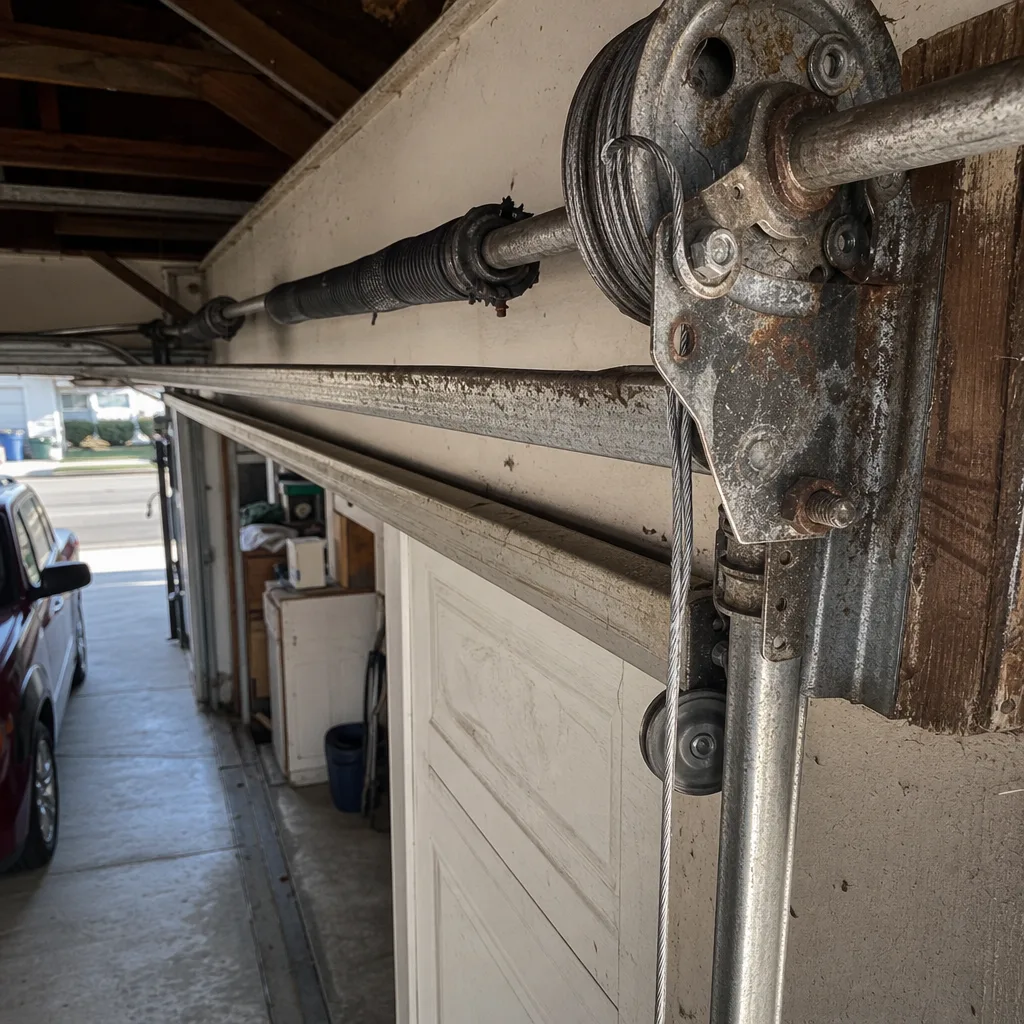 Before
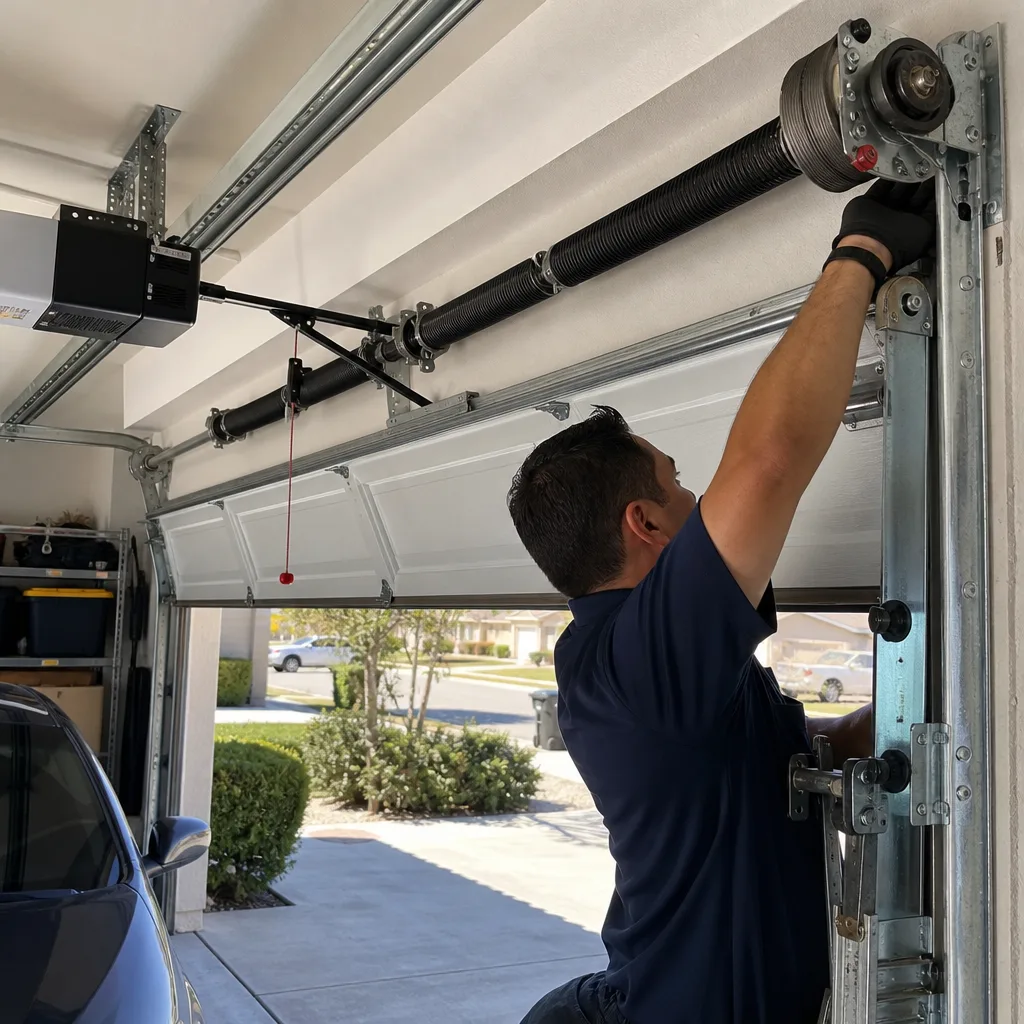 After
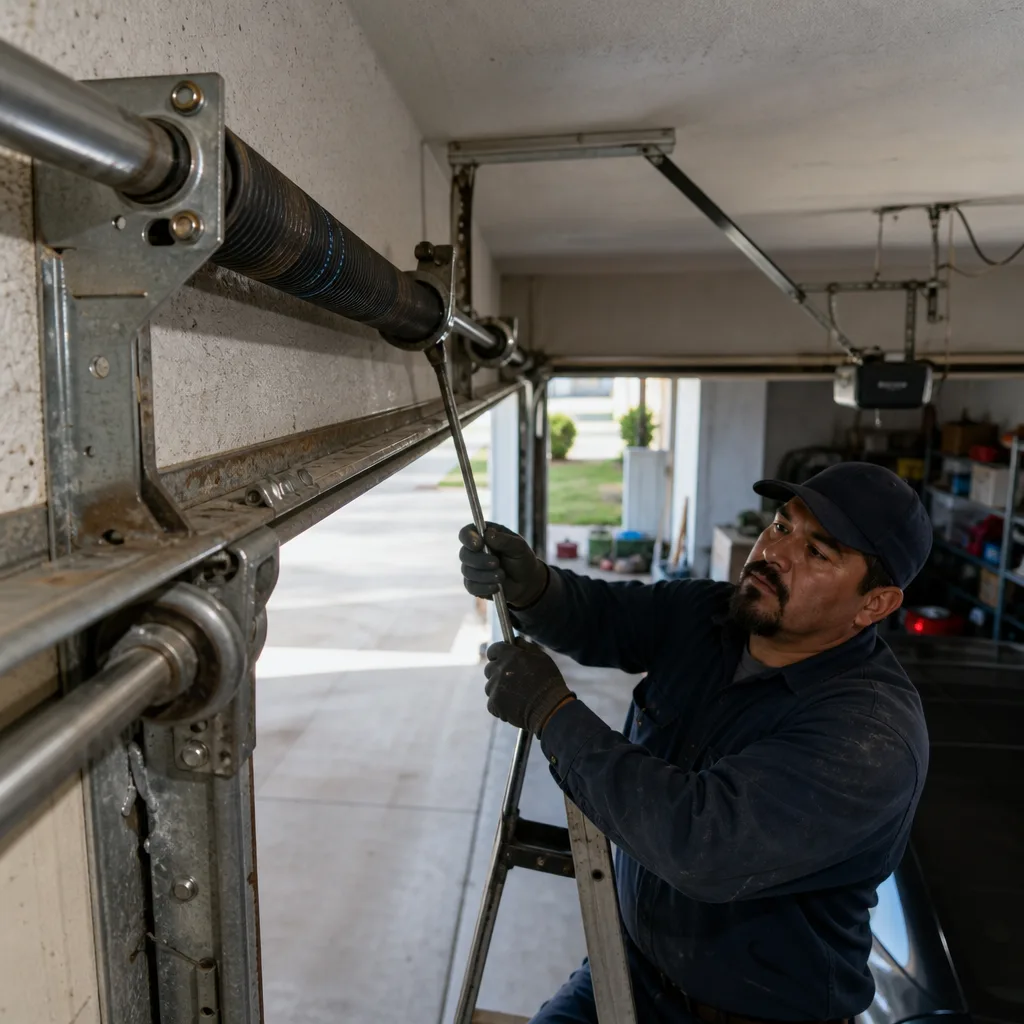 Before
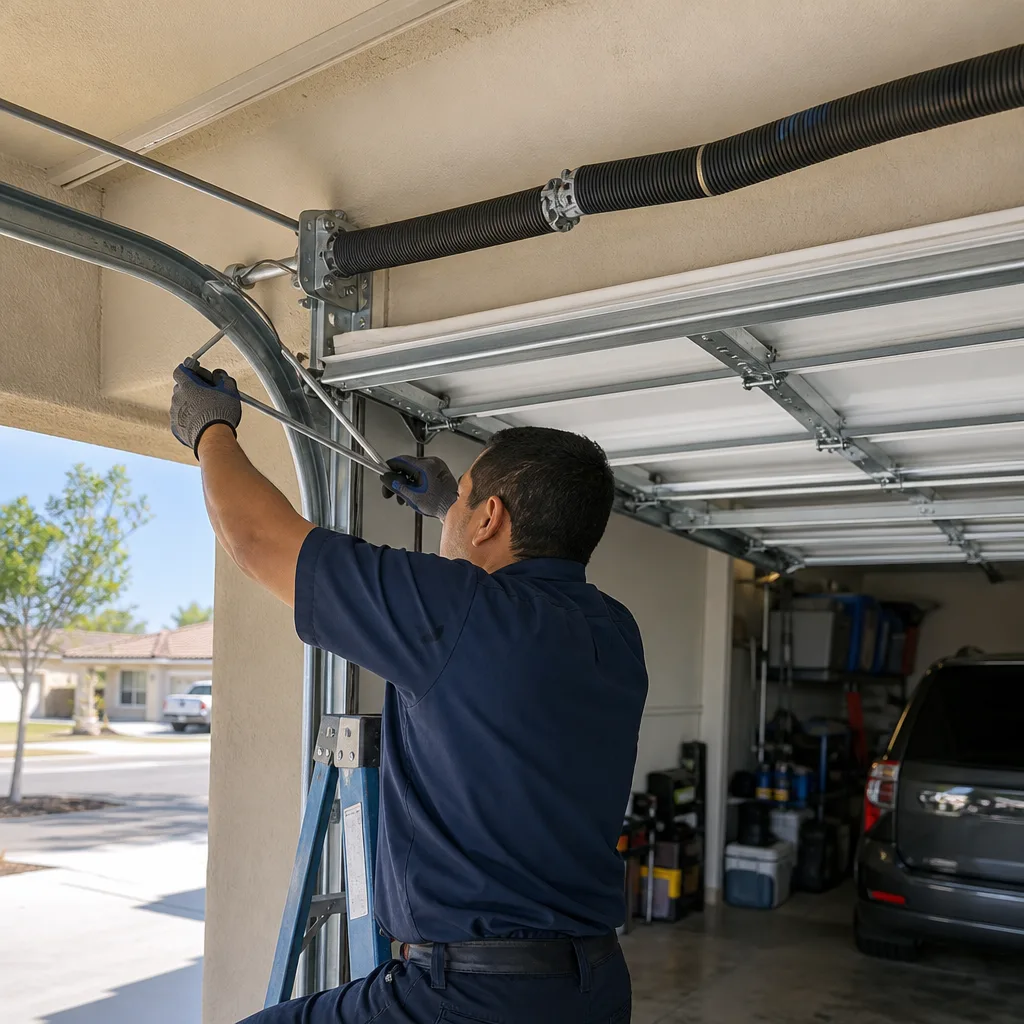 After
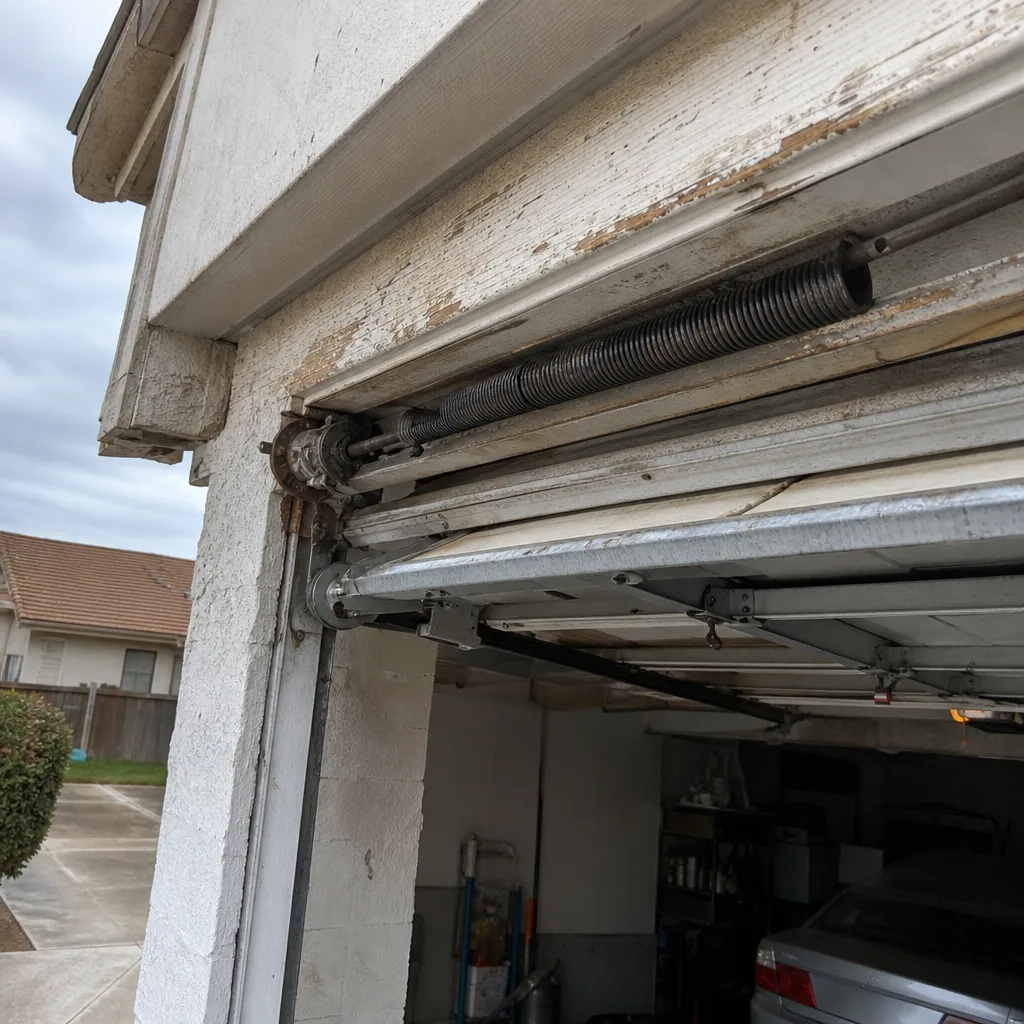 Before
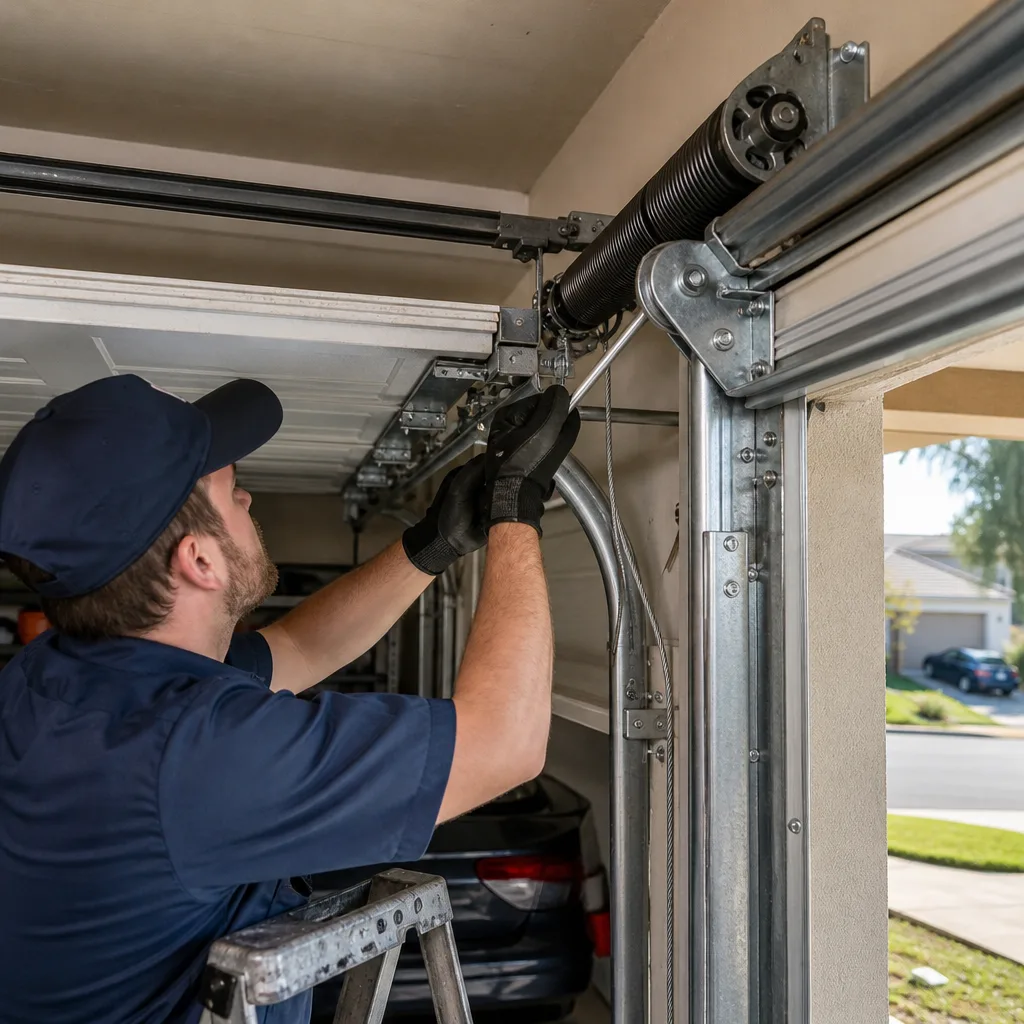 After