
Last updated November 2, 2026
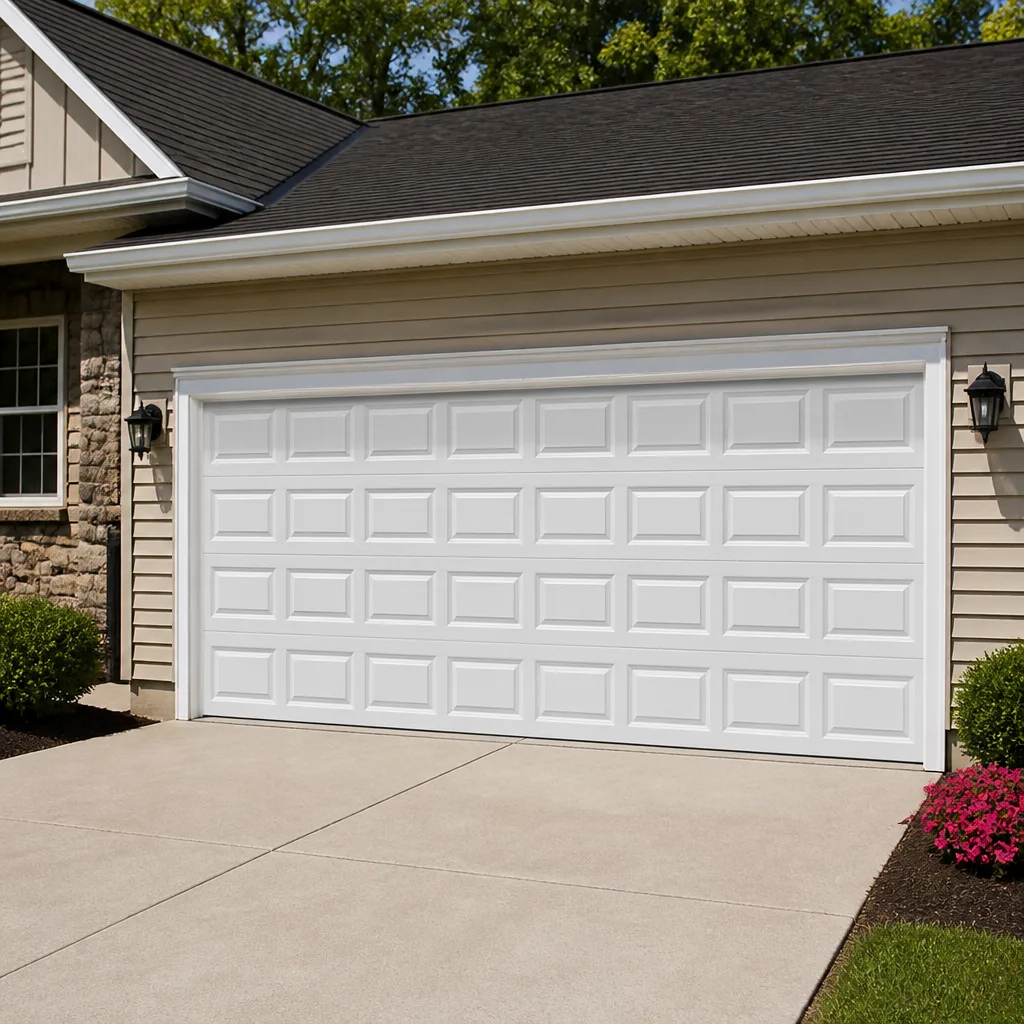 Raised-panel steel
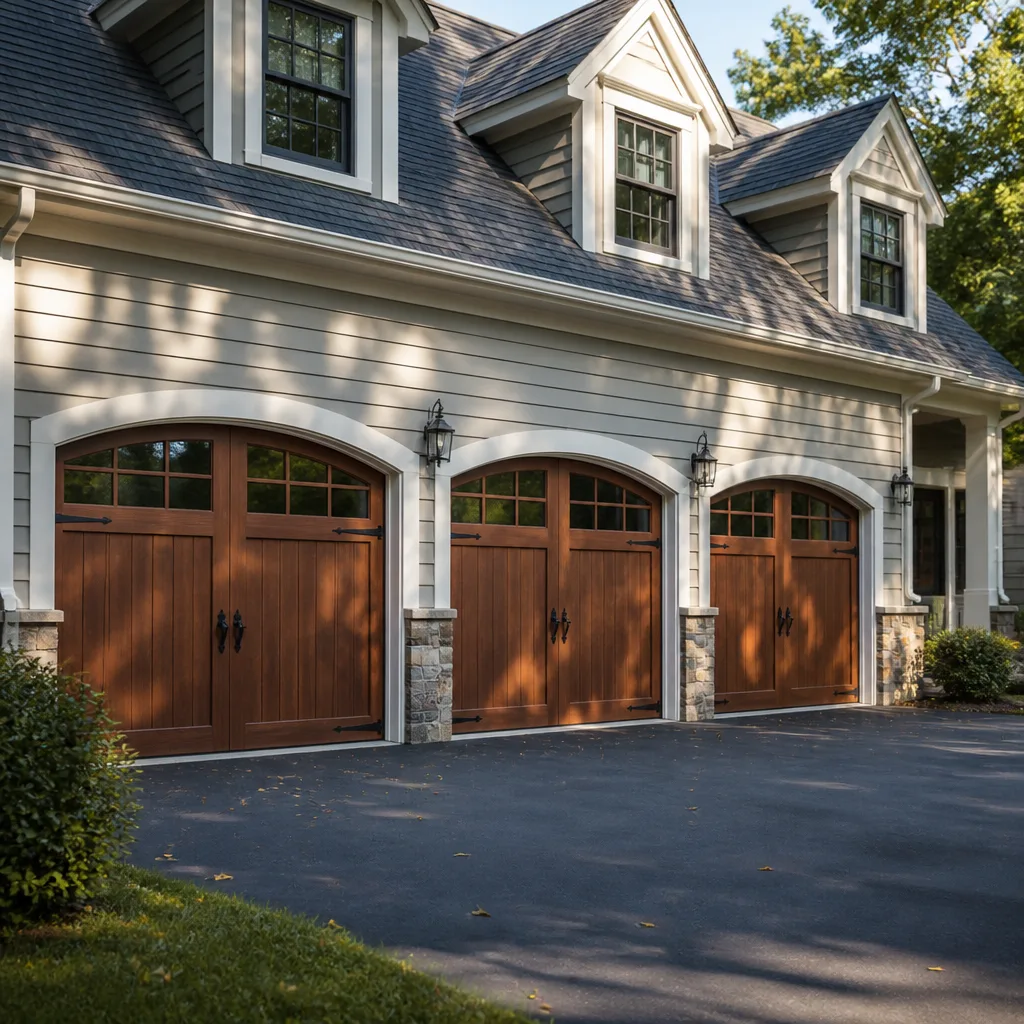 Carriage house
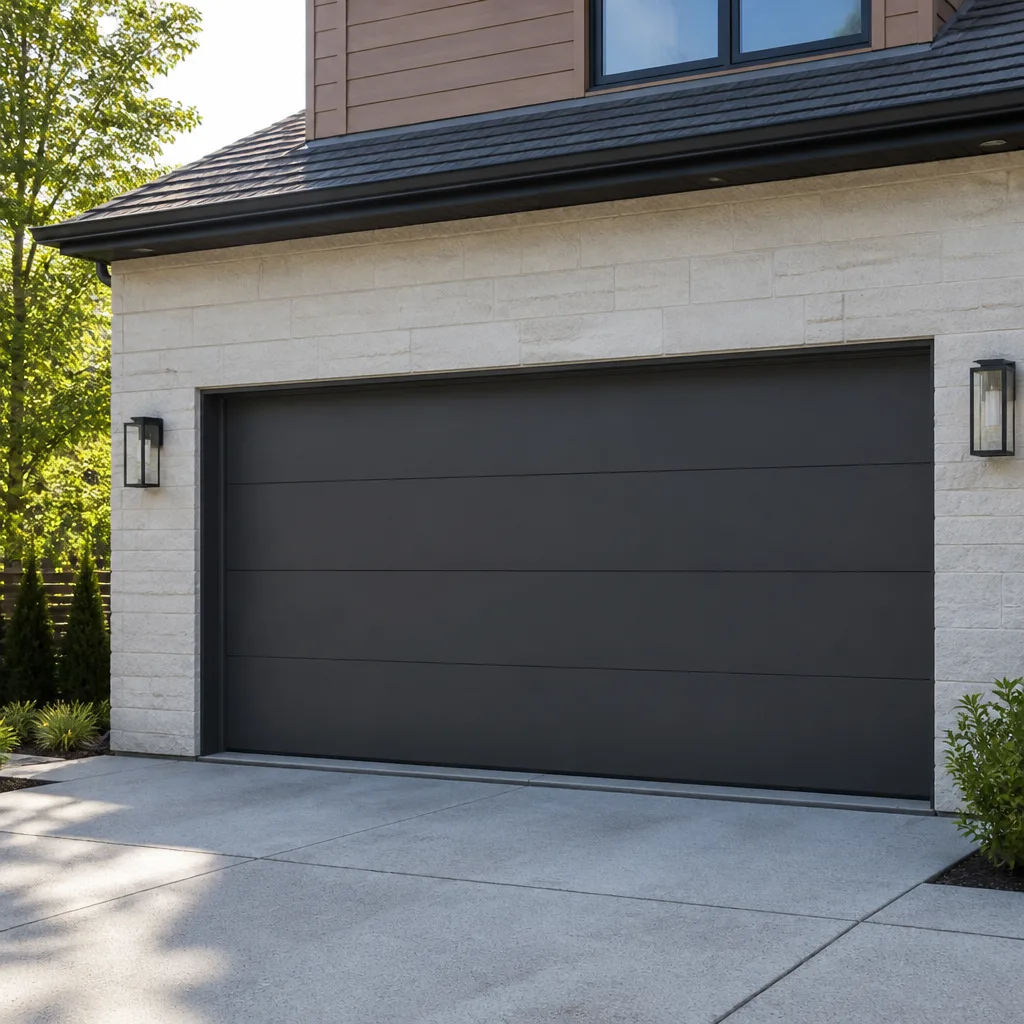 Modern flush
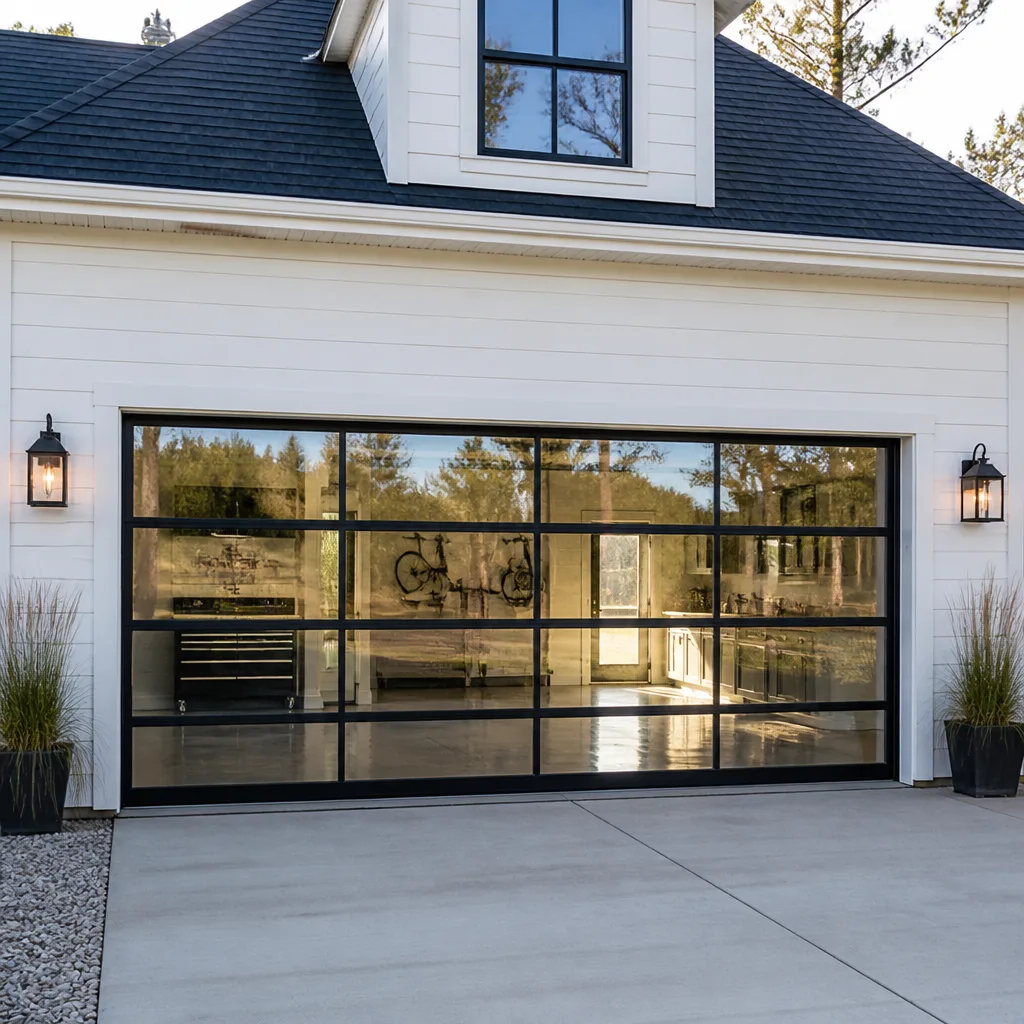 Full-view glass
 LiftMaster openers
 Chamberlain openers
Full 25-point door and opener safety check with every visit - springs, cables, rollers, tracks, and your LiftMaster or Chamberlain opener included
You get a price before we start. It does not change when the truck arrives.
Get your free estimateGarage Door Warning Signs: A Moreno Valley Homeowner’s Reference Guide
The warning sign most Moreno Valley homeowners ignore is a garage door that reverses for no obvious reason on hot afternoons. It looks like a sensor glitch. It isn’t. What you’re seeing is the opener’s thermal cutout tripping because the motor is running too hot in an unventilated garage, and it usually means the motor is months away from failing entirely. This guide covers the early indicators that show up in inland Southern California conditions, weeks or months before a door strands your car in the driveway or refuses to close at night. For more guides & resources on keeping your door reliable, visit our blog.
Quick Answer
The most common early garage door warning signs in Moreno Valley are heat-related opener failures (afternoon reversal, slow summer operation, motor smell), UV-damaged panels (chalking paint, bottom-corner rust, shrunken seals), and mechanical wear you can hear (grinding, popping, scraping). A door that moves 20% slower than it did six months ago is a spring or cable problem, not an opener problem. Most of these signs appear 3 to 8 weeks before total failure.
Styles & brands we work with
- Raised-panel steel
- Carriage house
- Modern flush
- Full-view glass
- LiftMaster openers
- Chamberlain openers
Table of Contents
- Heat-Specific Warning Signs Most Guides Miss
- Visual Panel Warnings From UV Exposure
- Sound Diagnosis: What Grinding, Popping, and Scraping Actually Mean
- The Slow Creep: Why a Slower Door Is a Bigger Deal Than You Think
- The Traffic-Light Urgency Framework
- Opener-Specific Warning Signs
- Spring and Cable Warning Signs
- Common Mistakes to Avoid
- When to Call a Professional
- Frequently Asked Questions
Heat-Specific Warning Signs Most Guides Miss
National garage door guides are written for places with mild summers. Moreno Valley routinely sees July and August temperatures above 95 degrees, and garage interiors run 15 to 25 degrees hotter than outside air. Your door opener was not designed to sit in a 120-degree box for hours. Heat changes how every component behaves, and it creates failure patterns you will not read about on a generic home maintenance site. For Seasonal Garage Door Care for Moreno Valley: Year-Round Homeowner’s Guide, see our seasonal maintenance breakdown.
Afternoon Reversal
You press the button to close the door. It travels a few inches, stops, and reverses back up. The sensor eyes are clean. The path is clear. It happens almost exclusively between 2 p.m. and 6 p.m., and it works fine every morning. That pattern is the thermal cutout inside the opener motor. When the motor windings exceed a safe temperature, the control board kills the run cycle to prevent permanent burnout. The reversal is a protective response, not a malfunction. But here is what matters: a motor hitting thermal cutout during a normal close cycle is a motor running at the edge of its capacity. It is warning you. In our experience across Moreno Valley, an opener that trips thermal cutout more than twice in one summer has roughly a 70% chance of complete failure within the following 12 months.
Slow Operation in Summer Only
Your door opens fine in January. In August, the same door crawls up the track like it is moving through syrup. That is not your imagination. Heat expands the metal in your torsion spring, slightly reducing its stored torque. At the same time, the lubricant on your rollers and hinges thins out and migrates away from the bearing surfaces. The combination drops system efficiency just enough to notice. A door that slows by more than 15% in hot weather usually has a spring losing tension or rollers that need replacement. Neither problem fixes itself.
Motor Smell
A faint hot-dust odor from your opener after a long afternoon of use is normal. A sharp, acrid smell that lingers is not. That smell is overheated motor winding insulation breaking down. Every time the insulation degrades, the motor runs hotter on the next cycle, which degrades more insulation. It is a spiral. If you smell the opener from six feet away, or if the cover of the motor housing feels too hot to touch for more than two seconds, stop using the opener and call a garage door opener repair specialist. Continuing to run a motor that smells hot is how simple repairs become full opener replacements.
Garage Door Opener Repair in Moreno Valley addresses the motor and circuit-board side of these heat failures. Most heat-damaged openers can be repaired if the problem is caught before the windings short completely.
Visual Panel Warnings From UV Exposure
Moreno Valley sits at roughly 1,600 feet of elevation with 270-plus sunny days per year. Your garage door panels get more annual UV exposure than a door in Seattle gets in three years. That exposure leaves specific visual signatures, and each one tells you something different about the health of your door.
Chalking Paint
Run your hand across the face of your unpainted steel door. If a fine, powdery white or light-gray residue comes off on your palm, that is chalking. It means the paint’s binding resins have broken down from UV radiation. Chalking by itself is cosmetic. But it means the protective finish has failed, and the underlying steel is about to face direct sun, moisture, and morning condensation. A chalky door that is not repainted or replaced will begin rusting within one to two Moreno Valley summers. If you catch chalking early and repaint with an exterior-grade acrylic, you can buy several more years from the door. If the chalking is accompanied by warping or delamination on fiberglass or composite panels, the panel core is already compromised.
Hairline Rust at Bottom Corners
Every steel garage door eventually shows rust at the bottom corners. Water pools there during rain runoff, and the bottom seal holds moisture against the steel. In Moreno Valley, where rain is infrequent but often arrives in brief heavy bursts, the wet-dry cycle accelerates corner oxidation. What you are looking for is the difference between surface rust and structural rust. Surface rust is orange and powdery. You can sand it, prime it, and paint it. Structural rust is dark brown or black, flakes off in layers, and leaves pits you can feel with a fingernail. If the bottom corners of two or more panels show structural rust, the panel skins are dying. Replacing individual panels gets expensive quickly, and at a certain point a full Garage Door Installation in Moreno Valley is the better financial decision.
Seal Shrinkage Patterns
Look at the rubber weather seal along the bottom of your door. Where it meets the concrete, it should sit flush with light, even pressure. In Moreno Valley’s dry heat, rubber seals shrink and harden faster than manufacturers expect. The earliest sign is a small gap at one corner, usually the one that gets the most afternoon sun. A gap the width of a pencil lets dust, leaves, and small pests into the garage. A gap the width of a finger means the seal has shrunk beyond its functional tolerance. You will also see a visible sheen difference: dried seals look gray and cracked rather than black and pliable. Replacing a bottom seal is one of the least expensive maintenance items on a garage door, and one of the most commonly ignored until water or rodents make the problem obvious.
Sound Diagnosis: What Grinding, Popping, and Scraping Actually Mean
Garage doors make noise. The question is which noise, and when. A trained ear can identify a failing component from a specific sound signature. Here is a breakdown of the sounds we hear most often in Moreno Valley garages, and what each one points to.
Grinding During Travel
A metallic grinding noise that follows the door as it moves usually comes from the rollers. The bearings inside sealed roller assemblies fail over time, especially in dry, dusty conditions. Once the bearing starts to seize, the roller drags across the inside of the track instead of rolling. The fix is roller replacement, and it is straightforward when caught before the track gets scored. If you ignore grinding rollers long enough, they will carve grooves into your track, and at that point you are looking at track replacement as well. Wayne Dalton and Raynor doors from the 1990s and early 2000s are common in Moreno Valley neighborhoods like Sunnymead Ranch and Hidden Springs, and we regularly see original rollers on these doors that should have been replaced a decade ago. If you’re weighing whether to repair or replace, our Choosing the Right Garage Door Brand: A Buyer’s Guide for Moreno Valley covers what to look for in a new door.
Popping or Creaking at the Spring
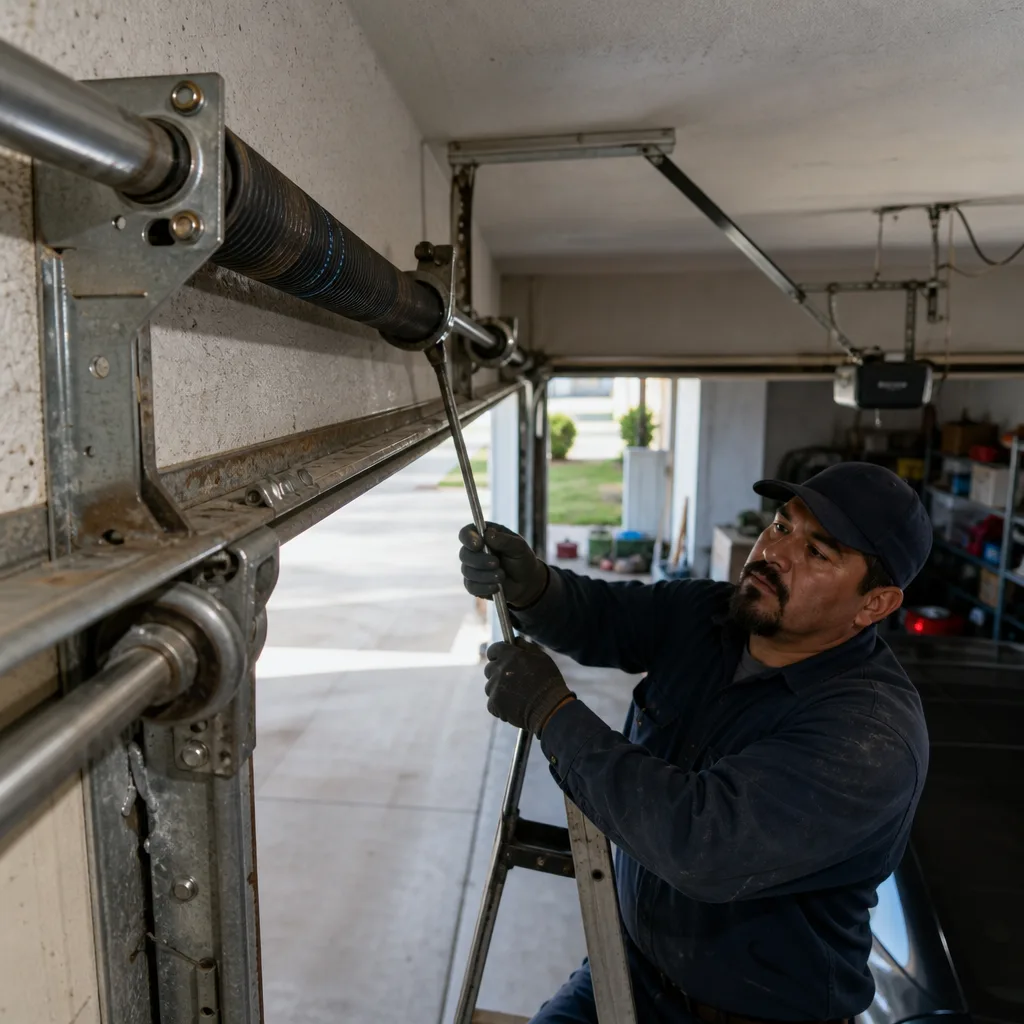
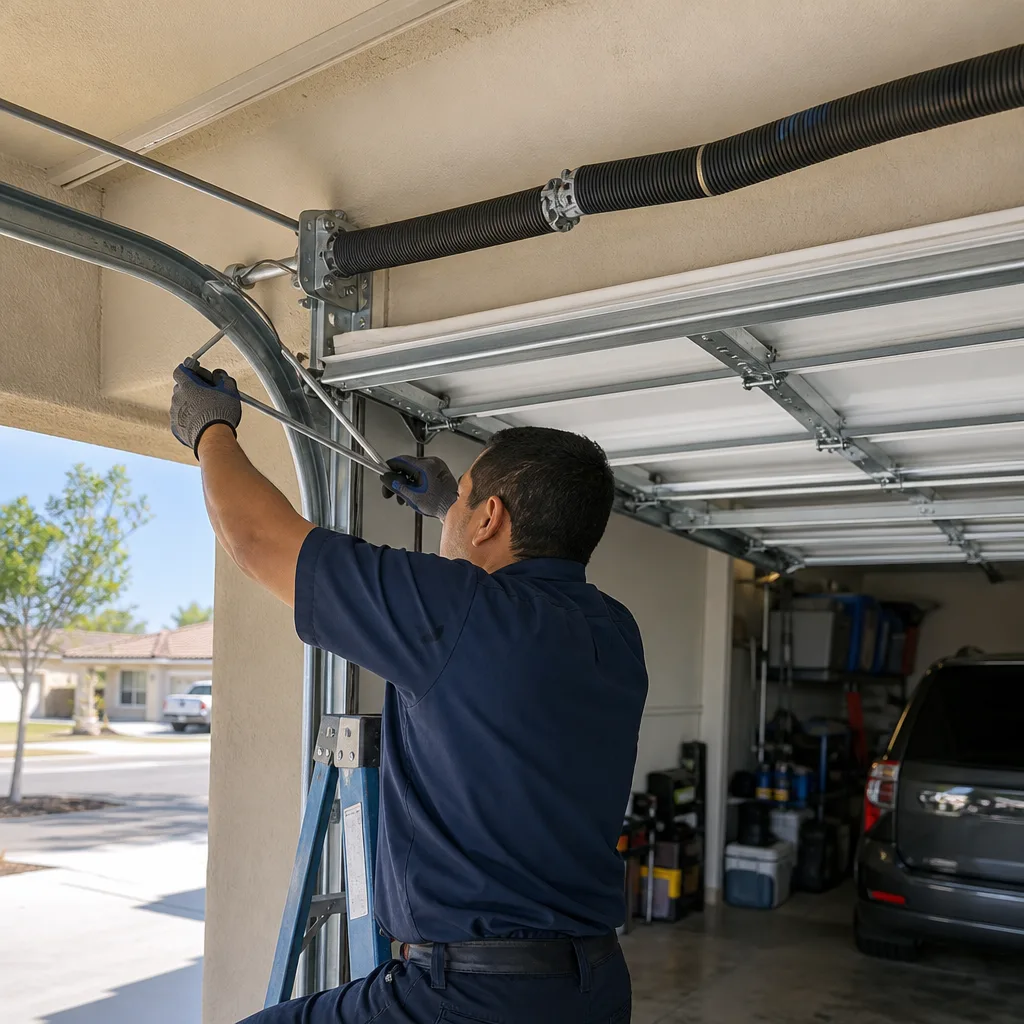
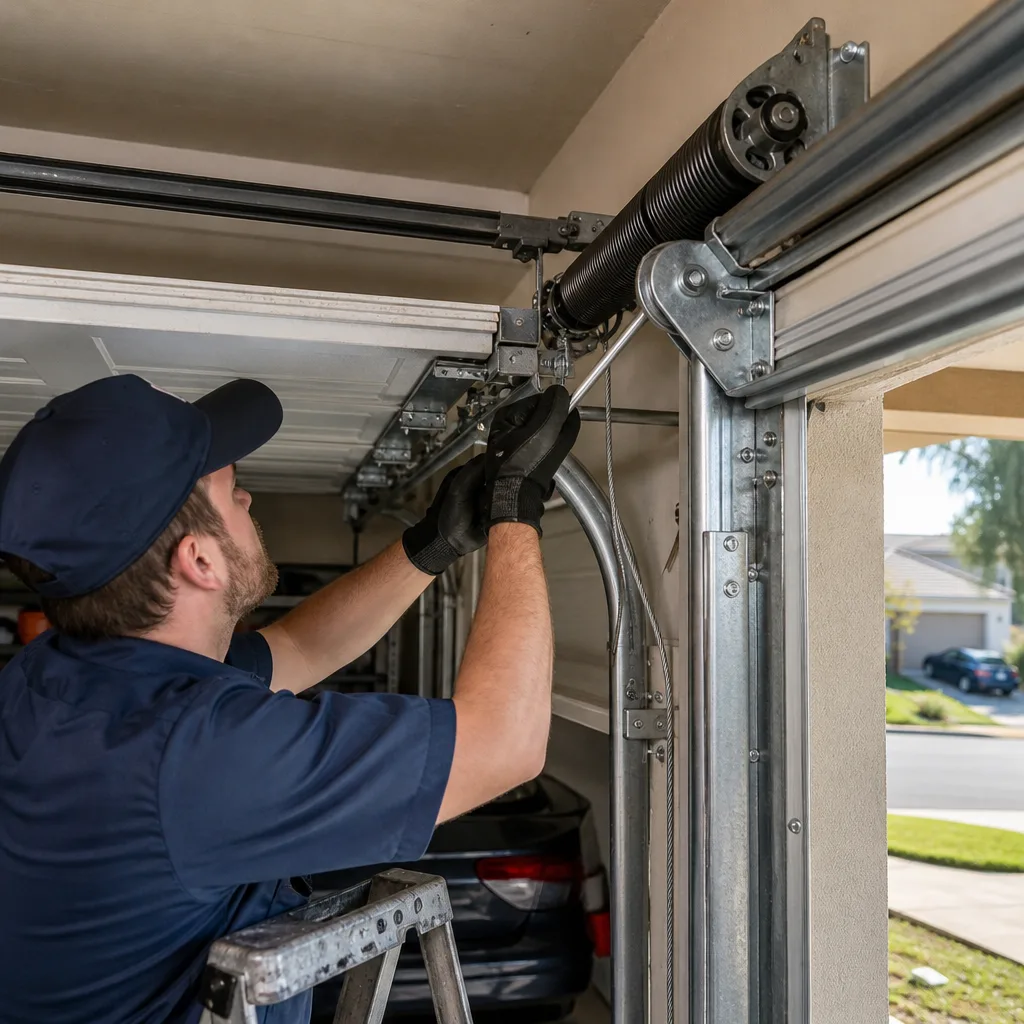
A single loud pop when the door starts moving often comes from the torsion spring as it binds momentarily on the shaft. A repeated popping sound as the door travels suggests the spring is rubbing against its mounting hardware, usually because a bearing plate has shifted. Both are early warning signs of spring fatigue. Here is the safety fact every Moreno Valley homeowner needs to hear: a torsion spring under full tension stores a massive amount of mechanical energy. When one snaps, it releases that energy all at once. This is why spring inspection and replacement is work for a trained professional, never a DIY project. If you hear popping from the spring area weekly, the spring is talking to you. Listen.
Scraping Along the Track
Scraping is different from grinding. Scraping is usually intermittent, and it sounds like metal dragging on metal in one specific spot. Common causes include a section of track that has been knocked out of alignment, a bent panel edge from a minor impact, or a cable that has frayed and is dragging against the track frame. The diagnostic step is to find the exact spot where the scrape occurs by watching the door travel with your eyes at track level. If the scrape corresponds to a specific panel, inspect the panel edge. If it corresponds to a specific track location, check the track bolts. Loose track bolts are one of the cheapest possible repairs on a garage door, and one of the most commonly missed because no one checks them until the track is visibly crooked.
The Slow Creep: Why a Slower Door Is a Bigger Deal Than You Think
A garage door losing speed gradually is the most overlooked warning sign in residential garages. You use the door twice a day. The change happens in 5% increments. By the time a door is moving 20% slower than it did six months prior, most homeowners have normalized the new speed and stopped noticing it. That is a problem, because the slow creep is never an opener problem. It is a mechanical problem.
Why Speed Loss Happens
Your opener moves the door, but the springs do the actual lifting. The opener motor is sized to push a door whose spring system counterbalances its weight. When a torsion spring loses tension, the door effectively gets heavier, and the opener has to work harder to move it. A door that moves slower than it used to is usually a spring losing tension or a cable system developing friction. Here is the sequence we see in Moreno Valley garages:
- The spring loses 5% to 10% of its original tension over years of cycling.
- The door’s effective weight increases, so the opener motor labors harder.
- Each cycle now generates more motor heat, accelerating motor wear.
- The door slows further, the motor runs hotter, and the cycle compounds.
- The spring snaps, or the motor burns out, whichever comes first.
If your door takes noticeably longer to fully open than it did last season, do not assume the opener is getting old. Check the spring first. A spring adjustment is a fraction of the cost of an opener replacement, and it can save the opener entirely.
The Traffic-Light Urgency Framework
Not every warning sign is an emergency. Some demand action today. Some can wait for your next scheduled maintenance. Here is a simple three-tier framework for sorting what you see and hear.
Red Light: Act Today
- Snapped spring or cable: The door will not open, or it drops hard when closing. This is a safety hazard and a functional emergency. Call a repair service immediately.
- Door reversing with no visible obstruction: Beyond heat-related reversal, a door that reverses unexpectedly can be a sensor, wiring, or logic-board issue that leaves your garage unsecured overnight. Act now.
- Acrid electrical smell from the opener: Overheated windings can lead to damage inside the motor, and continuing to run it makes a repair less likely and a replacement more certain.
- Door off its track: If you can see a roller out of the track, or the door hangs at an angle, do not try to cycle it. Call for service. Forcing an off-track door damages panels, tracks, and sometimes the opener.
Yellow Light: Act This Month
- Grinding rollers or scraping sounds: The component is degrading. Repair is cheaper now than after the damage spreads.
- Slow creep: A door that has gradually slowed is telling you the spring system needs attention. Schedule a service call.
- Rust at panel seams or bottom corners: Structural rust spreads. Treat or replace panels before the damage reaches a point where panel replacement becomes a full door replacement.
- Seal gaps: A small gap becomes a bigger one. Seals are inexpensive. The pests and dust they keep out are not.
Green Light: Monitor
- Chalking paint without rust: Cosmetic only. Plan for repainting in the next year.
- Occasional light creaking: Usually normal for an older door. Note when and where it happens, and mention it at your next service visit.
- Slight morning condensation on the inside of the panel: Normal in Moreno Valley’s cool desert mornings. Wipe it down to prevent long-term moisture contact at the bottom seam.
Opener-Specific Warning Signs
Your opener is the most electronic component on the door system, and it fails in patterns that are distinct from mechanical door failures. Understanding these patterns helps you separate an opener issue from a door issue, which matters because the repairs are entirely different.
Intermittent Remote Failure
One press works. The next does not. The wall button works fine every time. This is not usually a remote battery problem, though swapping the battery is the right first check. In our experience, intermittent remote failure on LiftMaster and Chamberlain openers is often a logic-board issue, especially on units manufactured between 2010 and 2017. The receiver section degrades over time and loses the ability to hold a consistent connection with the remote. The pattern to watch: failure gets worse in hot weather, and the remote has to be closer to the door than it used to be. Both point to receiver degradation. A rebuilt or replacement logic board is a much cheaper fix than a full opener.
Door Opens but Won’t Close (or Vice Versa)
When an opener operates in one direction but not the other, the first suspect is the limit switch. Limit switches tell the opener where the door is in its travel. When a switch fails, the opener cannot complete a close or open cycle. This is one of the most commonly misdiagnosed problems in the industry. A door that opens but will not close is often called a “sensor problem” by first-time repair callers. It is frequently a limit switch on the opener. The test: watch the lights on the opener unit. A blinking light pattern corresponds to a diagnostic code in the opener’s manual. If the light blinks a consistent pattern when the door refuses to close, the opener is telling you exactly what it thinks the problem is. Read the code before you start swapping sensors.
Opener Runs but Door Does Not Move
You hear the motor running. The door is not moving. On belt-drive openers, a stripped belt gear is the usual culprit. On chain-drive models, it is the sprocket. LiftMaster and Chamberlain openers use a plastic drive gear that is designed to fail before the motor does, and when it strips, the motor spins without engaging the drive mechanism. The repair is a gear replacement, and it is one of the more common opener repairs we perform in Moreno Valley. Catch it early and the repair is quick. Run the opener with a stripped gear for weeks and you can damage the motor shaft, at which point the repair becomes a replacement.
For a deeper technical breakdown of what has gone wrong with your specific unit, the Dynasty Garage Door Repair home resource covers opener diagnostics across eight major brands including LiftMaster, Chamberlain, Genie, Clopay, Amarr, Wayne Dalton, Craftsman, and Raynor.
Spring and Cable Warning Signs
Springs and cables are the load-bearing components of your door system. When they fail, the door becomes either unusable or dangerous. The warning signs are clearer than most people realize, if you know where to look.
Visible Gap in the Torsion Spring
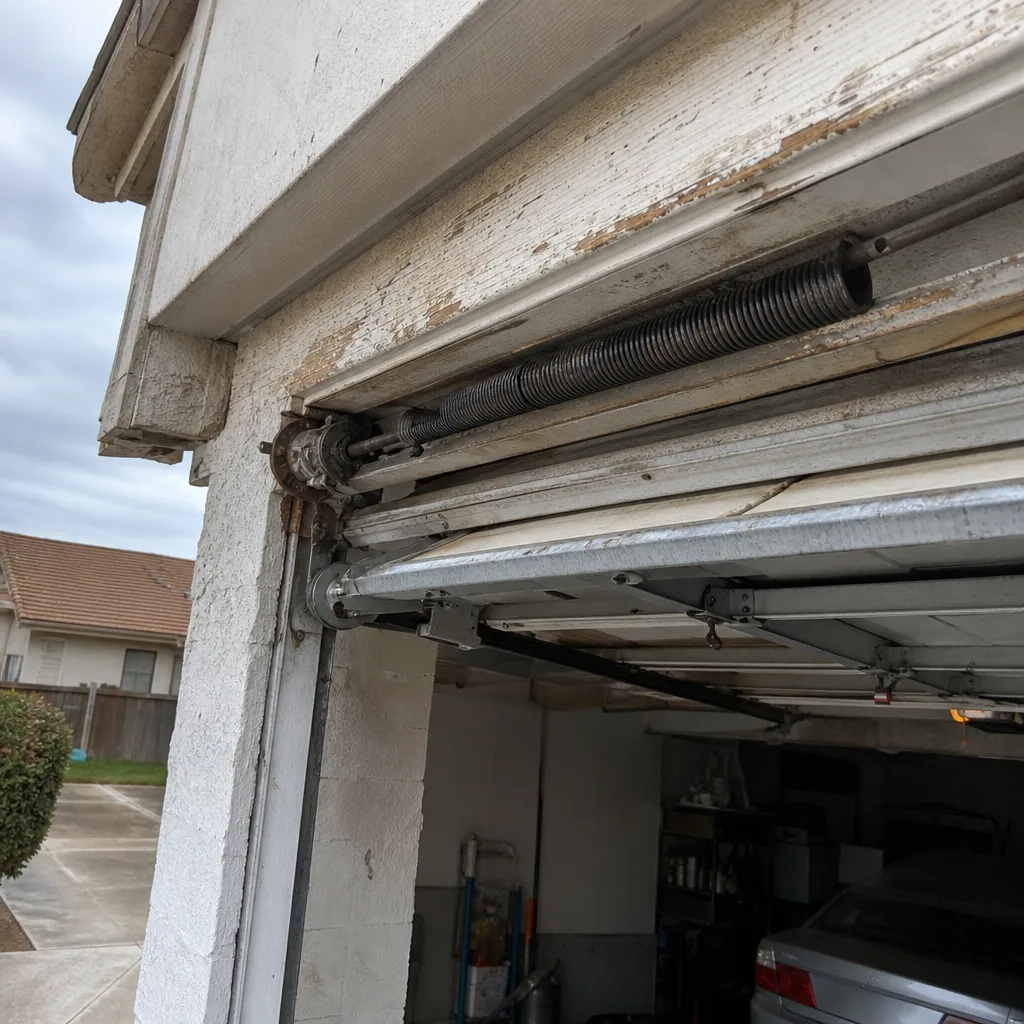
Stand inside your garage with the door closed and look at the spring assembly above the door. In normal operation, a torsion spring is one continuous coil. When the spring begins to fail, you may see a separation in the coil, as if the spring has pulled apart at one point. This is a partial fracture. The spring is still functioning, but it has already begun to break. The remaining portion is now carrying the same load it previously shared, which means the rest of the spring is under increased stress and will fail soon. If you see a visible gap in your torsion spring, you are looking at days or weeks before full failure, not months. Call a professional now.
Frayed or Worn Cables
The cables run alongside the tracks and attach to the bottom of the door. Look at them closely. A healthy cable is smooth with a consistent diameter. A failing cable shows individual wire strands separating, often near the bottom bracket where the cable attaches. You may also see rust on the cable, which is a secondary warning in a dry climate like Moreno Valley’s, but still worth tracking. Cables do not give you the luxury of a long warning period. Once strand separation is visible, the cable has already lost a significant portion of its tensile strength. A cable that snaps under load can whip and cause injury, and the door will drop hard to one side. Both are serious. Treat a frayed cable as a red-light warning sign.
Door Drifting Down When Open
Open your door fully and let go of the wall button. Watch the door. A healthy door stays put. A door that drifts down an inch or two after opening, then stops, has a spring tension problem. The spring is no longer holding enough tension to support the door in the open position. This is an early warning sign that gets worse as the spring continues to fatigue. A door that drifts down significantly or repeatedly is a safety risk to children, pets, and anyone walking under it. Get the spring adjusted before the drift becomes a drop.
Common Mistakes to Avoid
- Lubricating without cleaning first. Spraying lubricant over dirt and old grease creates an abrasive paste that accelerates wear. Wipe the track and rollers clean, then lubricate. A dirty lubricated track is worse than a dry one.
- Adjusting spring tension yourself. More emergency-room visits are caused by torsion spring accidents than any other single garage door maintenance task. Spring work is professional work. There is no version of this job that is safe to improvise.
- Ignoring a slow door and blaming the opener. A slow door is a spring or cable issue. Replacing the opener will not fix it, and the new opener will fail prematurely from the extra load. Diagnose the real problem first.
- Leaving one door panel rusted and hoping it stays contained. Rust spreads along panel seams where the paint is thinnest. One rusted panel corner becomes two rusted panels within a season in Moreno Valley’s dry-wet-dry cycle.
- Replacing the whole opener when only the logic board has failed. An opener that has remote or sensor-control issues often needs a board repair, not a full unit replacement. The difference in cost is hundreds of dollars. Always ask what part actually failed before agreeing to a replacement.
- Running a door with a visible spring gap until it fully breaks. A partially fractured spring will fail completely, and when it does, the door becomes a deadweight slab that can slam down. The warning was visible. Do not wait for the loud snap.
When to Call a Professional
Any red-light sign on the traffic-light framework is an automatic call. Spring gaps, frayed cables, off-track doors, burning smells, and doors that won’t stay up are all in that category. So is any situation where the door has become unsafe to operate with children or pets in the household. For yellow-light signs, a professional inspection is the right next step. Most of these issues are inexpensive to fix early and expensive to fix late. Dynasty Garage Door Repair offers free estimates in Moreno Valley. Call (866) 623-1879 and describe what you are seeing and hearing. We will tell you whether it can wait or needs attention now, and what the likely repair involves. Our team works on all eight of the major-installed brands, including LiftMaster, Chamberlain, Genie, Clopay, Amarr, Wayne Dalton, Craftsman, and Raynor, so we know the specific failure patterns of the opener and door you actually have in your garage. For detailed information on what a full Garage Door Repair in Moreno Valley service includes, see our dedicated page.
Frequently Asked Questions
Heat-related reversal almost always means the opener’s motor is hitting its thermal limit. The motor overheats in the garage heat, the thermal cutout trips, and the control board reverses the door to protect the motor. If this happens more than twice in one summer, the motor is failing and should be inspected before it quits entirely. Call (866) 623-1879 for a diagnosis.
Look for a visible gap in the torsion spring coil, listen for popping sounds near the spring during operation, and watch whether the door drifts down after opening. Any one of these signs indicates the spring is losing tension and should be replaced by a professional before it snaps.
A door that opens or closes slower than it did six months ago is usually a spring losing tension or a cable system developing friction. The opener motor is working harder to move a heavier door. This is a mechanical problem, not an opener problem, and it will get worse if ignored.
Most residential torsion springs are rated for roughly 10,000 cycles, which translates to 7 to 12 years of normal use. Moreno Valley’s heat does not directly shorten spring life, but it does accelerate the breakdown of the spring’s protective coating, which can lead to earlier corrosion and failure on older springs. If your springs are past the seven-year mark and you have noticed any warning signs, a professional inspection is the right call.
Yes, if the door model is still in production and the panel damage is isolated. Panel replacement is more common on higher-volume brands like Clopay and Amarr, while older Wayne Dalton or Raynor doors may require sourcing from a specialty supplier. The decision comes down to age, condition of the remaining panels, and whether the replacement panel matches the existing door’s finish. For a free assessment in Moreno Valley, call (866) 623-1879.
The most likely cause is a stripped drive gear. The motor spins, but the gear that connects it to the belt or chain has lost its teeth. This is a common repair on LiftMaster and Chamberlain openers, and it is worth fixing on a unit that is otherwise in good condition. The repair cost is well below the cost of a new opener.
The Bottom Line
Garage doors warn you before they fail. The warnings are visible, audible, and measurable, and most of them appear weeks before a breakdown. Heat-related opener behavior, UV-exposed panel deterioration, slow creep in operation speed, and specific sound signatures from the springs, rollers, and cables all point to predictable failures. The homeowner who catches these signs early saves hundreds of dollars and avoids the 7 a.m. discovery of a car trapped in the garage. If you have noticed any of the signs in this guide, call (866) 623-1879 for a free estimate from a specialist who knows your exact brand and system.
Written by the team at Dynasty Garage Door Repair, serving Moreno Valley since 2017.
See the difference
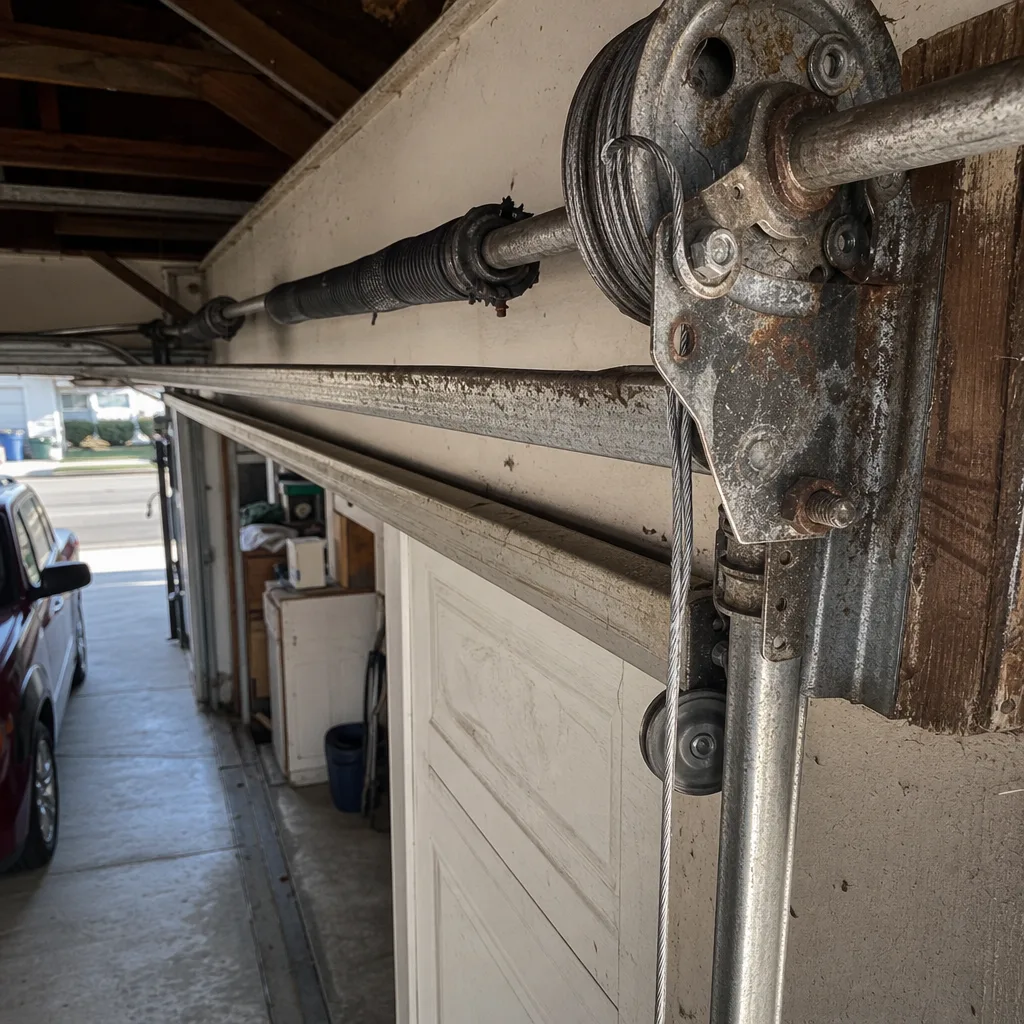 Before
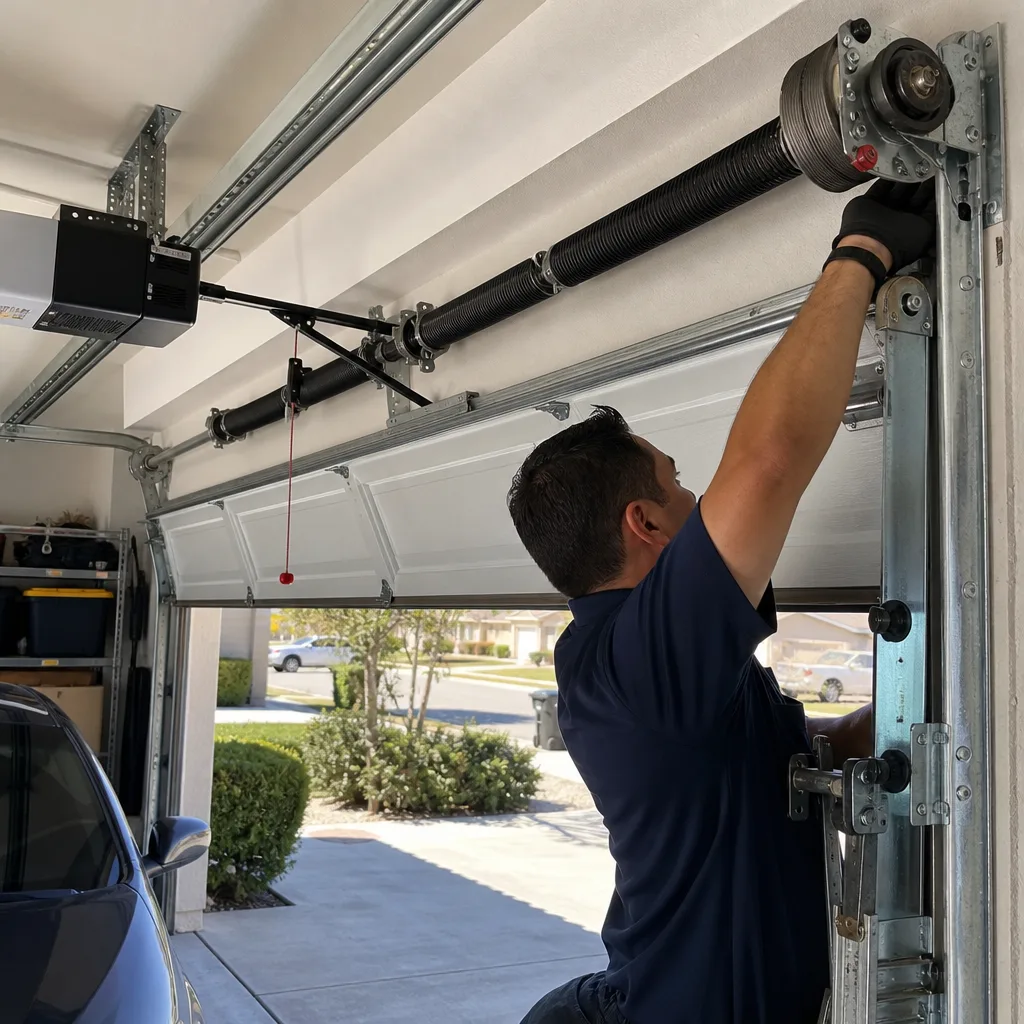 After
 Before
 After
 Before
 After