
Last updated November 2, 2026
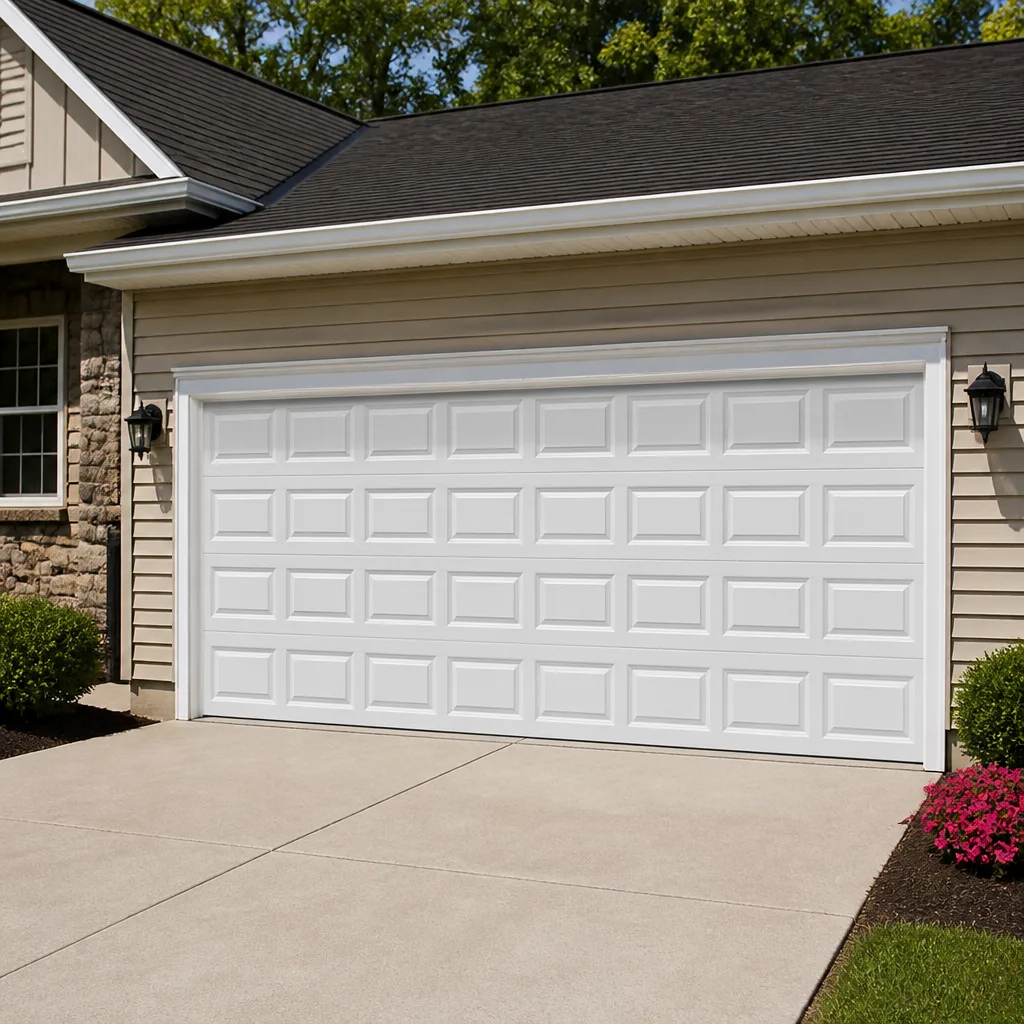 Raised-panel steel
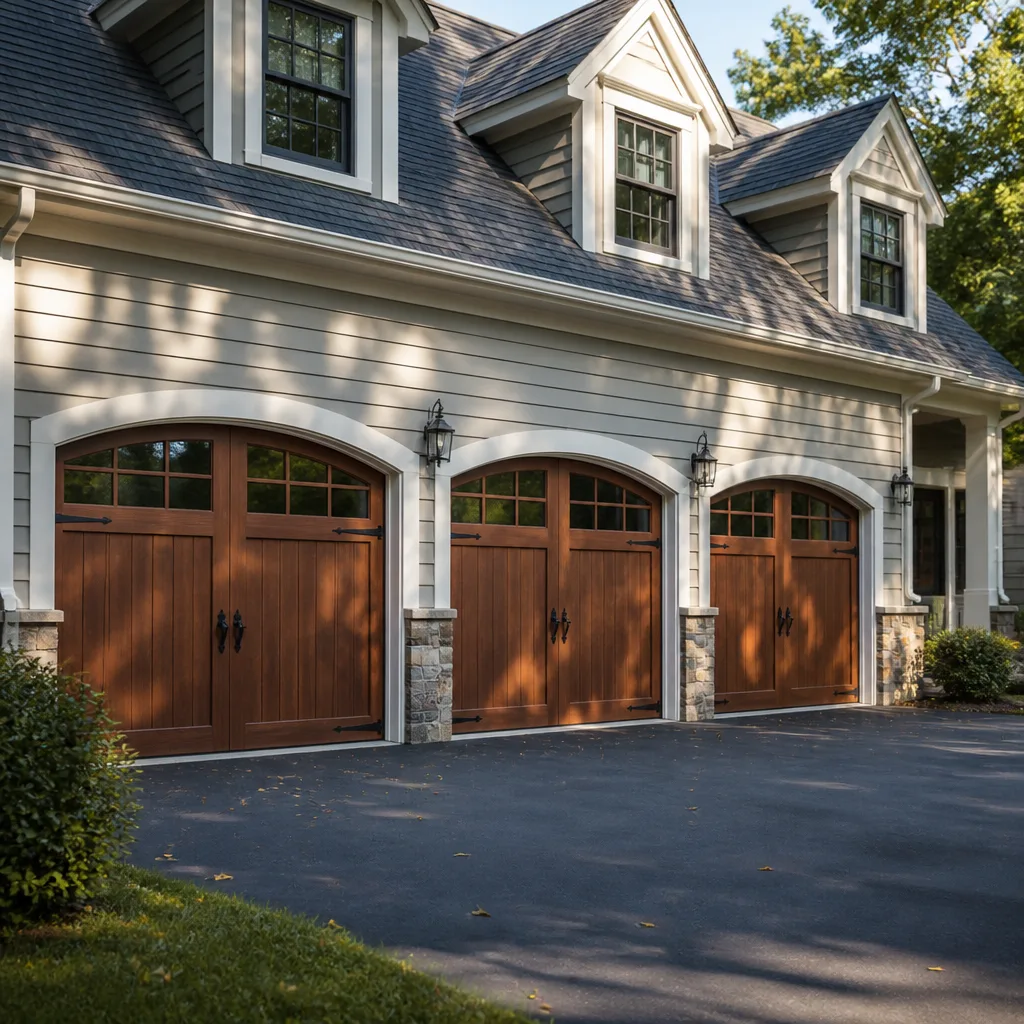 Carriage house
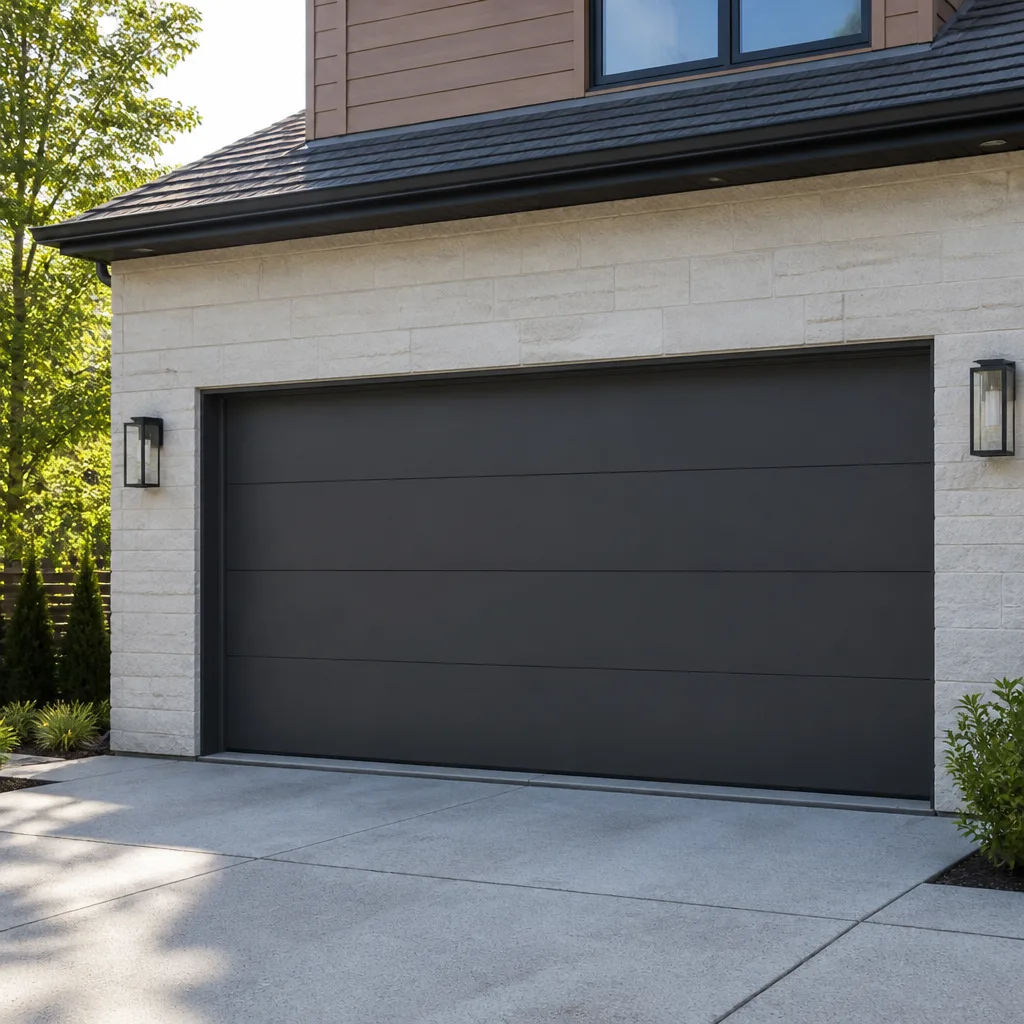 Modern flush
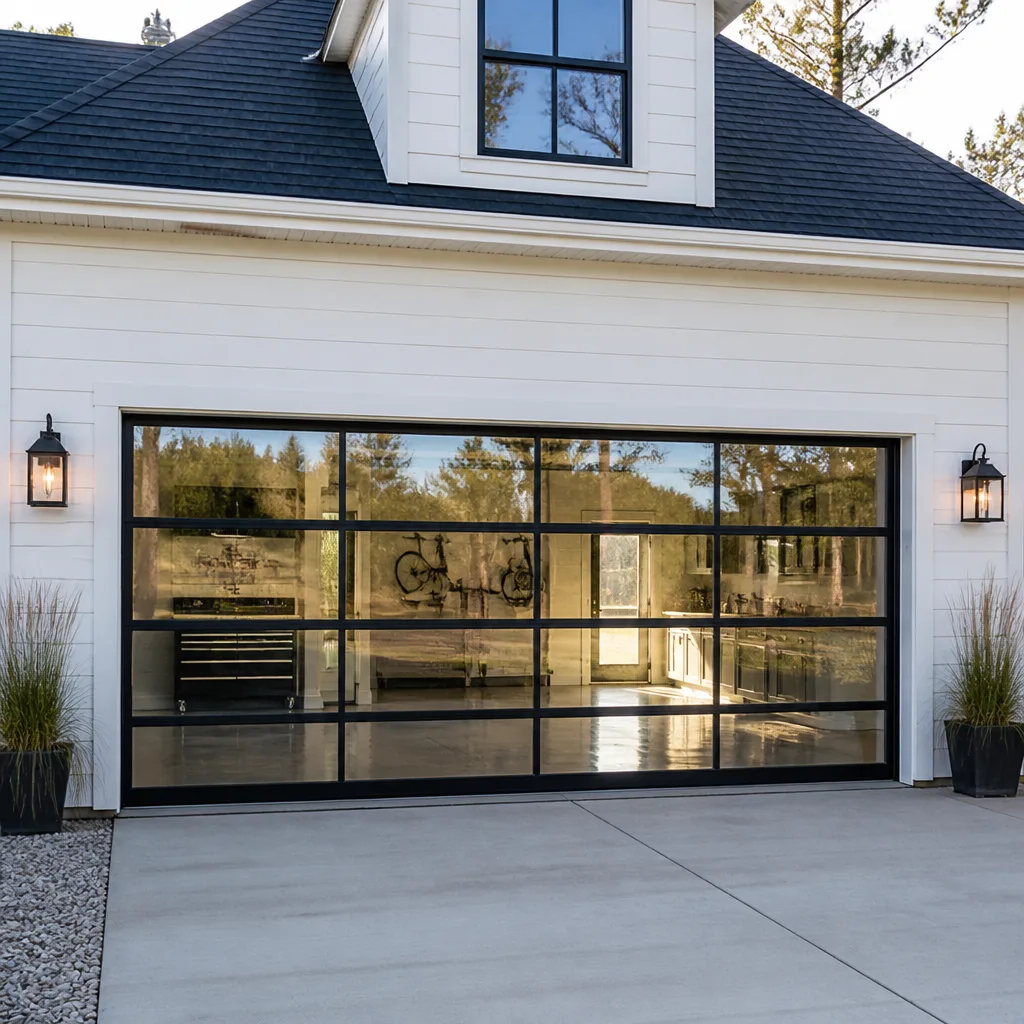 Full-view glass
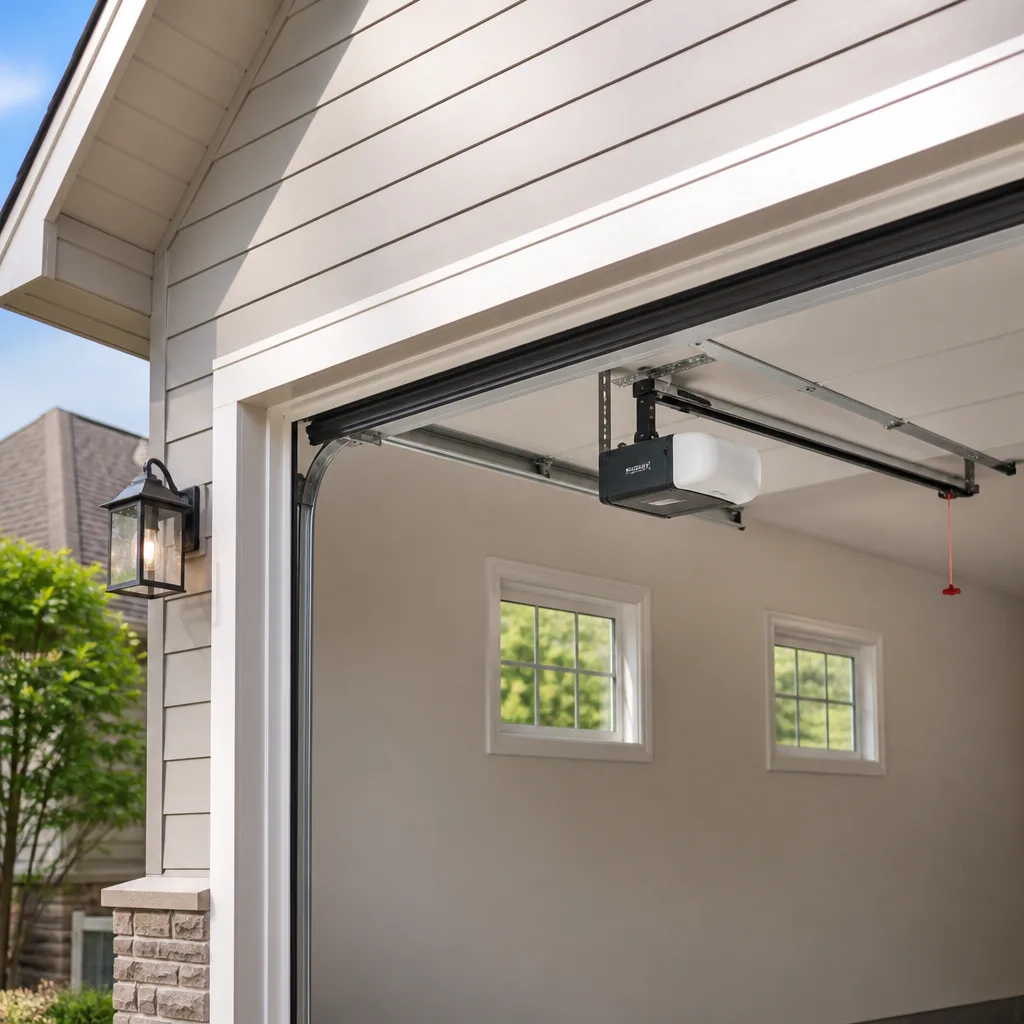 LiftMaster openers
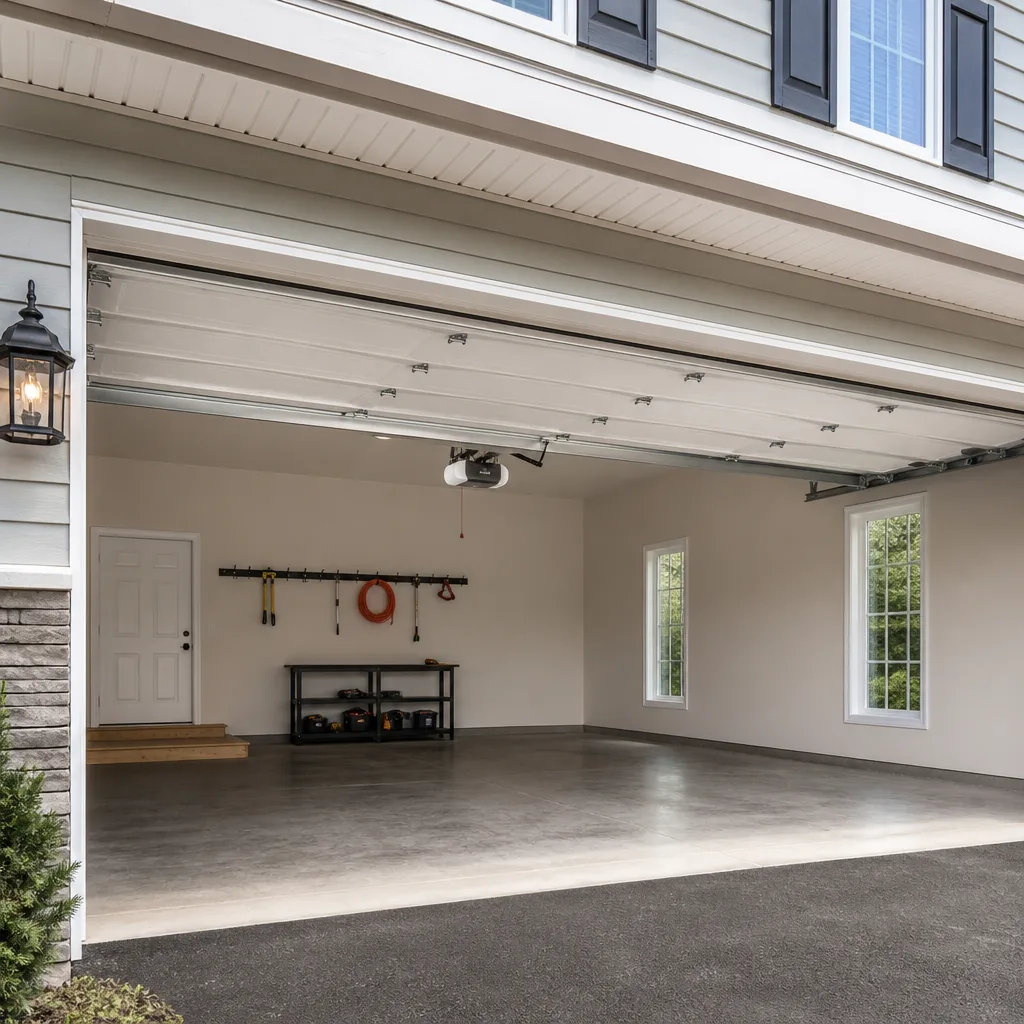 Chamberlain openers
Full 25-point door and opener safety check with every visit - springs, cables, rollers, tracks, and your LiftMaster or Chamberlain opener included
You get a price before we start. It does not change when the truck arrives.
Get your free estimateGarage Door Permits, Codes & Inspections in CA: What You Need to Know
A Moreno Valley homeowner replaced both garage doors and their openers without pulling a permit. Two years later, when they sold the house, the buyer’s inspector flagged the work. The lender refused to close until a retroactive permit and inspection were completed, which delayed the sale by three weeks and cost the seller thousands in rush fees. The homeowner’s mistake was not doing the work wrong. It was assuming California treats garage door replacement like swapping a faucet. In many cases, it does. In others, it absolutely does not. This guide covers exactly when a permit is required in Moreno Valley, what the California Residential Code says, what inspectors actually check, and how to handle unpermitted work before it becomes someone else’s problem. For Garage Door Warning Signs: A Moreno Valley Homeowner’s Reference Guide on spotting trouble early, see our related resource. We’ll also explain why the seismic disconnect rule applies to every single opener in the state, regardless of brand or year installed.
Styles & brands we work with
- Raised-panel steel
- Carriage house
- Modern flush
- Full-view glass
- LiftMaster openers
- Chamberlain openers
Quick Answer
Most like-for-like garage door replacements in California do not require a building permit. A permit is required when the opening is enlarged, the header is altered, a fire-rated door between the garage and living space is replaced, or structural framing changes. In Moreno Valley, the Building & Safety Division follows California Residential Code Section R105.2 with local amendments, and all openers must meet UL 325 safety standards, including a functioning auto-reverse and seismic disconnect. When in doubt, call the city first. An hour on the phone saves weeks at resale.
Table of Contents
- When a Garage Door Permit Is Required in California
- Moreno Valley Permit Requirements: What the Building & Safety Division Enforces
- Fire-Rated Doors: The Most Misunderstood Code in Garage Conversions
- UL 325 and Seismic Disconnects: What Every Opener Needs
- How Unpermitted Work Surfaces at Resale
- Step-by-Step: Pulling a Garage Door Permit in Moreno Valley
- Common Mistakes to Avoid
- When to Call a Professional
- Frequently Asked Questions
- The Bottom Line
When a Garage Door Permit Is Required in California
California Residential Code (CRC) Section R105.2 lists the specific work that triggers a permit. For garage doors, most homeowners miss three triggers because they do not read the code, they read summaries of the code written by people who also did not read it. The first trigger is structural: if you change the size of the opening, alter the header, or modify load-bearing framing, you need a permit. Period. The second trigger is fire rating: if the door between your garage and your living space is a fire-rated assembly, replacing it with a non-rated door is a code violation, and swapping it correctly often requires a permit. The third trigger is electrical: adding a new opener circuit or relocating the opener outlet requires a permit under the electrical provisions of the same code.
What does not require a permit in most California jurisdictions is simpler to describe. Replacing an existing sectional door with a new door of the same size, same track configuration, and same mounting points is considered a like-for-like replacement and is exempt under the code’s “ordinary repairs” language. Replacing an opener with a new opener plugged into an existing outlet is also exempt in most cities. The key distinction is whether the work changes the building’s structural or fire-safety characteristics. If it does not, no permit. If it does, permit.
Here is what we see in the field: a homeowner buys a larger door to fit a taller truck, widens the rough opening by six inches, and assumes the installer will handle everything. The installer cuts the studs, removes a section of the header, and finishes the job. Five years later, a building inspector notices the header splice during an unrelated inspection. Now the homeowner is pulling a retroactive permit for structural work that should have been engineered. The cost is triple what the original permit would have been.
The Three Permit Triggers Under CRC R105.2
- Structural alteration: enlarging the opening, changing the header, or modifying wall framing in any way.
- Fire-rated assembly replacement: replacing a fire-rated door or frame between the garage and the residence without an approved equivalent.
- Electrical work: new circuits, new outlets, or any wiring change beyond plugging an opener into an existing receptacle.
Moreno Valley Permit Requirements: What the Building & Safety Division Enforces
Moreno Valley’s Building & Safety Division operates under the California Building Standards Code with local amendments adopted in the Moreno Valley Municipal Code. The city’s position on garage doors is consistent with CRC R105.2, but the enforcement culture matters. Moreno Valley inspectors in our experience are thorough on fire-rated doors and seismic disconnects and less interested in chasing like-for-like replacements. The practical takeaway: if you live in Moreno Valley and you are swapping a standard sectional door for another standard sectional door, you will rarely need a permit. If you live in Sunnymead Ranch or Hidden Springs and your home was built after 2000, your garage-to-interior door is almost certainly fire-rated, and the city will care if you replace it without proper documentation.
The city’s building counter at 14177 Frederick Street handles permit applications, and the planning division reviews garage door changes that affect street-facing elevations in certain planned communities. Some Moreno Valley HOAs, particularly in newer developments north of the 60, have architectural review requirements that go beyond city code. A garage door style change from raised panel to full-view glass might sail through the city and stall at the HOA. Always check both layers.
Turnaround times in Moreno Valley are faster than most of Riverside County. An over-the-counter permit for a simple door replacement, when required, is frequently issued the same day. A structural permit requiring plan review typically takes five to ten business days. If you are replacing a door and opener together, the opener portion rarely adds review time unless new circuits are involved.
Fire-Rated Doors: The Most Misunderstood Code in Garage Conversions
The garage-to-house door is the single most inspected fire-safety element in a California home. When a garage is attached to a residence, the wall between them must be a one-hour fire-rated assembly, and the door in that assembly must carry a 20-minute fire rating. This applies to the pedestrian door, not the vehicle door. What most homeowners in Moreno Valley do not realize is that the vehicle door itself is not required to be fire-rated in most single-family residences. The confusion comes from commercial code and from older local amendments in other states.
The pedestrian door is a different story. If you replace the door between your garage and your laundry room or hallway with a standard interior door from a big-box store, you have just violated California fire code. Inspectors catch this during resale inspections, refinance appraisals, and even solar permit inspections when the inspector walks through the garage. A correct replacement is a 20-minute fire-rated door in a steel frame, or a solid-core wood door at least 1 3/8 inches thick in many legacy configurations, installed with self-closing hinges and weather stripping per CRC Section R302.5.1. Moreno Valley inspectors check the closer, too. A fire-rated door with a broken self-closing hinge fails inspection.
When the fire-rated door is replaced, many cities including Moreno Valley require a permit because the replacement touches the fire-rated assembly. A like-for-like swap of a fire-rated door for a fire-rated door may be cosmetic, but the city often still wants a simple permit to verify the replacement meets the rating. The fee is nominal. The alternative is discovering at resale that your unpermitted door swap must be redone.
UL 325 and Seismic Disconnects: What Every Opener Needs
Every automatic garage door opener sold and installed in California must comply with UL 325, the national standard for automatic gate and door operators. UL 325 requires a primary entrapment protection system: the opener must reverse when it encounters resistance, and it must include a secondary entrapment protection device, typically photo-eye sensors mounted no higher than six inches above the floor on either side of the opening. If either the auto-reverse or the photo eyes fail, the opener fails inspection. We see this constantly with older Raynor and Genie units where the sensors have been wired around by a previous owner.
California’s seismic provision is the part most homeowners have never heard of. Because California is seismic design category D throughout most of the state, UL 325 compliance in California requires an emergency disconnect means. In practice, this means the opener must have a manual release that can be operated from the ground without tools. Inspectors in Moreno Valley check the red emergency release handle, its position, and whether it functions. A seized release mechanism on a LiftMaster or Chamberlain opener is a common fail point. The disconnect is not decorative. It exists so a person can manually open the door in the aftermath of an earthquake when power is out and the door may be racked in its tracks.
If you are installing a new opener in Moreno Valley, and the work is permitted, the inspector will test the auto-reverse with a two-by-four laid flat and will check the photo eyes by blocking the beam. They will also verify the wall control is placed at least five feet above the floor, out of reach of small children. These checks take five minutes. They catch real problems. We support them.
How Unpermitted Work Surfaces at Resale
Unpermitted garage door work enters the resale transaction through three channels. The first is the seller disclosure form. California law requires sellers to disclose all known unpermitted work. If you replaced a door without a permit and you know it, you must say so. Sellers who answer “no” and are later proven wrong face civil liability. The second channel is the buyer’s home inspection. Inspectors compare the home’s condition to the permit history on file with the city. A newer door with no matching permit raises a flag, and the inspector calls it out. The third channel is the appraisal. An appraiser who sees a permitted-addition discrepancy or an obvious structural change without permits will note it, and underwriters will require resolution before funding.
The retroactive permit process in Moreno Valley is not punitive. The city wants compliance, not punishment. But retroactive permits cost more and take longer because the work must be opened up for inspection. If a header modification lies behind finished drywall, the inspector may require the drywall to be removed to expose the framing. That is a multi-day, multi-trade job. A permit pulled before work starts would have required a simple framing inspection before the drywall went up. The original permit might have cost $150. The retroactive version costs thousands when you factor in drywall, texture, paint, and your own time.
In Moreno Valley specifically, the Building & Safety Division will work with homeowners on retroactive permits, and the process is straightforward if the work was done to code. If the unpermitted work was also under-code, you may be required to bring it up to current standards before the permit is issued. This is how a $600 unpermitted door swap becomes a $4,000 correction.
Step-by-Step: Pulling a Garage Door Permit in Moreno Valley
The process for pulling a garage door permit in Moreno Valley depends on the scope. Here is the sequence for a typical structural or fire-rated replacement. For a like-for-like replacement, skip to step 2: you will likely be told no permit is needed, and that answer is worth documenting in an email or a written note from the counter.
- Determine if the work is permit-required. Call the Moreno Valley Building & Safety Division at 14177 Frederick Street or visit the counter. Describe the exact scope. If you are replacing like-for-like, ask them to confirm in writing that no permit is required. Keep that confirmation.
- Prepare a simple drawing. For structural work, you need a basic elevation and plan showing the existing opening size, the new opening size, and the header detail. You do not need an architect for a standard residential garage door swap, but you do need accurate dimensions.
- Submit the application. In person at the building counter or online through the city’s permit portal. Fees vary, but a simple garage door permit in Moreno Valley is typically in the low hundreds. Structural review adds a plan-check fee.
- Wait for plan review. Over-the-counter permits for simple replacements are issued same day. Structural permits requiring engineering review run five to ten business days in Moreno Valley.
- Perform the work. If this is a structural job, the inspector will want to see the header and framing before it is covered. Call for the rough inspection the day after the header is in place.
- Schedule the final inspection. The inspector checks the door operation, fire rating if applicable, UL 325 opener functions, and seismic disconnect. Pass the final, and the permit is closed out with the city.
If you are working with a contractor, the contractor should pull the permit under their license. Confirm this before work starts. A contractor who asks you to pull the permit yourself is offloading liability. The permit process in Moreno Valley is there to protect you, not to generate revenue. The fees barely cover the cost of inspection.
We would add one thing: if you are replacing a sectional door and an opener at the same time, and the door is like-for-like but the opener is new, the permit question only applies to the door. The opener is an appliance plugged into an outlet. That distinction trips up more homeowners in Moreno Valley than any other single point of confusion.
What Inspectors in Moreno Valley Actually Check
- Header condition: no sagging, correct size for span, properly seated on king studs.
- Fire-rating continuity: if the pedestrian door or walls were touched, rating must be intact.
- Opener safety: auto-reverse works, photo eyes aligned and low, wall control height correct.
- Seismic disconnect: emergency release handle present and functional from floor level.
- Track mounting: hung from the structure with proper hardware, not drywall anchors.
Common Mistakes to Avoid
- Assuming all garage door work is permit-free. Like-for-like replacement is exempt. Enlarging the opening, touching the header, or replacing a fire-rated pedestrian door is not. The distinction is structural and fire-safety related, not cosmetic.
- Skipping the Moreno Valley building counter call. A ten-minute phone call or in-person visit gives you a written or recorded answer. Without it, you are working on assumption. Assumptions do not hold up at resale.
- Wiring around photo eyes. We see this on older Raynor and Genie openers where the sensors failed and someone bypassed them. This is a UL 325 violation and a safety hazard. It also fails inspection every time.
- Replacing the fire-rated pedestrian door with a standard interior door. This happens constantly. A standard hollow-core door between the garage and the house is a California fire code violation, and Moreno Valley inspectors catch it.
- Ignoring HOA review in planned communities. Homes in newer Moreno Valley developments often have architectural guidelines that require HOA approval before a garage door style change. HOA enforcement is separate from city enforcement, and both can hold up a sale.
- Assuming the opener’s manual release works without testing it. The seismic disconnect is a California-specific inspection point. A seized release handle fails the final. Test it before the inspector arrives.
- Not keeping permit records. If you pulled a permit for garage door work, keep the signed final inspection card with your closing documents. When you sell, that piece of paper is worth more than the receipt for the door itself.
When to Call a Professional
Some garage door work is safe to evaluate on your own. Other work is not. If you are replacing a door on an existing opening with no structural changes, and the opener is already mounted and plugged in, this is a mechanical job that experienced homeowners can manage. But if the opening size changes, the header gets touched, or a fire-rated assembly is involved, call someone who has done this before and who carries the liability for the permit. High-tension springs are also not a DIY repair item. A torsion spring under load stores enough energy to cause serious injury. We do not train homeowners to replace springs, and neither should anyone else.
Our core work is repair, opener diagnosis, and installation of the exact brands homeowners in Moreno Valley already own: LiftMaster, Chamberlain, Genie, Clopay, Amarr, Wayne Dalton, Craftsman, and Raynor. We know these systems because garage doors are all we do. Dynasty Garage Door Repair home details our full scope. For garage door repair in Moreno Valley, including track work and panel replacement, our team handles the job, the permit questions, and the inspection. For garage door opener repair in Moreno Valley, we diagnose UL 325 compliance issues and fix sensor, force, and release problems before an inspector ever sees them. For garage door installation in Moreno Valley, we manage the entire permit process from that first city counter call through the final sign-off. Garage doors are the only trade we practice, and the permit process is part of the job, not a footnote to it.
Dynasty Garage Door Repair offers free estimates in Moreno Valley. Call (866) 623-1879 to have a specialist look at your door and tell you straight whether your project needs a permit. The estimate is free, and the answer is honest.
Frequently Asked Questions
In most cases, no permit is required for a like-for-like replacement of the same size door with the same track configuration and mounting points. A permit is required if the opening size changes, the header is modified, a fire-rated door is replaced, or structural framing is touched. When in doubt, call Moreno Valley’s Building & Safety Division and ask for a written confirmation either way. Call (866) 623-1879 if you want us to check for you during a free estimate.
No, replacing an opener that plugs into an existing outlet is considered an ordinary repair in Moreno Valley and does not require a permit under CRC R105.2. The work must still meet UL 325 safety standards, including auto-reverse and photo-eye sensors. If the replacement involves a new circuit or new outlet, the electrical portion requires a permit.
A simple permit for a fire-rated door replacement or minor structural work is typically in the low hundreds at the Moreno Valley building counter. Structural permits requiring plan review cost more. The exact fee depends on valuation and scope. Call the city for a current fee schedule, or call (866) 623-1879 and we will include permit costs in your free estimate.
Yes. Unpermitted structural or fire-rated work must be disclosed on the seller disclosure form, and buyers’ inspectors and lenders flag it during escrow. A retroactive permit in Moreno Valley is possible, but it costs more and takes longer than pulling the permit before work begins. In the worst case, a lender will delay closing until the permit is resolved.
Yes. Under UL 325 compliance for seismic design category D, every automatic opener in California must have a manual release operable from floor level without tools. This is one of the items Moreno Valley inspectors check on every permitted opener installation. Test the red release handle regularly.
Yes. The pedestrian door between an attached garage and living space must be a 20-minute fire-rated door, or a solid-core wood door in legacy configurations, with self-closing hinges per CRC Section R302.5.1. Replacing it with a standard interior door is a code violation and a common inspection fail in Moreno Valley.
The Bottom Line
Most garage door replacements in California do not need a permit, but the exceptions are specific and costly to ignore. Like-for-like swaps are exempt. Structural changes, fire-rated door replacements, and electrical work are not. Moreno Valley’s Building & Safety Division enforces the California Residential Code consistently, and inspectors focus on the items that matter most: header integrity, fire-rating continuity, UL 325 opener safety, and the seismic disconnect. Unpermitted work will surface at resale through disclosures, inspections, and appraisals, and fixing it retroactively costs far more than doing it right the first time. The smart move is simple: verify before you build, keep your permit records, and hire a garage door specialist who understands Moreno Valley’s process. Browse more guides & resources from our team to stay informed on local requirements and best practices. Call Dynasty Garage Door Repair at (866) 623-1879 for a free estimate, and we will answer the permit question before you pay a dollar.
Written by the team at Dynasty Garage Door Repair, serving Moreno Valley since 2017.
See the difference
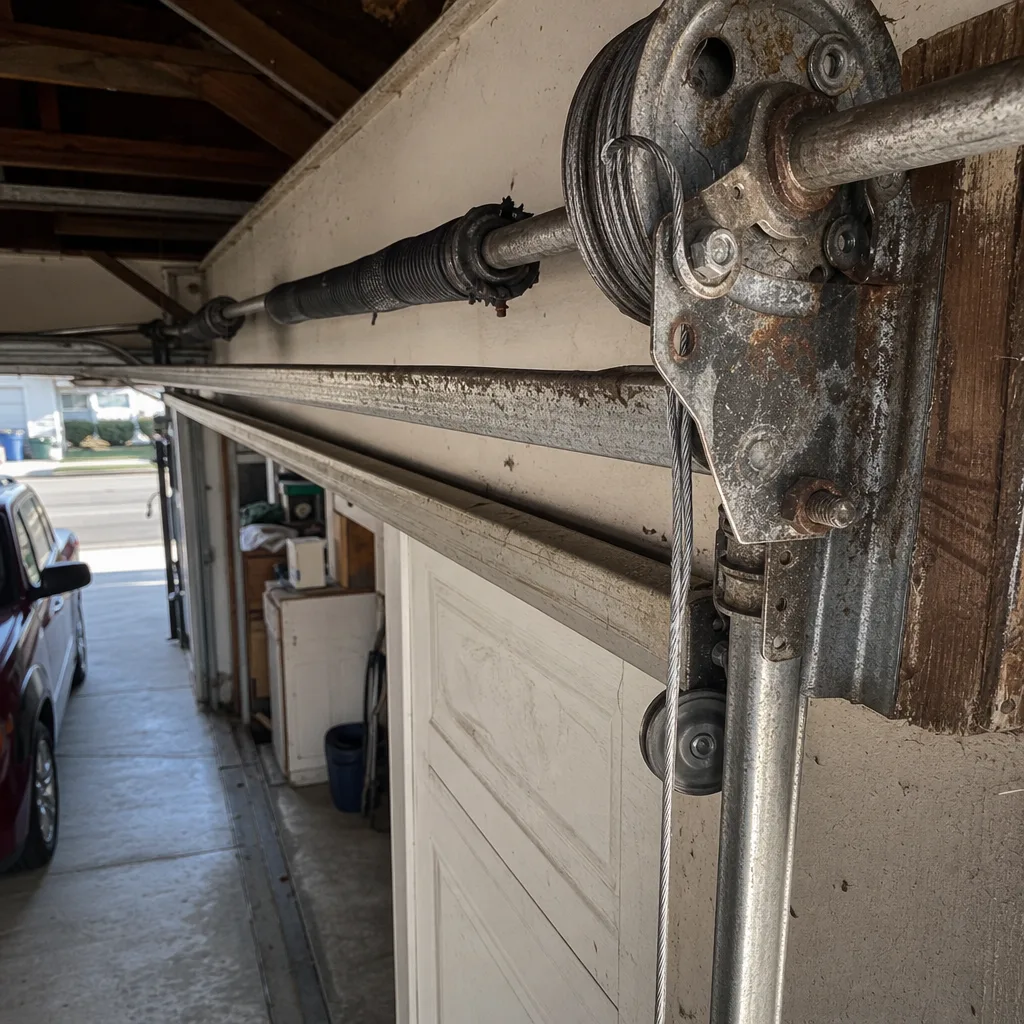 Before
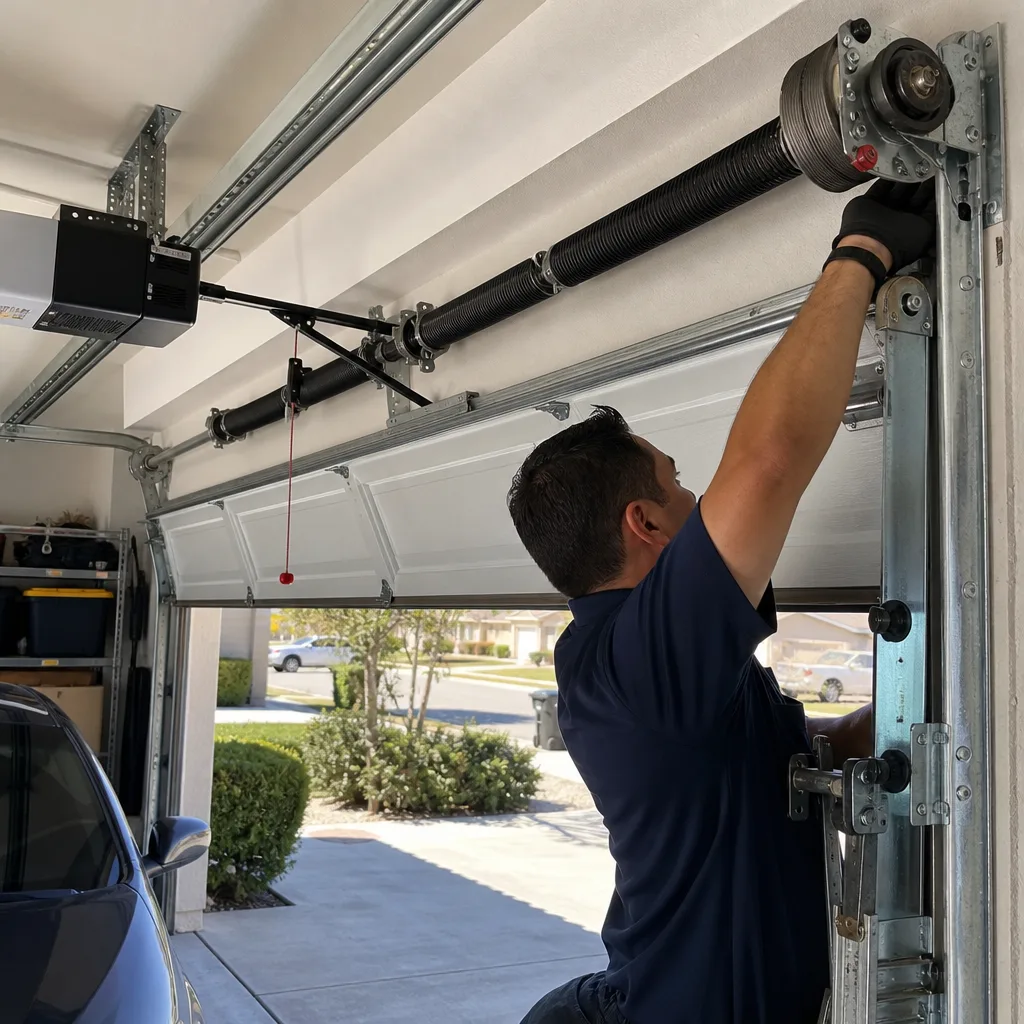 After
 Before
 After
 Before
 After