
Last updated November 2, 2026
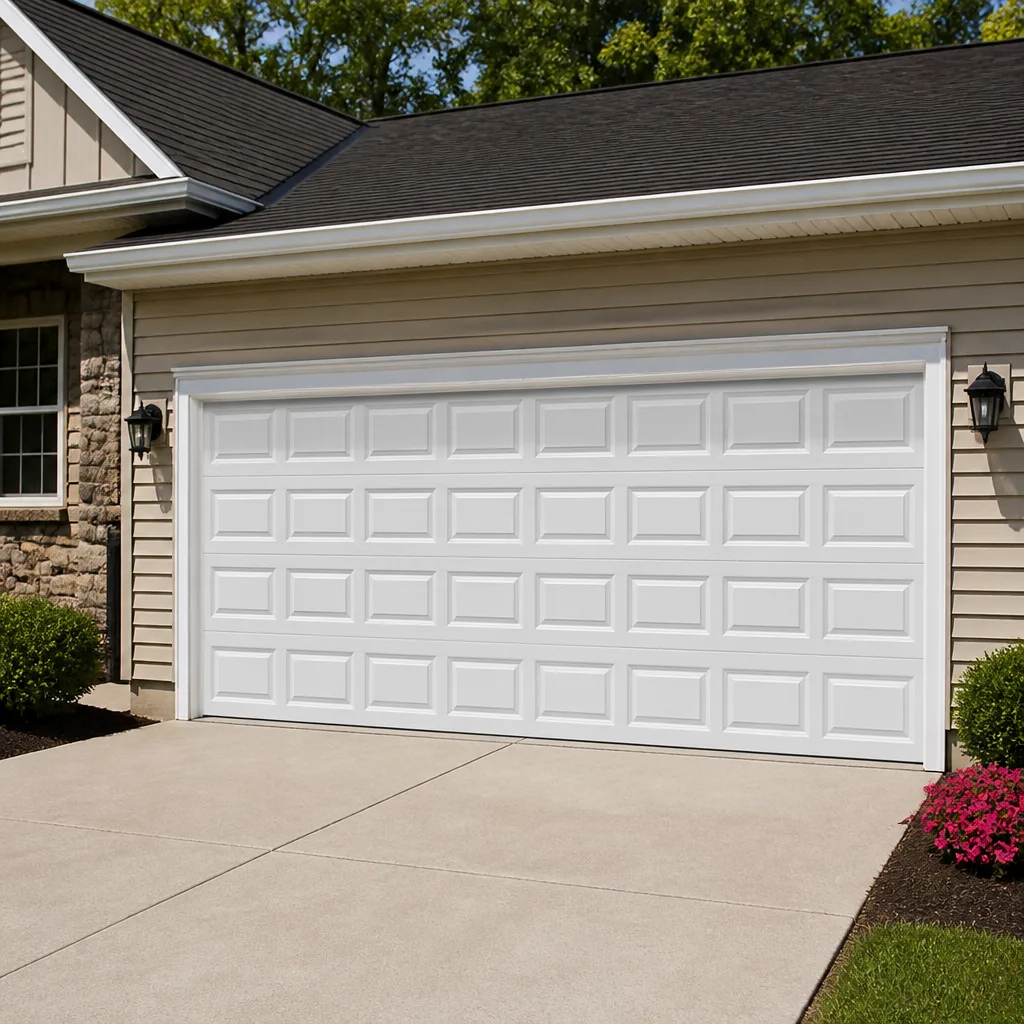 Raised-panel steel
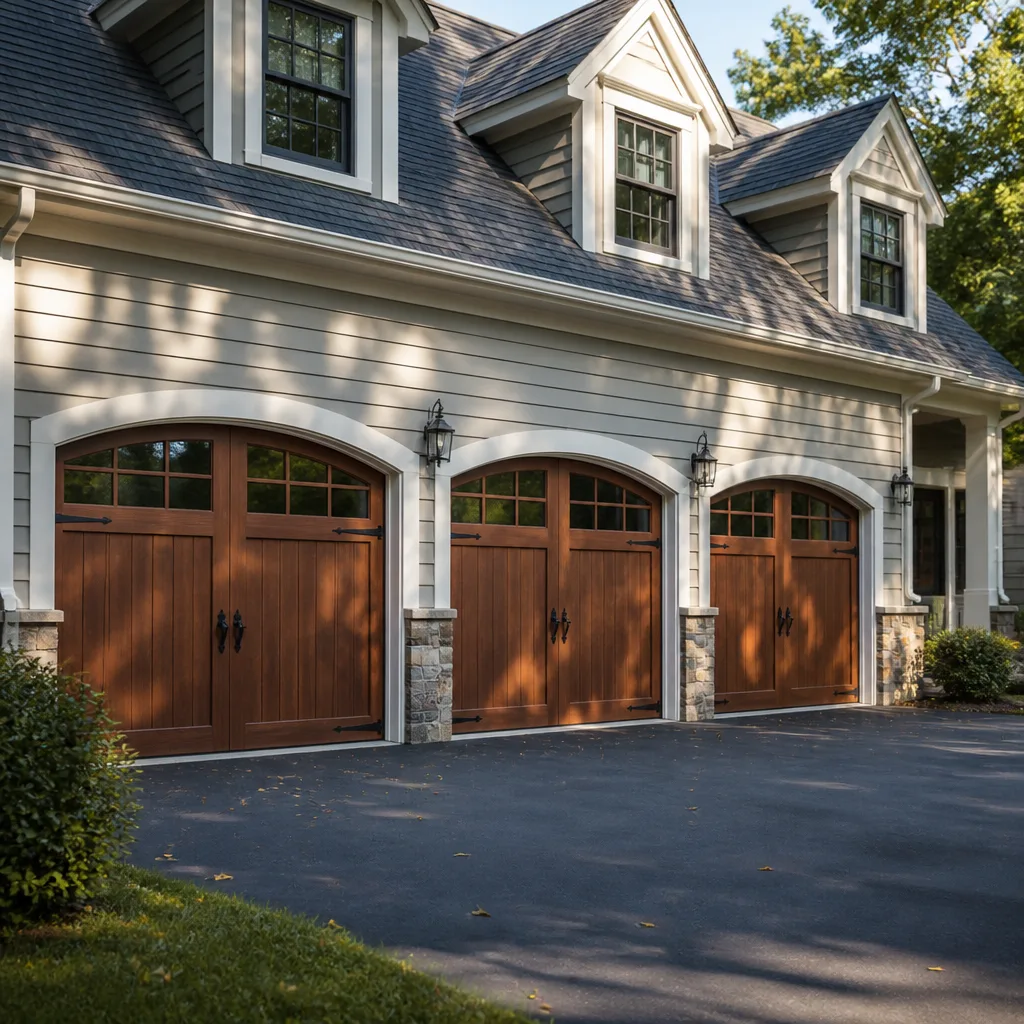 Carriage house
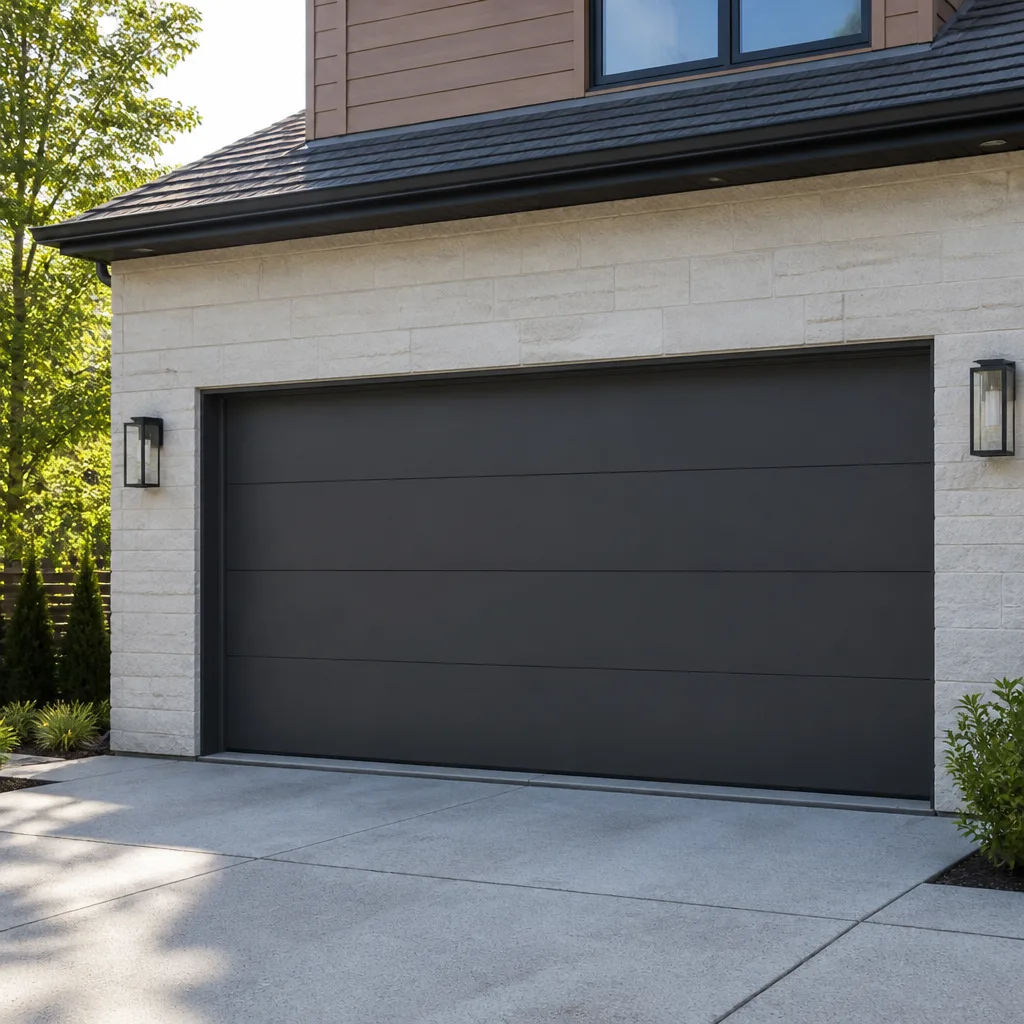 Modern flush
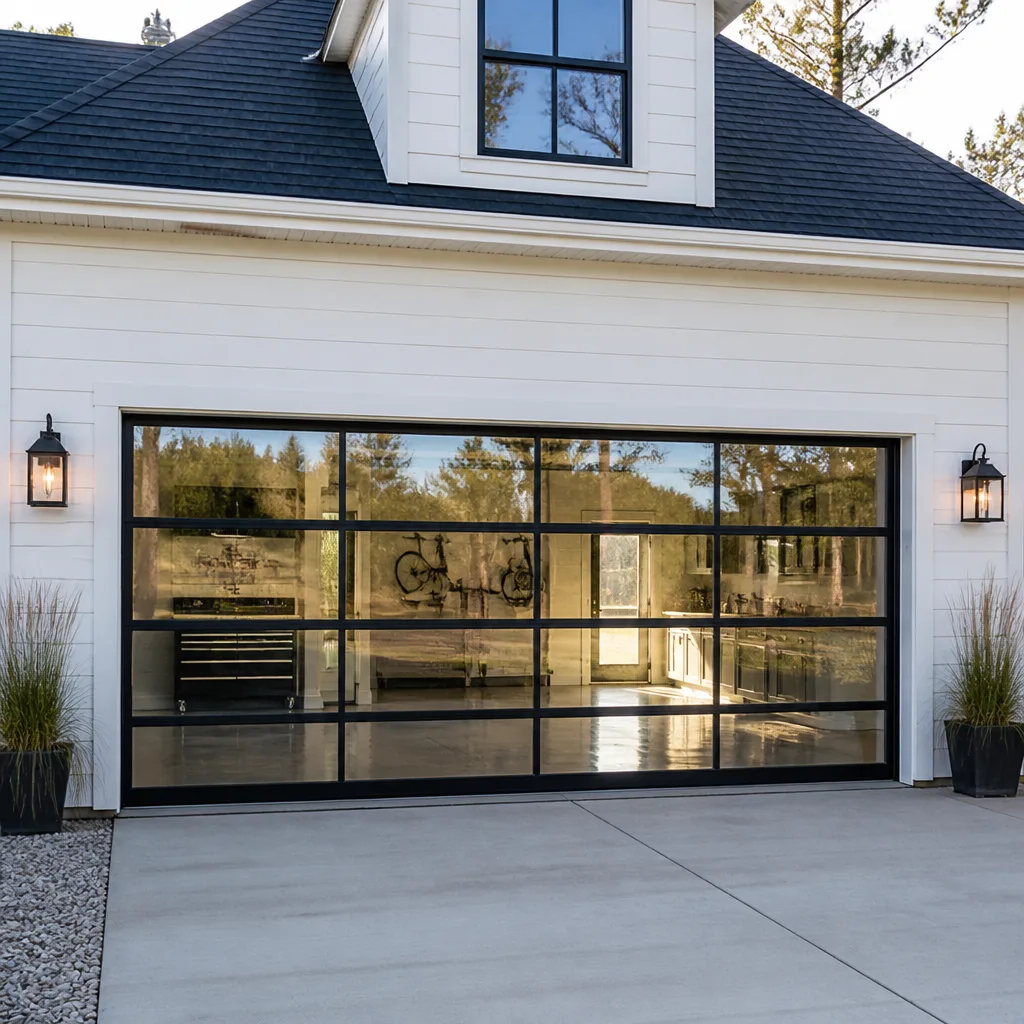 Full-view glass
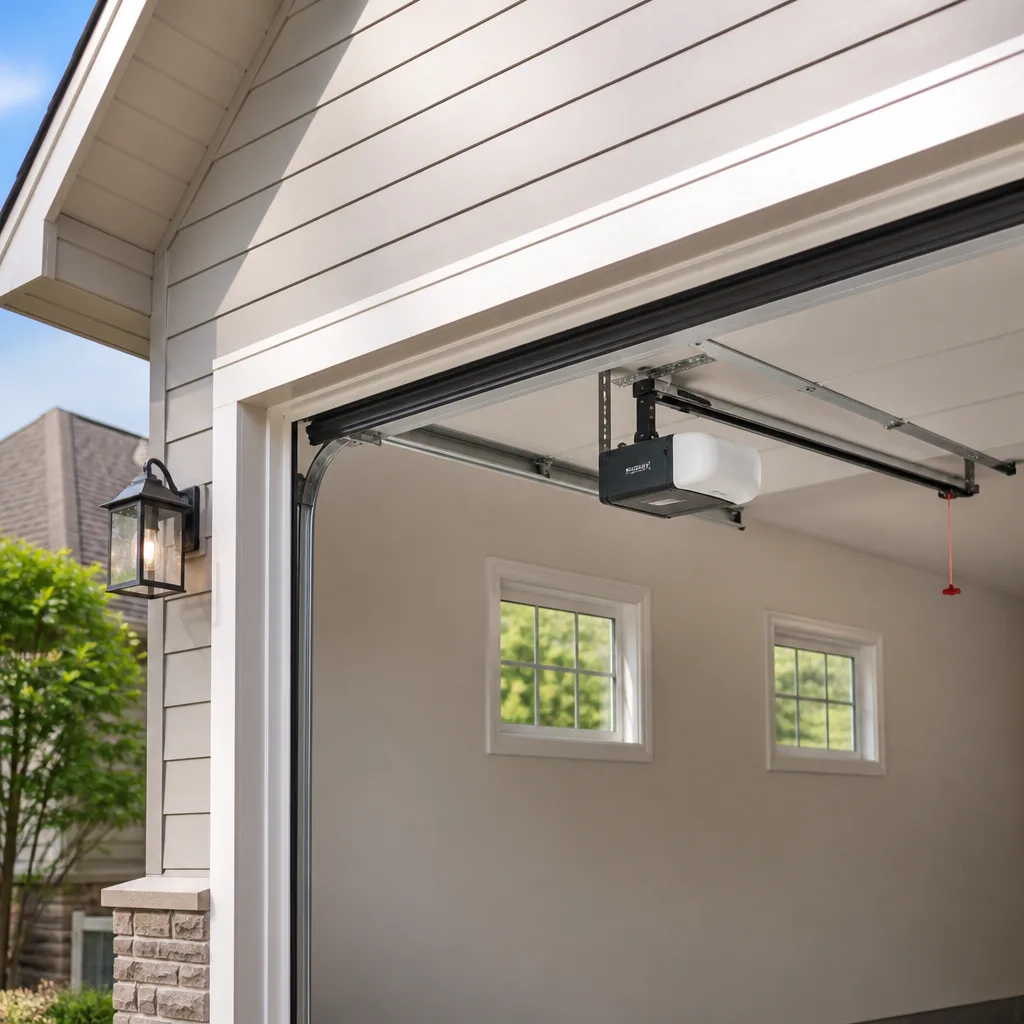 LiftMaster openers
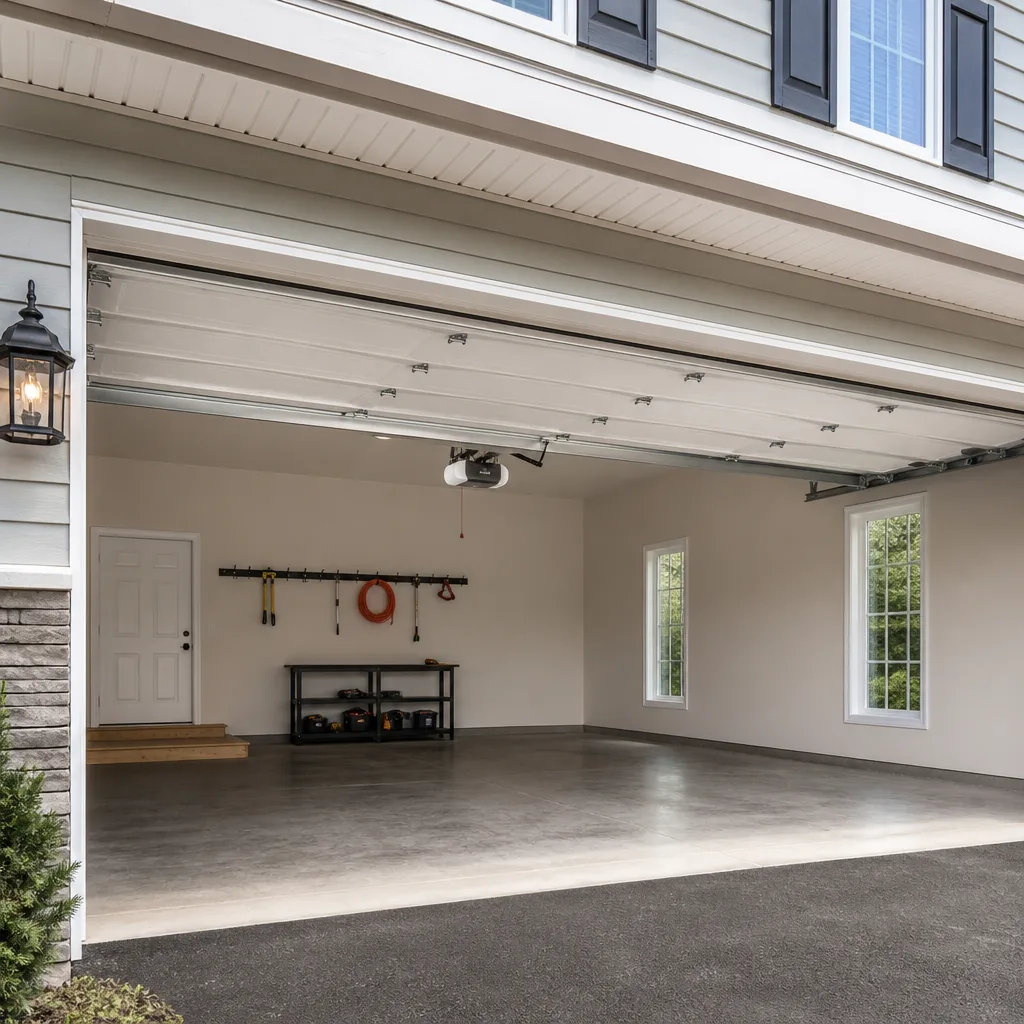 Chamberlain openers
Full 25-point door and opener safety check with every visit - springs, cables, rollers, tracks, and your LiftMaster or Chamberlain opener included
You get a price before we start. It does not change when the truck arrives.
Get your free estimateGarage Door Repair Maintenance Checklist for Moreno Valley Homeowners
The number-one maintenance mistake we see in Moreno Valley isn’t neglect. It’s timing. Homeowners lubricate their springs in January, feel good about it, then ignore the door until a spring snaps in August, right when thermal stress peaks and the door cycles more than any other month. This guide fixes that. You’ll learn a heat-sequenced maintenance routine built around how Inland Empire summers actually destroy garage door components, which lubricants survive 100-degree heat without thinning out, and how to inspect for UV damage that coastal homeowners never deal with. If your door gets used four or more times a day, this checklist is written for you.
Styles & brands we work with
- Raised-panel steel
- Carriage house
- Modern flush
- Full-view glass
- LiftMaster openers
- Chamberlain openers
Quick Answer
A garage door maintenance checklist for Moreno Valley homeowners should prioritize spring and cable inspections before June, use high-temperature lubricants that won’t attract desert dust, and include monthly checks of UV-brittle weatherstripping during peak summer months. The most effective approach sequences inspections around the Inland Empire’s heat cycle: prep work in April and May, vigilant monitoring June through September, and a full component audit in October. We recommend a 15-minute monthly visual inspection plus two deeper maintenance sessions per year, one in spring and one in fall.
Table of Contents
- The Heat-Sequenced Checklist: Why Order Matters in Moreno Valley
- Lubrication in the Desert: Products That Survive Moreno Valley Heat
- Weatherstripping and UV Brittleness: The Failure Mode Coastal Guides Miss
- Spring and Cable Inspection Intervals for High-Cycle Doors
- Garage Door Opener Maintenance: Heat, Dust, and the Drive System
- Rollers, Tracks, and the Fine Dust Problem
- Your Seasonal Maintenance Routine: A Step-by-Step Plan
- The Printable Maintenance Log: Tracking Patterns Before They Become Emergencies
- Common Mistakes to Avoid
- When to Call a Professional
- Frequently Asked Questions
- The Bottom Line
The Heat-Sequenced Checklist: Why Order Matters in Moreno Valley
Standard garage door checklists treat every month the same. They tell you to lubricate every six months and inspect cables twice a year, as if a door in Seattle faces the same stresses as a door in Moreno Valley. It doesn’t. Our summers regularly push past 100 degrees for weeks at a stretch, and that heat does two things to a garage door system. First, metal components expand, changing the tension geometry on springs and cables. Second, lubricants thin out and migrate, leaving moving parts running dry exactly when thermal stress is highest.
The fix isn’t more maintenance. It’s maintenance sequenced to the failure pattern. Here’s the order that actually matches how Moreno Valley doors fail:
- April 15 to May 15: Full spring inspection, tension check, cable wear audit, and complete lubrication service. This is your pre-summer prep window. Get everything dialed in before the heat arrives.
- June through September: Monthly visual inspections focused on spring coils, cable strands, and weatherstripping. You’re watching for heat-accelerated wear, not performing heavy maintenance. If you spot a frayed cable or a gap in a spring, call us before it fails. A garage door repair in Moreno Valley during August is always more expensive than the same fix in May, because emergency calls spike when the heat does.
- October: Post-summer audit. The heat has done its worst. Inspect every component, touch up lubrication, and replace UV-damaged weatherstripping before the cooler months and the occasional Santa Ana wind event with its fine particulate load.
This sequence front-loads the inspections that matter most before the June through September stress window. A door that passes inspection on May 1 has a dramatically lower failure risk on August 15 than a door that was last touched in January. We recommend this same heat-sequenced pattern whether your door is an Amarr, Wayne Dalton, or any other major brand installed in Moreno Valley, because the failure pattern follows the climate, not the brand.
Lubrication in the Desert: Products That Survive Moreno Valley Heat
Most generic lubrication advice fails in Moreno Valley for one reason: when temperatures hit 105 degrees, standard white lithium grease thins to the consistency of cooking oil and drips off the components it was supposed to protect. Then the first dust storm of the summer coats every moving part in a sticky, abrasive paste that accelerates wear. That’s the desert double threat: heat-thinned lubricant plus airborne particulate.
What works instead:
- High-temperature lithium complex grease for the torsion spring coil surfaces. Look for products rated to 300 degrees Fahrenheit or higher. These stay put when the garage interior hits 120 degrees on an August afternoon.
- Silicone-based spray lubricant for rollers, hinges, and bearing plates. Silicone doesn’t attract dust the way petroleum-based products do, and it maintains viscosity through temperature swings that make other lubricants useless.
- Avoid WD-40 as a lubricant. It’s a solvent and water displacer, not a lasting lubricant. It strips existing lubrication and leaves components drier than before. Same with penetrating oils. If you use them, plan to re-apply a proper lubricant immediately after.
- Never lubricate nylon rollers. The nylon wheel runs on a sealed bearing. Adding lubricant just attracts dust to the outside of the wheel. Only steel rollers need lubrication, and only on the bearing surfaces.
Apply lubricant sparingly. A heavy coat is worse than no coat here because it creates a dust magnet. Our Dynasty Garage Door Repair home service area sees more dust-related roller failures between June and September than any other single cause, and almost every one traces back to over-lubrication in the spring.
Weatherstripping and UV Brittleness: The Failure Mode Coastal Guides Miss
Garage door weatherstripping in Moreno Valley doesn’t wear out from cold cracking or freezing. It dies from ultraviolet radiation. The bottom seal and the side and top vinyl trim on a west-facing garage get hammered by direct afternoon sun, and after enough exposure, the flexible vinyl turns hard, yellowed, and brittle. Then it cracks. Then it lets in dust, heat, insects, and during winter rain events, water.
Here’s how to inspect for UV brittleness specifically:
- Press test: Push your thumbnail into the weatherstripping. Flexible, healthy vinyl compresses and bounces back. UV-damaged vinyl resists, then crumbles or leaves a permanent dent.
- Flex test: Bend a section of the bottom seal upward gently. Healthy material curves smoothly. Brittle material creases white at the bend point and may crack.
- Visual inspection: Look for a chalky, whitish surface film, especially on the bottom seal. This is the polymer degrading from UV exposure. Dark gray vinyl that’s turning lighter gray or yellow has already lost its flexibility.
- Light test: With the door closed during daylight, kneel at the inside and look along the bottom edge and side edges. Any visible light means the seal has shrunk, cracked, or compressed permanently. That gap is letting in dust and heat.
Replace weatherstripping at the first sign of brittleness, not after it visibly fails. A bottom seal costs a fraction of what a door panel repair or a full garage door repair in Moreno Valley runs when water and dust intrusion damage the door itself. West-facing doors often need replacement every two to three years. North- and east-facing doors can go five or more.
Spring and Cable Inspection Intervals for High-Cycle Doors
The standard advice is to inspect springs and cables twice a year. For many Moreno Valley homes, that’s not enough. The reason: cycle count. A cycle is one full open and close. Most torsion springs are rated for 10,000 cycles, which sounds like a lot until you do the math. A door that opens four times daily completes roughly 1,460 cycles per year. At that rate, a 10,000-cycle spring lasts just under seven years. But a two-car household with two working adults and two teen drivers can easily cycle the door eight or ten times daily. That’s 2,900 to 3,650 cycles per year, cutting spring life to three or four years.
Moreno Valley’s multi-generational households and multi-car families mean high cycle counts are the norm, not the exception. Here’s the adjustment:
- Doors cycling 1-3 times daily: Spring and cable inspection every six months, lubrication twice yearly.
- Doors cycling 4-7 times daily: Spring and cable inspection every four months, lubrication every four months.
- Doors cycling 8+ times daily: Monthly visual inspection of spring coils and cable strands. Full tension and balance check every four months. Lubrication quarterly.
What you’re looking for on springs: gaps between coils, rust, and visible wear where the spring rubs against the torsion tube. On cables: frayed strands, rust at the bottom bracket, and any change in the cable’s normal tightness. A cable that’s suddenly slack means the spring system isn’t doing its job, and the door may be running on the opener’s motor alone, which burns out motors fast.
One more Moreno Valley-specific note: Santa Ana wind events kick up fine dust that works its way between spring coils and into cable pulleys. After a particularly dusty wind event, give the cables and springs a quick visual check, even if you’re not due for one.
Garage Door Opener Maintenance: Heat, Dust, and the Drive System
Garage door openers have their own desert-specific failure modes. The two most common we see in Moreno Valley are heat-related solder joint failures on the logic board and dust accumulation on the optical safety sensors. Both are preventable with the right maintenance.
Opener maintenance for the Inland Empire:
- Keep the opener unit cool. Garages in Moreno Valley can hit 120 degrees and higher in midsummer, especially if the garage door faces west. Electronics degrade faster at sustained high temperatures. If your garage is regularly over 100 degrees, consider adding ventilation or at least propping a vent during peak heat hours. Smart openers like LiftMaster and Chamberlain units with myQ are more temperature-sensitive than older Craftsman units, so the newer the opener, the more heat management matters.
- Clean the safety sensors monthly. The photo-eye sensors at the bottom of each door track get coated in fine dust. When dust builds up, the beam weakens, and the door intermittently refuses to close or reverses unexpectedly. A dry microfiber cloth is all you need. No cleaners, no water.
- Check the manual release cord. Pull it once every three months to confirm the door disengages and re-engages smoothly. In dusty environments, the release mechanism gums up when lubricant and dust combine. If it sticks, a light silicone spray on the linkage fixes it.
- Test the auto-reverse function. Place a 2×4 flat on the floor under the door’s path and close the door. The door should reverse within two seconds of contacting the board. This is a safety feature, and it’s non-negotiable. Test it monthly. If the door doesn’t reverse promptly, stop using the opener and call for a garage door opener repair in Moreno Valley immediately.
If you have a Raynor or Wayne Dalton opener that’s pushing fifteen years old, plan for a replacement discussion at your next maintenance session rather than waiting for failure. The heat accelerates capacitor aging, and a capacitor failure on an August evening means a door that won’t open until a tech arrives.
Rollers, Tracks, and the Fine Dust Problem
Moreno Valley sits in a basin that traps airborne particulate. The dust here isn’t chunky sand like you’d see in a desert movie. It’s fine, talc-like powder that drifts into every gap, including the space between the roller wheel and the track. When that fine dust mixes with lubricant, it forms a grinding compound that slowly scores the tracks and wears down roller bearings.
Roller and track maintenance specific to our area:
- Inspect rollers every three months. Look for wobble, flattened spots on the wheel, or visible metal shavings at the track contact point. A roller that’s wearing out will leave fine gray or black residue in the bottom corner of the track.
- Clean the tracks. Wipe the inside track surface with a dry cloth. Do not lubricate the tracks. This is the single most common mistake we see. The rollers ride on bearings, not on the track surface. Lubricating the track just creates a slurry of oil and dust that grinds everything down faster.
- Check track alignment. With the door halfway up, stand back and sight down each vertical track. Both tracks should be plumb and parallel. If one side is leaning or the gap between the roller and the track widens at any point, the door is working against itself, and that strain transfers to cables and springs.
- Replace steel rollers with nylon. If your door still has steel rollers and you cycle it frequently, upgrading to nylon rollers with sealed bearings cuts noise and reduces the dust-attracting surface area. This is a simple upgrade that most homeowners see an immediate difference from.
The dust problem is why we recommend silicone lubricants over any grease product in Moreno Valley. Grease holds dust. Silicone sheds it. It’s a small change that extends roller life by years.
Your Seasonal Maintenance Routine: A Step-by-Step Plan
Here’s the complete seasonal plan, written step by step so you can follow it without thinking through the sequence yourself. Print this section or save it.
Spring Prep Window: April 15 to May 15
- Visual spring inspection: With the door closed, examine both torsion springs or extension springs. Look for gaps between coils, rust, or uneven stretching. If anything looks off, do not proceed with maintenance. Call a professional.
- Balance test: Pull the manual release cord with the door closed. Lift the door manually to waist height and release. A balanced door stays put. A door that falls or rises on its own has a spring tension problem.
- Lubricate: Apply high-temperature lithium grease sparingly to spring coils, silicone spray to all hinges, bearing plates, and the opener rail. Do not lubricate tracks.
- Full weatherstripping inspection: Use the press test, flex test, and light test described above. Replace any seal showing UV brittleness.
- Safety sensor alignment: Clean both sensor lenses. Confirm the sensor lights are solid, not blinking. Test the auto-reverse with a 2×4.
Summer Monitoring: June through September
- Monthly visual check: Look at spring coils and cable strands. You’re looking for changes from the spring inspection, not doing deep maintenance.
- Monthly auto-reverse test: Keep doing the 2×4 test. Heat affects motor torque, and a motor that’s struggling may not reverse with the same force.
- Monthly sensor cleaning: Dust builds fast in summer. Thirty seconds with a dry cloth prevents most false reversal issues.
- Listen: A door that used to be quiet and now squeaks or grinds during the hottest part of the day is telling you the lubricant has thinned. Note it and plan a touch-up application in the cooler evening or early morning.
Fall Audit: October
- Complete inspection: Everything from the spring prep window, repeated in detail. Springs, cables, rollers, tracks, hinges, brackets, opener drive system, weatherstripping, and safety features.
- Lubrication touch-up: Post-summer, the lubricant has endured its toughest months. Re-apply where needed.
- Weatherstripping replacement: The summer UV exposure has taken its toll. Replace now so the winter rains don’t find the gaps.
- Opener internal check: If you’re comfortable removing the opener cover, look for bulging capacitors, dust accumulation on the board, and any signs of heat discoloration. If you’re not comfortable, include this in your next opener service call in Moreno Valley.
- Log everything: Record all work in your maintenance log (below), including what you found and what you replaced. Patterns emerge from notes, not from memory.
The Printable Maintenance Log: Tracking Patterns Before They Become Emergencies
Most Moreno Valley homeowners can’t tell you when their springs were last inspected or what the weatherstripping looked like two years ago. That’s not a personal failing. It’s just how memory works. A written log solves it, and it’s the difference between catching a fraying cable early and discovering a snapped cable at 7 AM on a workday.
Here’s a simple log format. Copy it into a notebook, a spreadsheet, or a notes app. The format matters less than the consistency.
| Date | Component Inspected | Condition Observed | Action Taken | Next Due |
|---|---|---|---|---|
| May 3 | Torsion springs | Minor surface rust on left spring, coils intact | Lubricated, noted for fall recheck | Sept |
| May 3 | Bottom seal | Brittle, cracking at corners | Replaced with new vinyl seal | May next year |
| June 15 | Safety sensors | Dust film on lenses | Wiped clean, auto-reverse tested OK | July 15 |
| Aug 10 | Right cable | One frayed strand visible near bottom bracket | Called Dynasty Garage Door Repair for replacement | N/A – repaired |
Notice how the log catches the cable before it fails. That August 10 entry, written the day the frayed strand appeared, prevented a snapped cable and a door that wouldn’t open. Without the log, most homeowners don’t notice fraying until the cable breaks. We also use maintenance logs during garage door repair appointments in Moreno Valley to establish failure patterns and recommend preventative work rather than repeatedly fixing the same symptom.
Logging also helps with warranty claims. Some manufacturer warranties require documentation of regular maintenance. Amarr and Wayne Dalton both expect reasonable care, and a maintenance log is your proof that the door wasn’t neglected.
Common Mistakes to Avoid
- Lubricating in January and forgetting until January again. The six-month interval sounds right on paper, but it means the door runs dry through the hottest months. Lubricate in April or May, then again in October. The goal is fresh lubricant going into summer, not fresh lubricant sitting through the mild winter.
- Using WD-40 or penetrating oil as a spring lubricant. WD-40 is a solvent. It cleans, then evaporates, leaving the spring drier than before. Use high-temperature lithium grease or a dedicated garage door lubricant.
- Lubricating the tracks. The rollers don’t ride on the track surface. Oil in the track just creates a sticky, dusty mess that grinds everything down. If a tech tells you to lubricate the tracks, get a second opinion.
- Ignoring a door that’s slightly out of balance. A door that’s hard to lift manually or that creeps down when open is working against its own weight. That strain transfers to the opener motor, cables, and hinges. Fix the balance issue before it becomes a component failure.
- Waiting to replace UV-brittled weatherstripping. It seems cosmetic until the first winter rain seeps under the door and warps the bottom panel. Moreno Valley gets enough rain in winter to do real damage when seals fail.
- Spraying lubricant on nylon rollers. Nylon rollers need nothing. Sealed bearings are lubricated from the factory. Adding anything just attracts dust to the wheel surface.
- Running a damaged door “just one more week.” We understand the impulse. But a frayed cable or a cracked spring under tension is dangerous. A door that fails while cycling can drop hard enough to damage a car or injure a person. When you spot damage, stop using the door and call.
When to Call a Professional
Some maintenance tasks are DIY-appropriate. Others aren’t. Any work involving torsion springs is dangerous enough to warrant a professional, full stop. These springs hold hundreds of pounds of stored tension, and if that tension releases suddenly, it can cause serious injury. Same rule applies to cables under tension. If you see a frayed cable or a spring with a visible gap, do not attempt to adjust or replace it yourself.
Beyond springs and cables, call us if the door is significantly out of balance and you can’t identify why, if the opener is making electrical noises or refusing to respond, or if you’ve done the maintenance and something still isn’t working right. We know these doors, from the oldest Raynor to the newest smart-compatible LiftMaster, and Dynasty Garage Door Repair offers free estimates in Moreno Valley. Call (866) 623-1879 and describe what you’re seeing. We’ll tell you whether it’s worth a service call before we ever schedule one.
Frequently Asked Questions
Lubricate twice a year, but time it to the heat cycle rather than the calendar: late April or early May before the summer heat arrives, and again in October after the peak stress season ends. Doors that cycle eight or more times daily benefit from quarterly lubrication.
High-temperature lithium complex grease rated to 300 degrees Fahrenheit or higher works best on torsion spring coils. It maintains viscosity when garage temperatures exceed 100 degrees, unlike standard white lithium grease, which thins and drips. For rollers and hinges, use a silicone-based spray that won’t attract fine desert dust.
It’s UV exposure, not age. The Inland Empire sun degrades vinyl weatherstripping through sustained ultraviolet radiation, making it hard and brittle. West-facing garage doors take the worst beating and typically need seal replacement every two to three years, compared to five or more for shaded doors.
Yes, visually. Look for gaps between coils, rust, and uneven stretching with the door closed. But do not touch, adjust, or replace springs yourself. Torsion springs carry enough stored energy to cause severe injury. If a visual inspection reveals anything concerning, call (866) 623-1879 for a professional evaluation.
It depends on cycle count, not calendar years. A door cycling four times daily puts roughly 1,460 cycles on the springs annually. Standard 10,000-cycle springs last about seven years at that rate. But multi-car Moreno Valley households that cycle the door eight to ten times daily can wear out springs in three to four years.
Heat is the likely culprit. Garage interiors in Moreno Valley routinely exceed 110 degrees in midsummer, and electronics degrade at sustained high temperatures. The logic board’s thermal protection may trip, or solder joints can fail. Newer smart openers like LiftMaster and Chamberlain models are more temperature-sensitive than older Craftsman units. If the problem recurs, schedule an opener repair or replacement consultation.
The Bottom Line
Maintaining a garage door in Moreno Valley isn’t about doing more work. It’s about doing the right work at the right time. Front-load your inspections before the June through September heat window, use high-temperature and silicone lubricants that survive 100-degree days without turning into dust-catching paste, and watch your weatherstripping for UV brittleness rather than waiting for visible cracking. Keep a log so patterns become obvious. And when something involves a spring or a cable under tension, call a professional. Your garage door is the largest moving object in your home, and in this climate, it needs a maintenance plan that respects the heat. Follow this checklist and you’ll catch most failures before they leave you stuck in the driveway.
Written by the team at Dynasty Garage Door Repair, serving Moreno Valley since 2017.
See the difference
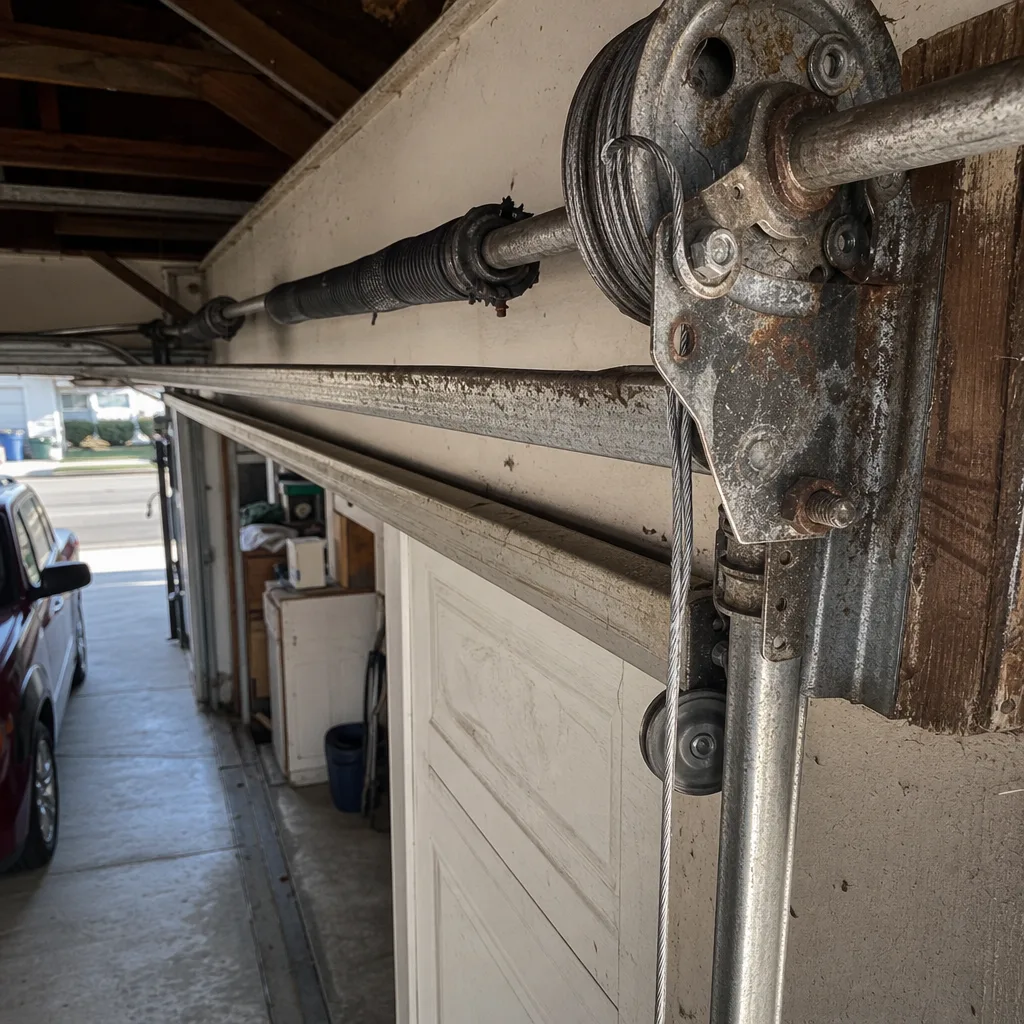 Before
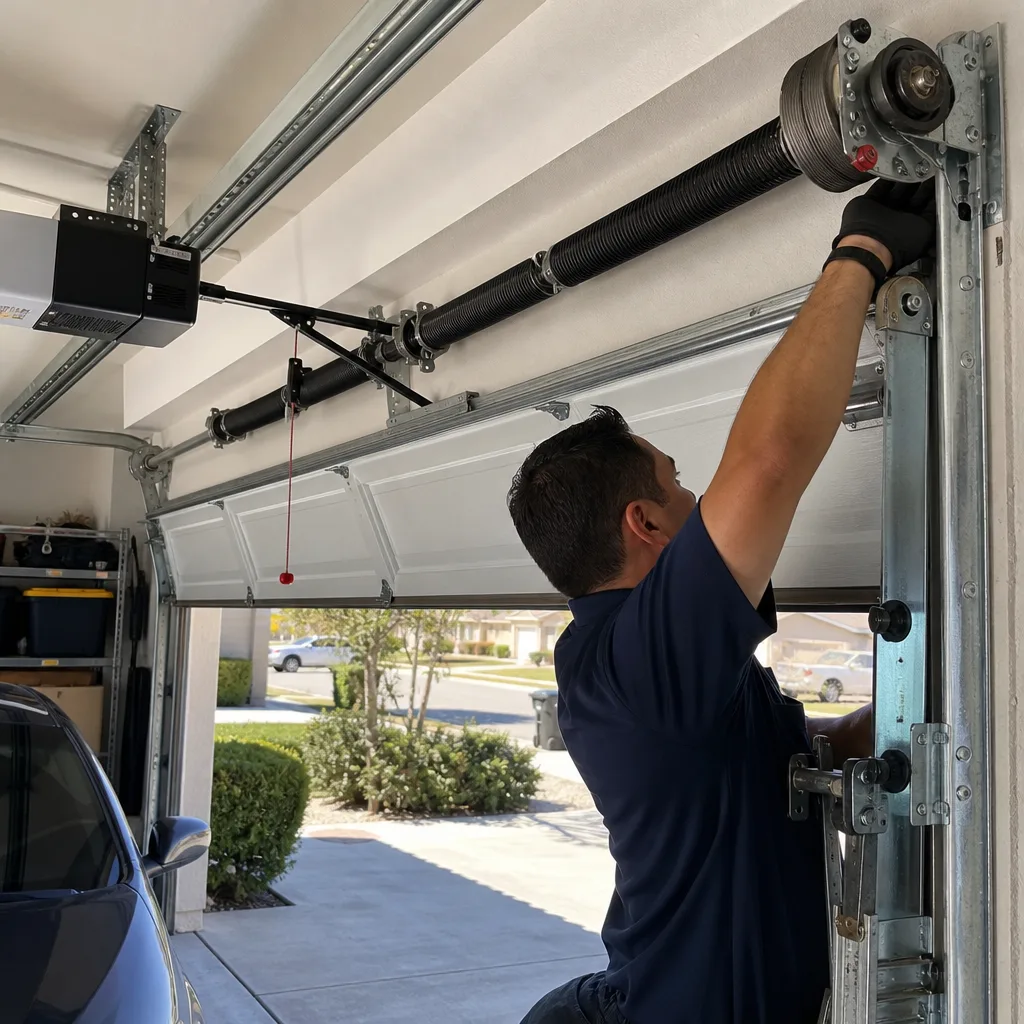 After
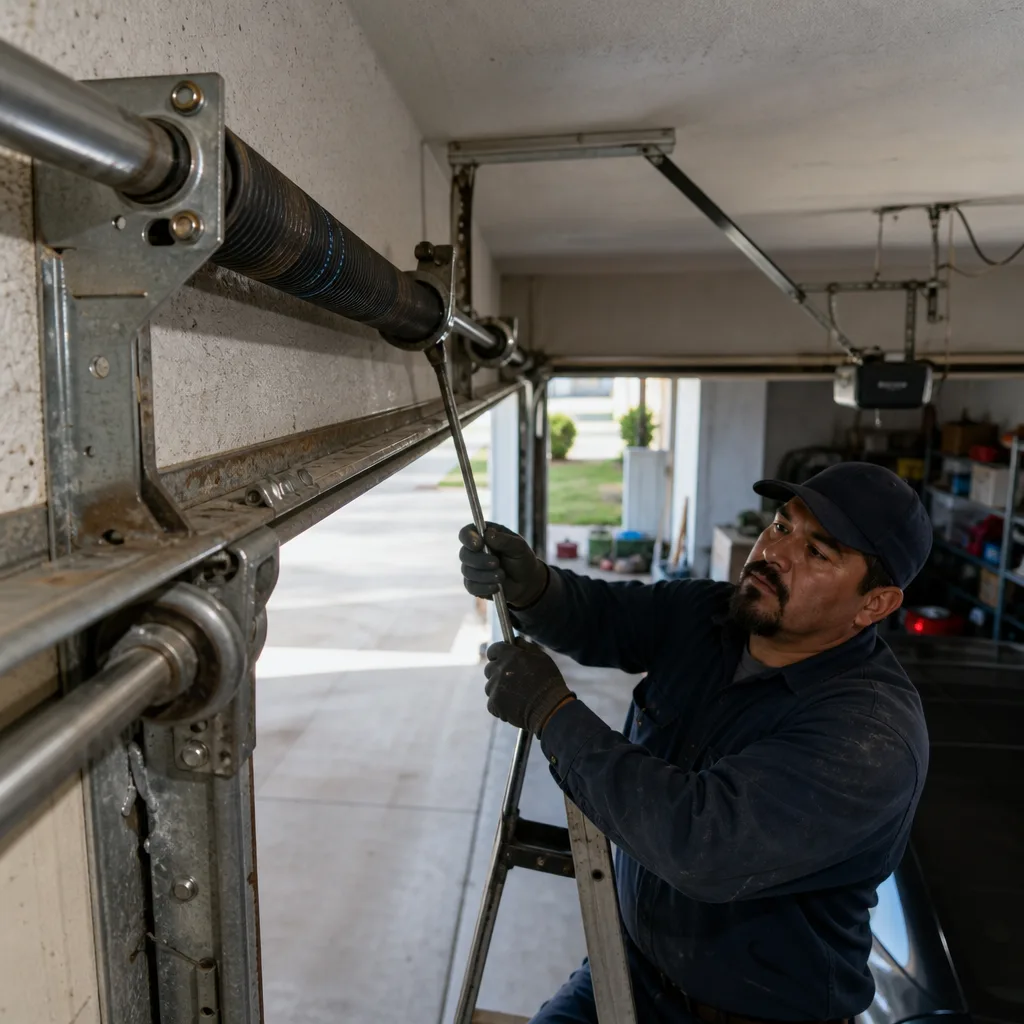 Before
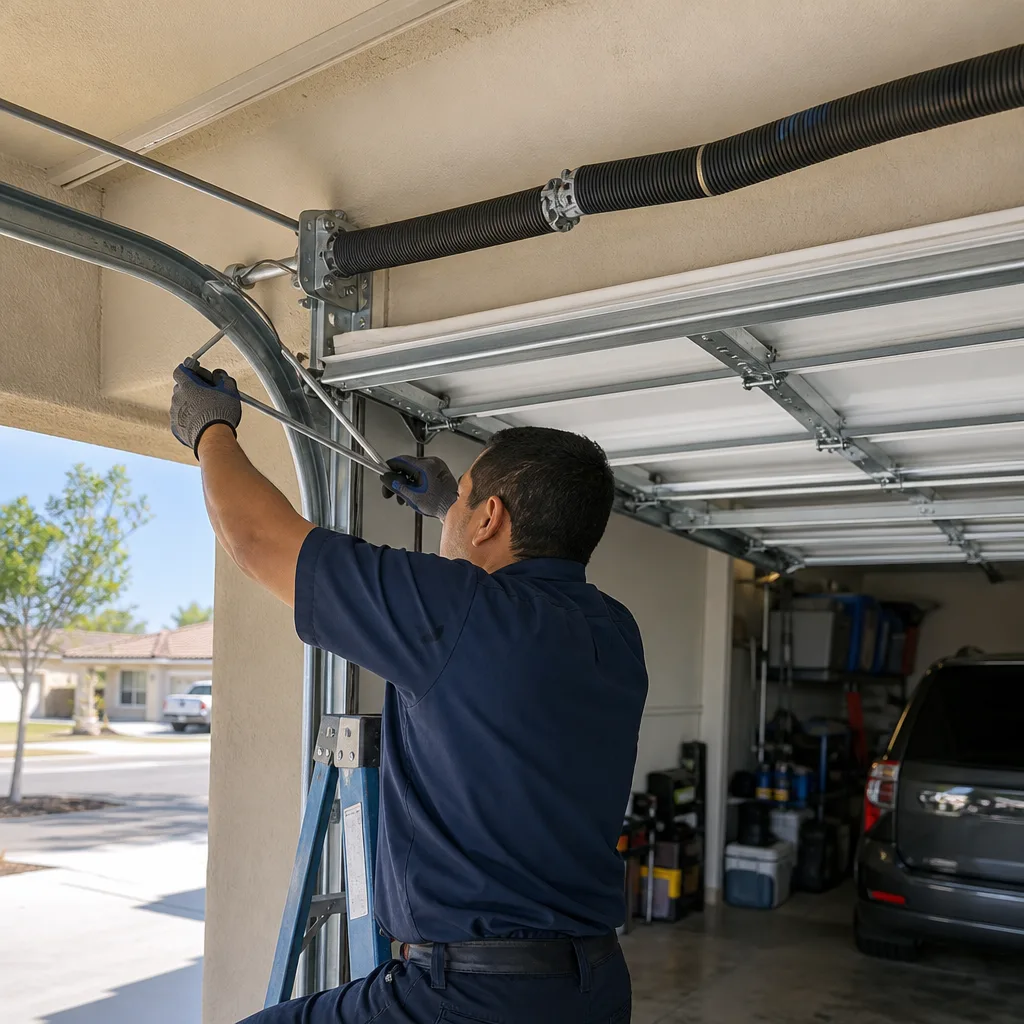 After
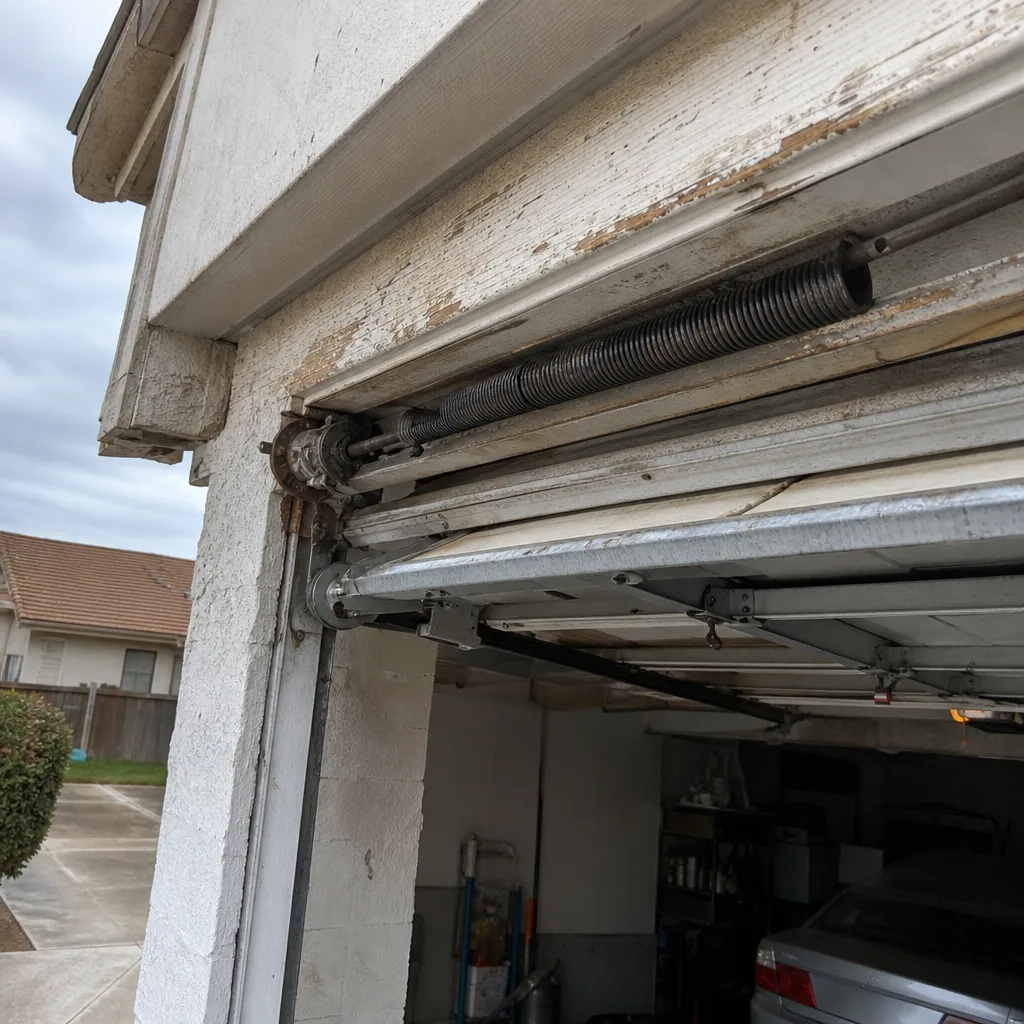 Before
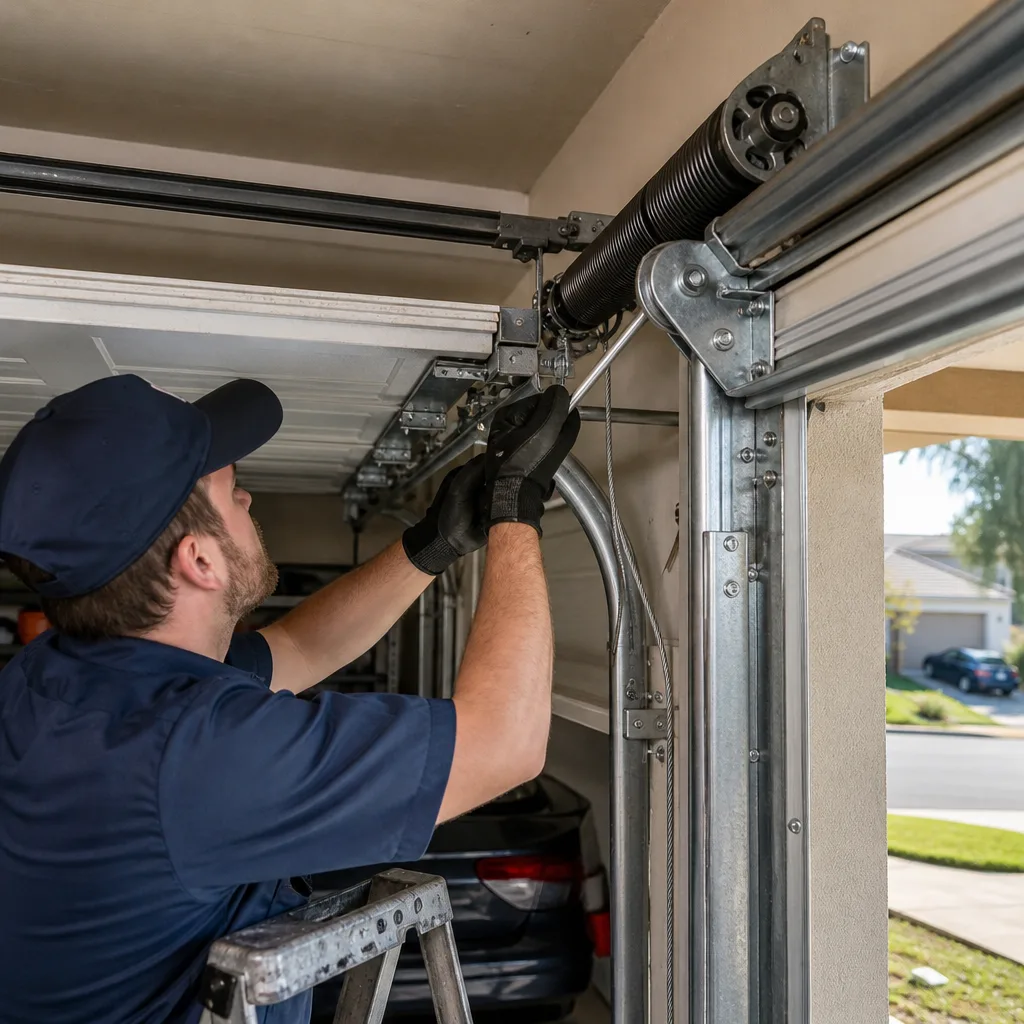 After