
Last updated November 2, 2026
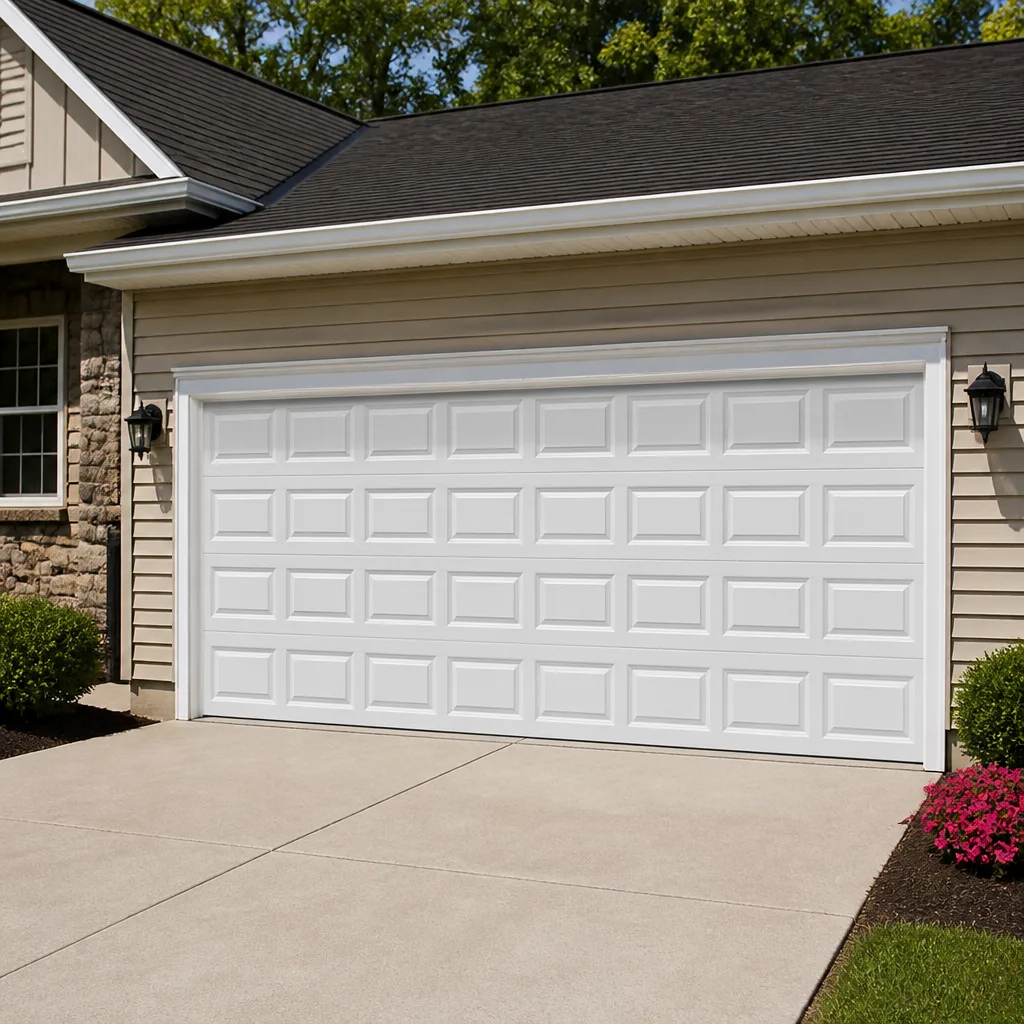 Raised-panel steel
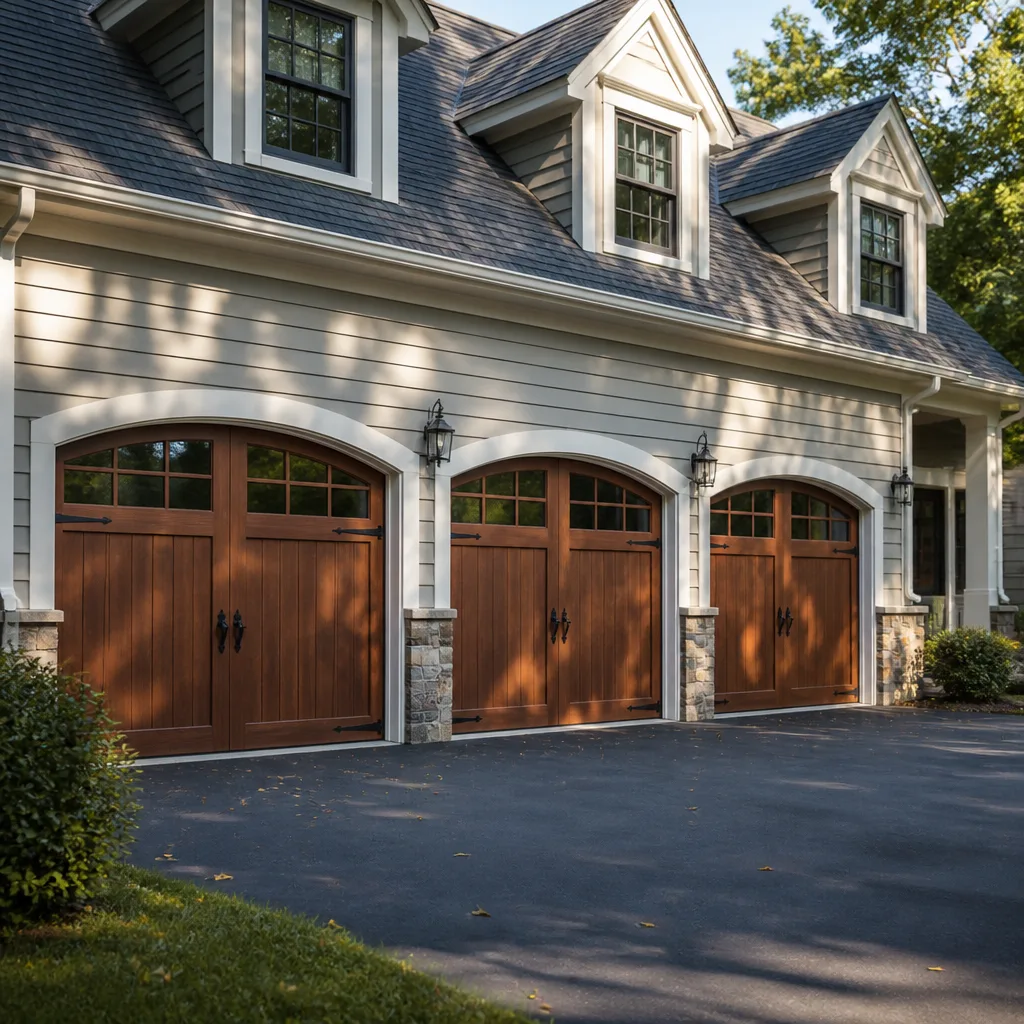 Carriage house
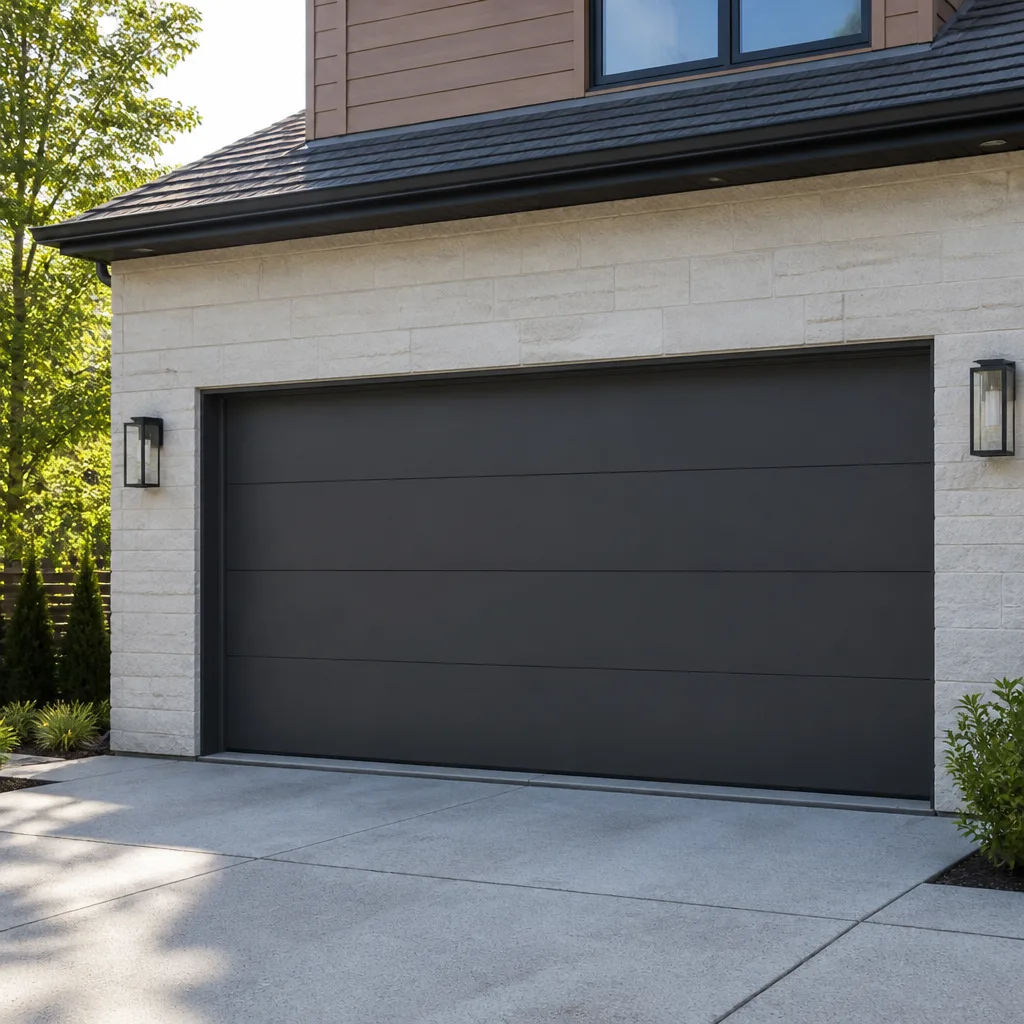 Modern flush
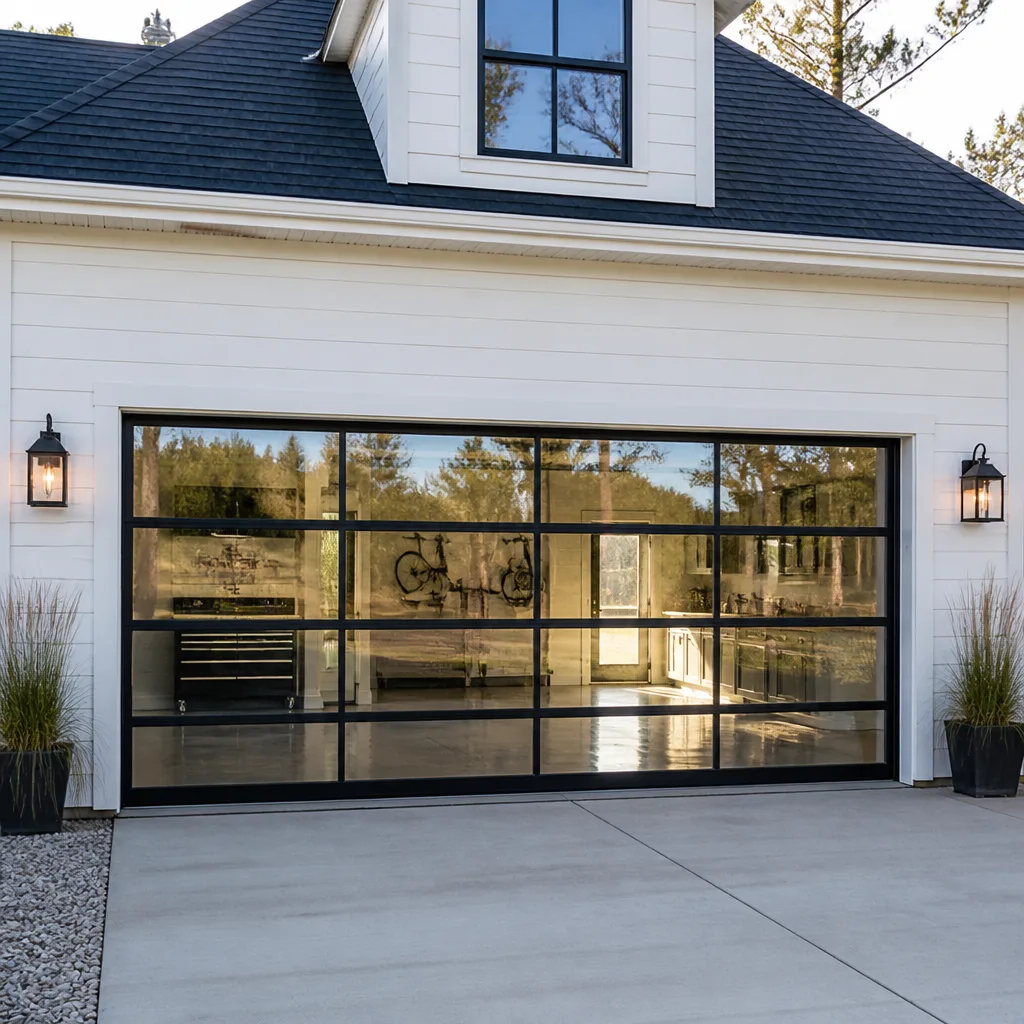 Full-view glass
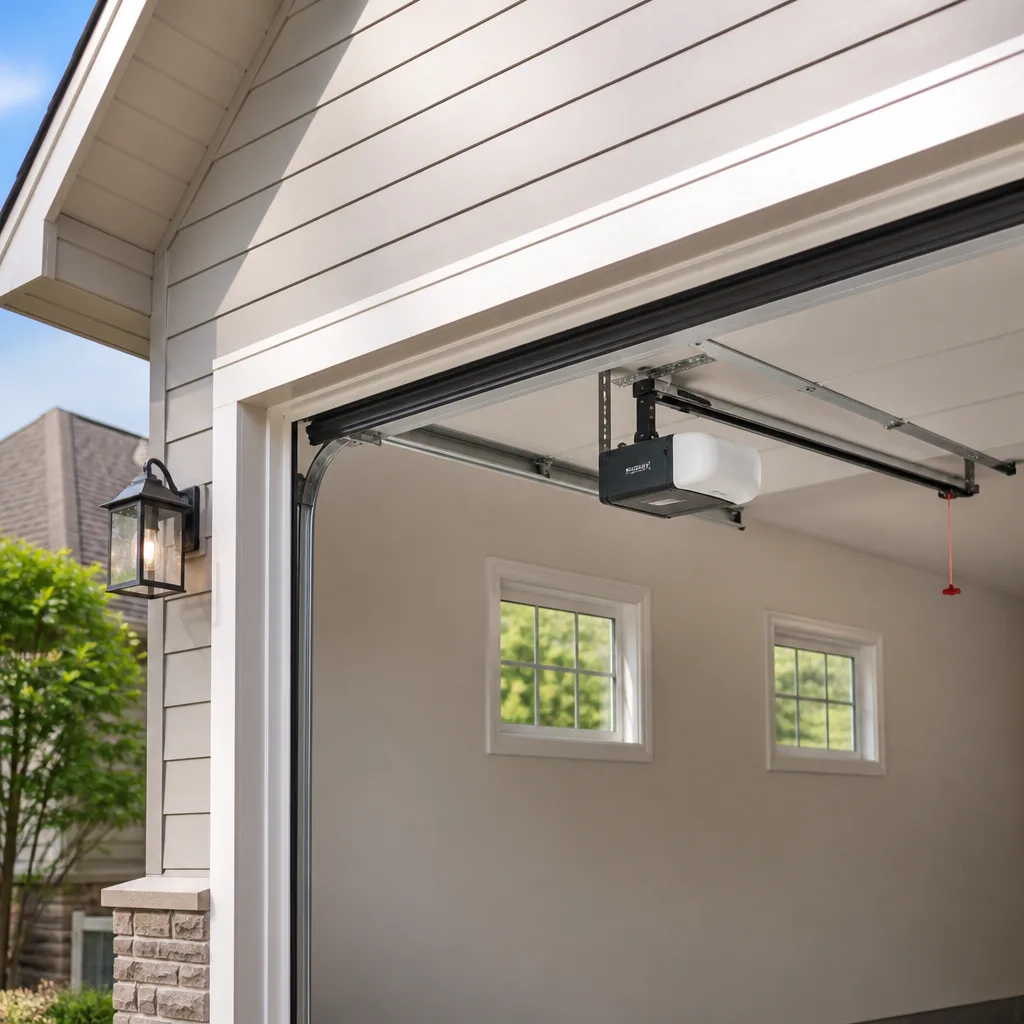 LiftMaster openers
 Chamberlain openers
Full 25-point door and opener safety check with every visit - springs, cables, rollers, tracks, and your LiftMaster or Chamberlain opener included
You get a price before we start. It does not change when the truck arrives.
Get your free estimateGarage Door Emergency Preparedness Guide for Moreno Valley Homes
Your garage door is the largest moving object in your home, and in Moreno Valley it faces threats most homeowners never consider until the moment they need to act. The San Jacinto fault zone runs close enough to deliver real shaking, summer heat waves push Southern California Edison’s grid to rolling blackouts, and wildfire evacuation orders have become a recurring reality for Riverside County residents. If your opener fails during any of these events, you have roughly fifteen seconds of confusion before panic sets in. This guide gives you the exact procedures, brand-specific release instructions, and pre-emergency setup steps to keep your garage door functional when everything else is going wrong, and points you to more guides & resources for ongoing maintenance.
Quick Answer
A dependable Moreno Valley garage door emergency plan has three parts: know how to manually release your opener (by cord or battery backup, depending on brand and setup), keep your door and tracks in good enough condition to operate by hand under stress, and store a one-page reference card in your garage with release steps, contact numbers, and manual lock locations. Prepare all three before the shaking, smoke, or blackout arrives, because none of them can be figured out in the dark – our Garage Door Repair Maintenance Checklist for Moreno Valley Homeowners can help you stay ready.
Styles & brands we work with
- Raised-panel steel
- Carriage house
- Modern flush
- Full-view glass
- LiftMaster openers
- Chamberlain openers
Table of Contents
- How to Use the Manual Release on Your Garage Door Opener
- Earthquake Preparedness for Garage Doors in Moreno Valley
- Battery Backup Openers: Choosing One for SCE Outage Patterns
- Wildfire Evacuation Protocol: Getting Out Fast and Securing Your Door
- Your Garage Emergency Reference Card: What to Post and Why
- Monthly Garage Door Checks That Prevent Emergencies
- Common Mistakes to Avoid
- When to Call a Professional
- Frequently Asked Questions
How to Use the Manual Release on Your Garage Door Opener
Every electric opener has a manual release mechanism, and knowing where yours is takes about ten seconds when you’re calm and about ten minutes when you’re not. The release cord hangs from the trolley that connects your opener rail to the door itself. In Moreno Valley homes with LiftMaster, Chamberlain, or Genie openers, that cord is usually red and hangs near the center of the garage ceiling, roughly above where your car hood sits when parked.
To disengage the opener with power still on:
- Confirm the door is fully closed. Pulling the release while the door is open lets it slam down under its own weight, and a 300-pound door falling free is dangerous.
- Firmly pull the red release cord straight down and slightly toward the door. You should hear a click as the trolley disconnects from the chain or belt.
- Test that the door moves freely by lifting it a few inches. It should glide without resistance from the opener mechanism.
- Lift the door manually, using the handles or the bottom edge. Most residential garage doors weigh between 150 and 300 pounds, so use both hands and lift with your legs.
If the power is out, the procedure is identical, but you won’t hear the opener motor, and the door may feel heavier because the opener’s assist isn’t there. In our experience, doors with broken or weak springs feel dramatically heavier, sometimes impossible to lift with one person. If you can’t lift the door after releasing the trolley, the springs, not the power, are the problem, and that’s a repair call, not an evacuation delay you want to discover at 2 a.m. during a Moreno Valley blackout – see our Garage Door Repair Troubleshooting: Common Problems and How to Fix Them for more diagnostic help.
Wayne Dalton and Amarr doors often use a slightly different release style on their opener trolleys, sometimes requiring the cord to be pulled at a 45-degree angle toward the motor instead of straight down. If your home has one of these brands, practice the motion once with the door closed before you ever need it for real. Ten minutes of practice now beats fumbling through a smoke-filled garage later.
Safety note: Never disengage an opener while the door is partially open, and never stand directly under the door when operating the release. If the door is stuck partway and you need to release the trolley, support the door first with a sturdy object placed under its center.
Earthquake Preparedness for Garage Doors in Moreno Valley
The San Jacinto and San Andreas fault zones both threaten Moreno Valley with significant shaking. Garage doors are uniquely vulnerable in earthquakes because they’re wide, heavy, and mounted to a wall that flexes during seismic events. A door that operates smoothly one day can be racked, jammed, or thrown off its tracks ten seconds into a magnitude 6.0 event. If that door is your only exit after an earthquake, you could be trapped inside your own garage.
Seismic forces act on garage doors in two ways. First, the horizontal tracks that guide the door along the ceiling can twist or detach from their mounting brackets. Second, the opening itself can shift enough that the door binds against the frame. Homes in Moreno Valley built before the 1990s often lack the reinforced garage wall framing now required by California building code, making their door openings slightly more flexible, and slightly more likely to rack during a quake – check our guide to Garage Door Permits, Codes & Inspections in CA: What You Need to Know for current requirements.
Before an earthquake hits, take these practical steps:
- Tighten every visible bolt and lag screw on your track brackets, hinges, and opener mounts. Most homeowners can do this with a socket wrench in twenty minutes.
- Check that your track brackets are mounted into solid framing, not just drywall. If a bracket wiggles when you push on it, it won’t hold during shaking.
- Make sure the emergency release cord is marked with bright tape or a small flag so you can find it instantly in the dark or dust-filled air.
- Replace any cracked or frayed cables. Cables are under constant tension, and a cable that breaks during an earthquake sends the door crashing down without warning.
After shaking stops, before you touch the door: look at the tracks, the springs, and the cables from a safe distance. If the door leans visibly, if tracks are bent, or if you hear grinding when you try the opener, stop immediately. A door with earthquake damage can collapse without warning, and cables under tension can snap like a whip if released. This is exactly the situation where you need specialist eyes on it, not a YouTube tutorial. Our team has inspected dozens of Moreno Valley garage doors after seismic events, and most need either a track realignment or spring replacement before they’re safe to operate again.
Battery Backup Openers: Choosing One for SCE Outage Patterns
Moreno Valley summers push temps above 100 degrees for weeks at a time, and Southern California Edison manages that load with rolling blackouts and public safety power shutoffs. During a Flex Alert or PSPS event, your entire garage becomes a dead zone, and the door that worked at 3 p.m. won’t budge at 6 p.m. unless you have a battery backup or know your manual release cold.
Battery backup openers solve this problem permanently. These units contain an internal rechargeable battery that automatically powers the door during an outage, typically good for 20 to 50 open-and-close cycles depending on the brand and battery age. LiftMaster’s 8550WLB and Chamberlain’s B970 models are the two most common battery-equipped openers we install in Moreno Valley homes, both integrating with the myQ smart system so you can monitor door status from a phone even when you’re not home.
What to know before buying:
- Battery life: Most backup batteries last 2 to 3 years. After that, they hold less charge, sometimes enough for only two or three cycles. Test yours twice a year and replace it at the first sign of reduced capacity.
- Not all openers are retrofit-ready: Some older Genie and Craftsman models cannot accept a battery backup add-on. You may need a new opener head unit, which is a $400 to $700 upgrade installed.
- Compatibility with smart features: If your home relies on Wi-Fi garage control for package deliveries or letting in family members, make sure the backup unit preserves those features during an outage. LiftMaster and Chamberlain myQ-compatible units keep app control active as long as your home router has its own backup power.
For Moreno Valley homeowners who don’t want to replace their entire opener, an Uninterruptible Power Supply rated for motor loads can work for some models, but it’s a band-aid. Motor-driven openers draw significant wattage at startup, and undersized UPS units fail under that load. The straightforward fix for SCE outage season is a factory-integrated battery backup unit, and the time to get one is before the next heat wave, not during it.
Wildfire Evacuation Protocol: Getting Out Fast and Securing Your Door
Moreno Valley sits east of the wildfire-prone Box Springs Mountain and Lake Perris recreation areas, and evacuation warnings have reached city limits in recent fire seasons. When an evacuation order arrives, every second counts, and your garage door can either be your fastest exit or your biggest obstacle. Dense smoke reduces visibility inside a garage to near zero, and the manual release cord, easy to find on a sunny afternoon, becomes invisible when you’re coughing and your eyes are watering.
Here’s the evacuation sequence we recommend to our Moreno Valley customers:
- Before fire season starts, paint or tape your release cord with high-visibility orange or white flagging. Make it impossible to miss even in low light.
- When an evacuation warning is announced, open your garage door first, before you pack anything. If power is still on, leave the door in the open position or use the wall button to confirm the opener is working.
- If power is already out, use the manual release and lift the door fully open. If you have a battery backup opener, this is automatic, but don’t assume the battery has charge until you test it.
- Back the car in or pull nose-out every night during high fire danger periods. A car facing inward is a 30-second delay you don’t want when flames are visible on the ridgeline.
- Evacuate through the garage if it’s your fastest exit, then close the garage door from the outside using the keyless entry pad or a spare remote left in the car. A closed garage door protects the house from ember intrusion, which is how the majority of homes ignite in wildfires.
Do not waste evacuation minutes trying to secure valuables in the garage. The structure and your lives matter more. But do leave the door closed if you exit through the front of the house, because wind-driven embers slip through even a one-inch gap and ignite stored cardboard, paint cans, and other combustibles. A properly sealed and balanced door can meaningfully reduce ember penetration during a wildfire event, which is one more reason to keep your bottom seal and side weatherstripping in good condition year-round.
Your Garage Emergency Reference Card: What to Post and Why
When your hands are shaking and your family is waiting in the car, you won’t remember the release trick you saw online three years ago. That’s why we tell every Moreno Valley homeowner we work with to post a laminated emergency reference card on the wall next to the garage door opener button. It costs two dollars to make and works when you can’t think straight.
Your card should include:
- Manual release instructions in under five steps, written in large print. Include an arrow pointing to the direction to pull the cord based on your opener brand.
- The model name of your opener, for example “LiftMaster 8550WLB” or “Genie ChainMax 1000.” Technicians need this to bring the right parts.
- Your emergency contact numbers: local police/fire non-emergency, your power company outage line, and your garage door service number. Write them in sharpie after printing, not pencil.
- The location of your manual lock, if your door has one. Most California garage doors don’t, but older Clopay and Wayne Dalton units sometimes include slide bolts on the interior tracks.
- A note for anyone else in the household: “Do not pull the release cord while the door is open.” This warning alone prevents dozens of injuries every year.
Laminate the card and secure it with a small screw or hurricane tape, not a magnet, which falls off when the door slams. Replace it if you install a new opener, because release mechanisms differ between brands. A card written for your old Chamberlain does you no good when a new Genie hangs from the ceiling.
Monthly Garage Door Checks That Prevent Emergencies
Emergency preparedness isn’t just about the day of the disaster. It’s the ten minutes a month you spend confirming everything still works. In Moreno Valley’s climate, with its dry heat, dust, and occasional high winds, garage door components wear faster than in milder coastal cities. Dust gets into rollers and bearings. Heat accelerates spring fatigue. Drought-hardened ground can shift just enough to change how your door sits in its opening.
Run through this checklist monthly, ideally on the first Saturday of the month:
- Open and close the door using the wall button. Listen for grinding, rattling, or any sound that wasn’t there last month.
- Test the auto-reverse safety feature by placing a roll of paper towels under the closing door. If the door doesn’t reverse on contact, stop using it and call a professional.
- Pull the manual release cord (with the door closed) and lift the door a foot. It should stay in place. If it drops or feels exceptionally heavy, the springs are failing.
- Check the bottom weather seal for cracks or gaps. During wildfire season, a compromised seal invites embers. During winter, it invites rodents and cold air.
- Inspect the cables on both sides for fraying. Never touch or attempt to repair damaged cables yourself, as they carry enormous tension.
- If you have a battery backup opener, unplug the opener and test that the door opens on battery power. Do this in daylight so you’re not testing in the dark.
These checks take ten minutes and don’t require tools beyond your hands and eyes. They catch the small problems before they become the 911-style emergencies, and they keep you familiar with your door’s normal behavior so abnormal is immediately obvious.
Common Mistakes to Avoid
- Assuming the manual release works without ever testing it. Release cords can stick, trolleys can bind, and springs can fail silently. The first time you pull the cord should not be during a Moreno Valley blackout. Test it quarterly.
- Pulling the release cord while the door is open. A garage door with broken springs or a disconnected trolley becomes a free-falling weight. Always verify the door is fully closed before disengaging.
- Ignoring frayed cables. Cables don’t fray slowly and predictably; they fail all at once, usually when the door is halfway up and your car is underneath it. Replace frayed cables immediately.
- Not knowing if you have a battery backup. Many Moreno Valley homeowners inherit openers from previous owners and have no idea whether their unit has backup capability. Check the model number and look for a “B” suffix, like LiftMaster’s 8550WLB.
- Blocking the release cord with storage. Bikes, boxes, and holiday decorations end up directly under the release cord in most garages. Keep the area below and around the cord clear so you can reach it without moving obstacles.
- Trying to force a door that’s off-track. After an earthquake or a hard impact, a door that’s come off its tracks won’t respond to brute force, and trying to lift it by hand can bring the entire assembly down. Stop, back away, and call for service.
- Forgetting that garage doors need seasonal adjustment. Moreno Valley’s temperature swings from 40-degree winter nights to 110-degree summer days cause metal tracks and springs to expand and contract. Doors that were perfectly balanced in spring can bind in summer if the tracks were installed too tight.
When to Call a Professional
Some garage door problems are DIY-friendly: tightening a bolt, clearing debris from the tracks, or testing your release cord. Other problems require trained hands and specialized tools. If your springs are broken or show signs of fatigue, call a professional. If your door came off its tracks during an earthquake or a hard impact, call a professional. If your cables are frayed, call a professional. If your opener makes a grinding sound and won’t move the door, call a professional. Attempting repairs on any of these components without proper training risks serious injury, and in Moreno Valley’s seismic environment, the margin for error is thinner than homeowners realize.
At Dynasty Garage Door Repair, we handle garage door repair, opener repair, and full installation, and we’re factory-familiar with the brands most common in Moreno Valley homes: LiftMaster, Chamberlain, Genie, Clopay, Amarr, Wayne Dalton, Craftsman, and Raynor. We know your exact system before we arrive because we work on all of them every week. Garage door repair in Moreno Valley is what we do, and we offer free estimates. Call (866) 623-1879.
Frequently Asked Questions
Pull the red emergency release cord hanging from the opener rail, usually located near the center of the garage ceiling, then lift the door manually using both hands. The release cord is red on most LiftMaster, Chamberlain, and Genie openers installed in Moreno Valley homes, and pulling it straight down disconnects the door from the opener motor. If the door won’t lift after releasing the trolley, the springs have likely failed and you need professional repair. Call (866) 623-1879 for same-day spring service in Moreno Valley.
No, a standard opener will not operate during any power loss unless it has a built-in battery backup, and even then, backup capacity is limited to roughly 20 to 50 cycles depending on the model and battery age. Moreno Valley’s summer rolling blackouts typically last 1 to 4 hours, which most healthy battery backups handle easily, but older batteries may die after just a few open-and-close cycles. Test your backup battery twice a year and replace it at the first sign of reduced capacity.
A battery backup opener, like a LiftMaster or Chamberlain model with integrated battery, typically runs $450 to $750 installed in Moreno Valley depending on the motor power, whether you want smart-home features, and how much labor your existing setup requires. Older homes with outdated wiring or low-clearance garages may need additional work, which adds to the total. Call (866) 623-1879 for an exact quote, and we’ll confirm the price before any work begins.
Yes, seismic shaking can rack the door frame, twist the tracks, or dislodge the door from its rollers, any of which can trap the door in place and make it dangerous to force open. After a quake in Moreno Valley, inspect the tracks and door from a safe distance before touching anything, and never attempt to force a stuck door because cables under tension can snap unpredictably. If your door is jammed after an earthquake, leave it alone and call a professional.
Open the garage door first, before doing anything else, so you have a confirmed exit even if power fails moments later, then close it behind you when you leave to protect the house from wind-driven embers. During high fire danger in Moreno Valley, park nose-out in the garage so you can drive straight out without reversing, and keep the area around the release cord free of storage. A closed, well-sealed garage door significantly reduces the chance of ember intrusion, which is how most homes ignite in wildfires.
Yes, our Moreno Valley service vehicles carry stock of the most common parts, including springs, cables, rollers, and opener components, specifically for the brands we service: LiftMaster, Chamberlain, Genie, Clopay, Amarr, Wayne Dalton, Craftsman, and Raynor. If your part is unusual or brand-specific, we’ll order it and return as soon as it arrives. Call (866) 623-1879 and we’ll tell you exactly what we have on hand before we come out.
The Bottom Line
A garage door emergency plan for your Moreno Valley home comes down to three things: knowing how to manually release your opener and practicing it, keeping your door mechanically sound so it can be operated by hand when needed, and posting a reference card that tells anyone in your household exactly what to do when the power’s out or the ground is shaking. Moreno Valley’s earthquake risk, wildfire exposure, and summer blackout patterns make this planning genuinely necessary, not overcaution. None of it takes more than an afternoon to set up, and all of it could save you from being trapped, delayed, or forced to break your own door during an emergency. For everything from a battery backup opener installation to a post-earthquake track realignment, garage door opener repair in Moreno Valley is one call away. If your door needs replacement rather than repair, we handle garage door installation in Moreno Valley as well. We’re the team at Dynasty Garage Door Repair, and garage doors are all we do.
Written by the team at Dynasty Garage Door Repair, serving Moreno Valley since 2017.
See the difference
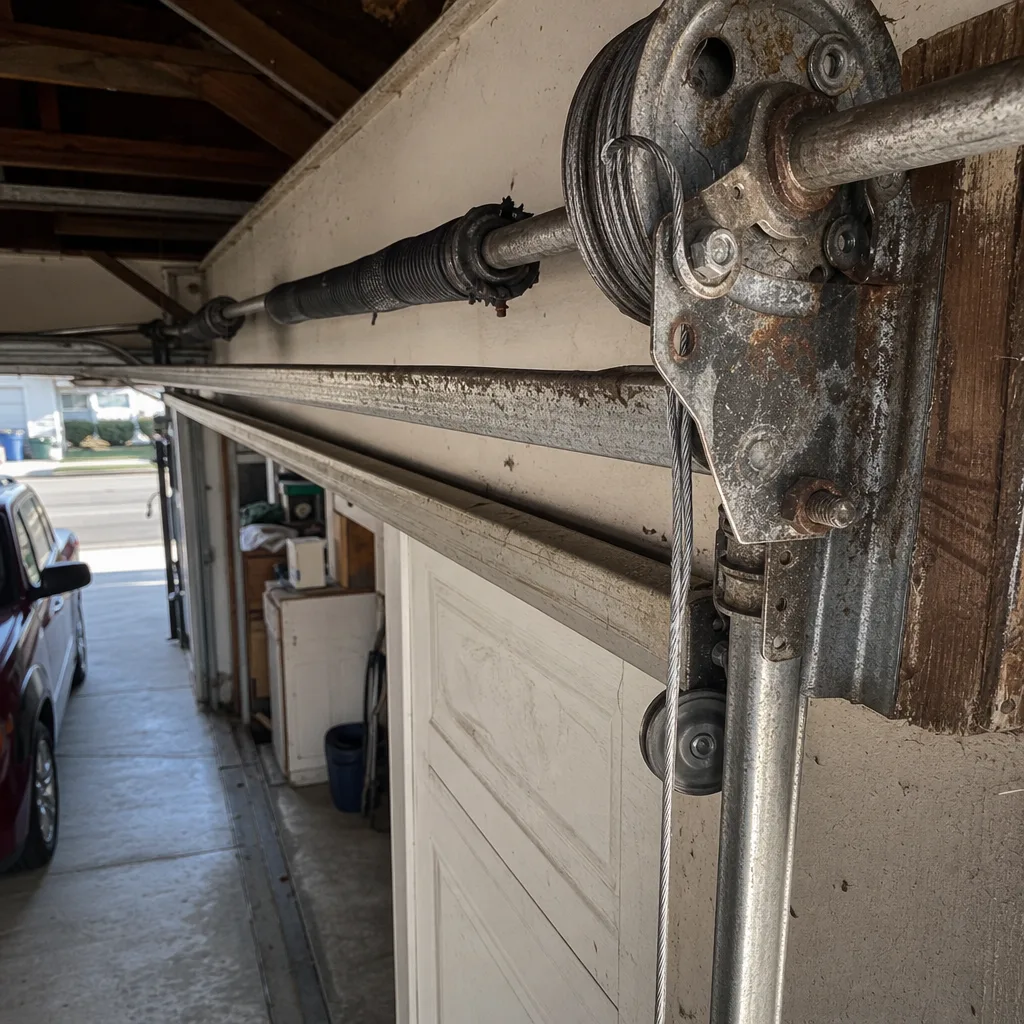 Before
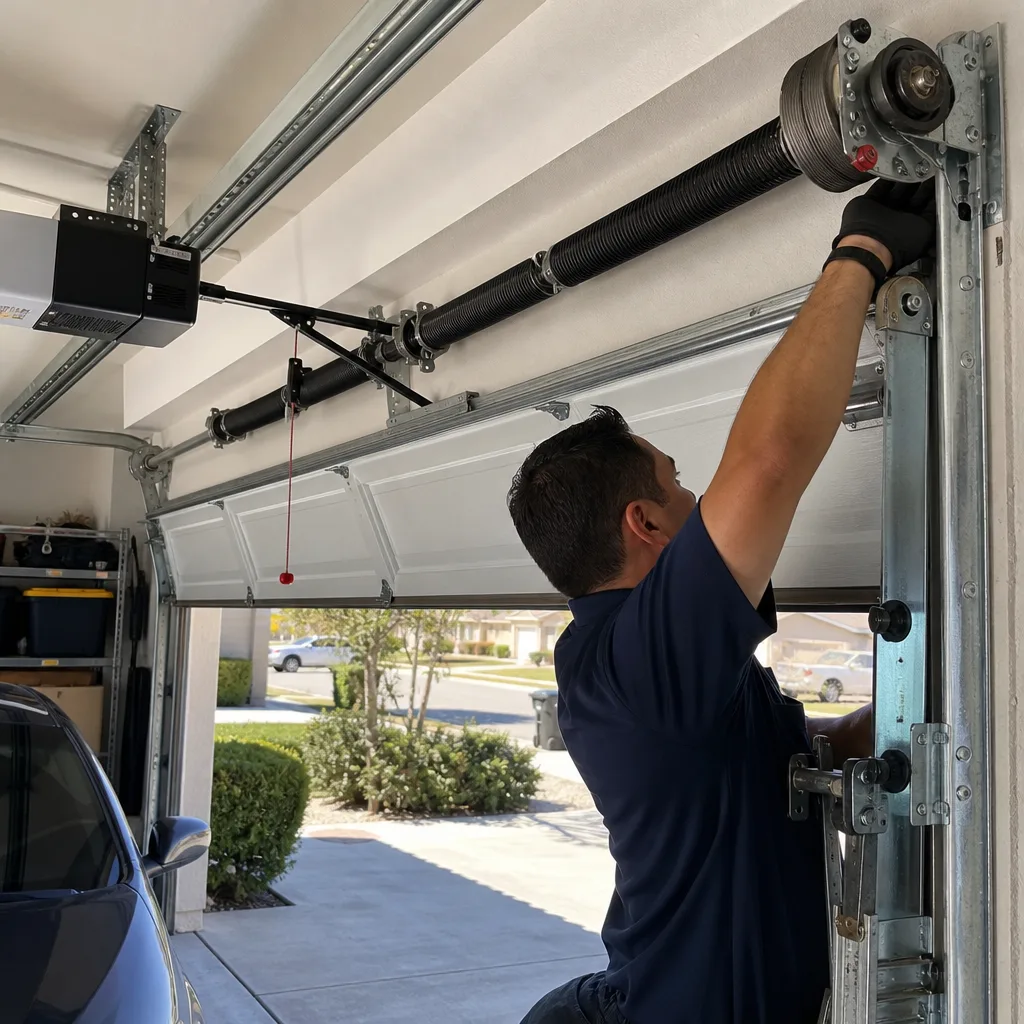 After
 Before
 After
 Before
 After